Africa-focused fintech M-KOPA reported a 45% surge in revenue to USD 600 M for its 2025 financial year, a milestone that underscores how the Kenya-based company’s decisive shift from solar financing to smartphone and electric vehicle asset financing has reshaped its business and its balance sheet.
The company, which marked its 15th anniversary this month, said it added three million customers in the past year, bringing its total to 10 million across Kenya, Nigeria, Ghana, Uganda and South Africa.
The growth was driven less by its original solar home systems and more by credit-financed smartphones, a category M-KOPA entered only in 2020. Since that pivot, revenue has compounded at an annual rate of 50%, transforming what was once an impact-driven energy company into one of Africa’s largest consumer-financing platforms.
The shift reflects a hard economic reality across its markets. The vast majority of everyday earners lack formal salaries or credit histories, yet demand for smartphones and income-generating electric vehicles has outstripped the addressable market for financed solar panels.
“We maintained profitability while reinvesting as much as possible in our products, technology and distribution to scale our reach across Africa’s massive, underserved market of everyday earners,” Chief Financial Officer Faraimose Kutadzaushe said in a statement.
That reinvestment is now visible in two areas. First, the company says its Nairobi assembly plant is the largest smartphone factory in Africa by volume, producing over two million devices since its opening in 2023 and employing more than 400 workers.
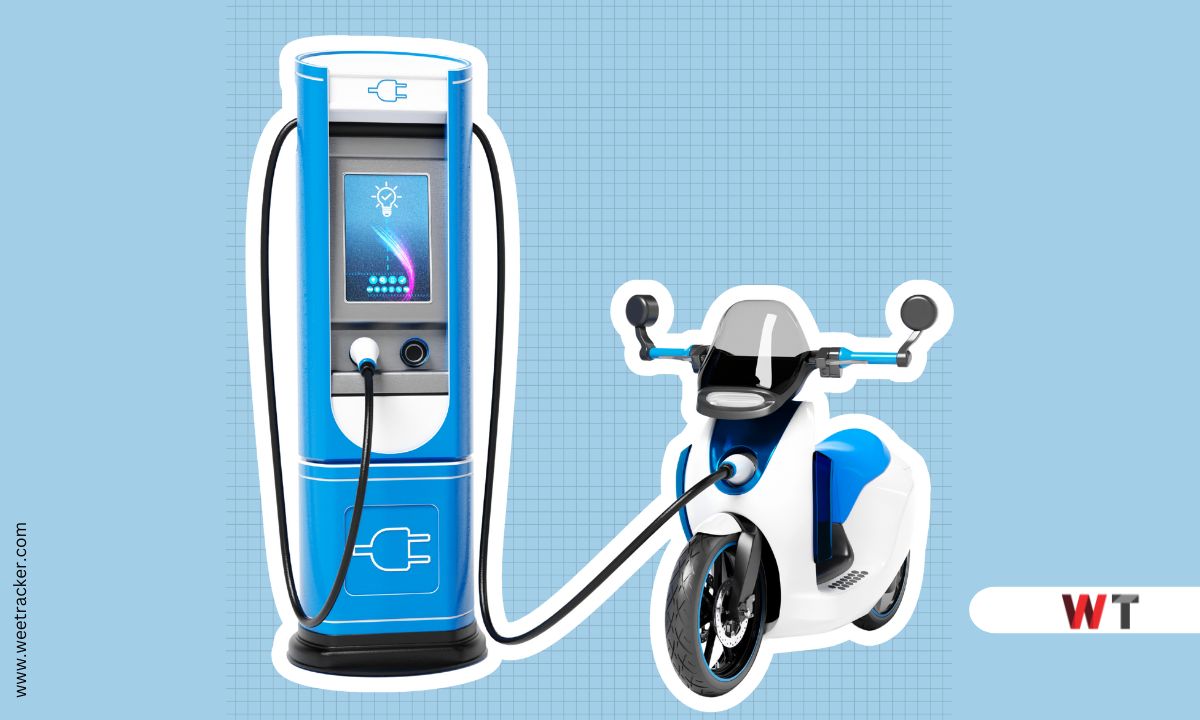
On the other hand, the company has financed more than 10,000 electric motorcycles and three-wheelers in Kenya, with rider data showing average daily savings of KES 530.00 (USD 4.10) from lower energy and maintenance costs. M-KOPA is now expanding that pay-as-you-go model to electric tuk-tuks, targeting a broader segment of Kenya’s commercial transport sector.
M-KOPA says it onboards approximately 10,000 new customers per day and processes micropayments at a rate of 23 times per second, showing operational heft underpinning its expansion. It employs over 2,500 full-time staff and supports nearly 50,000 sales agents, making it one of the largest private distribution networks in African consumer finance.
Yet the USD 600 M revenue figure masks a strategic vulnerability that management has moved to address. M-KOPA’s entire financing model depends on its ability to remotely lock financed smartphones when customers fall behind on repayments.
In March 2026, the company acquired Finnish software firm KilpiTek for approximately USD 8 M, bringing that device-locking capability in-house rather than relying on a third-party provider. The transaction included about USD 2.67 M in cash and the remainder in M-KOPA shares and deferred consideration, according to its financial disclosures.
“The transaction is intended to strengthen the group’s control over a critical component of its technology stack and support ongoing product and sourcing strategy,” the company said in its disclosure.
The broader question for investors is whether M-KOPA’s smartphone-led model can sustain its growth rate as it expands across five markets with varying regulatory and currency environments. The company has been recognised on the Financial Times Fastest Growing Companies in Africa list for five consecutive years, but its customer base remains heavily concentrated in East Africa, and its newest markets in Nigeria and Ghana present different competitive and macroeconomic challenges.
For now, the numbers point to a company that has found a more durable product axis than the one it was founded on. While solar gave M-KOPA its first decade and its patient-capital base, smartphones and electric mobility appear to be giving it its next one.