M-PESA App Blocked In Ethiopia, Intensifying Dispute Over “Unfair Competition”

By Staff Reporter  |  December 8, 2025

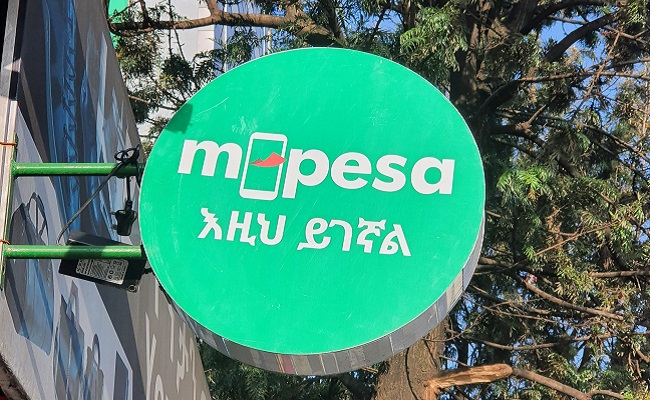
A public statement from M-PESA Ethiopia on December 5th claimed that Ethio Telecom, the state-owned incumbent, was preventing its customers from accessing the newly launched app, sparking the latest clash in a market where regulators warn the playing field is not level.

Days after launching a new mobile money application designed to work across any network, M-PESA Ethiopia has publicly accused the state-owned incumbent, Ethio Telecom, of blocking customer access to the service. The allegation marks a new flashpoint in a bitter market battle and directly echoes warnings from a recent World Bank report about anti-competitive structural advantages enjoyed by the dominant operator.

The incident raises urgent questions about the reality of Ethiopia’s telecom liberalisation, a flagship reform under Prime Minister Abiy Ahmed, and the future of foreign investment in one of Africa’s last untapped markets.

M-PESA Ethiopia, the financial services arm of Safaricom Ethiopia, launched “M-PESA Lehulm” last week. The application was designed to be telco-agnostic, meaning it could operate on smartphones using any mobile network provider, a strategic move to break from reliance on Safaricom’s own infrastructure.

However, within days, the company issued a public statement alleging that customers relying on Ethio Telecom’s mobile data services were completely unable to log in, transact, or retrieve funds through the new app. M-PESA Ethiopia stated the service had received full approval from the National Bank of Ethiopia and the Information Network Security Administration (INSA) and called on regulators to intervene.

Ethio Telecom has not issued a public response to the allegation. This incident is not isolated; the World Bank’s October 2025 Ethiopia Telecom Market Assessment explicitly cited the “alleged blocking of access to Safaricom applications, including M-PESA” as a troubling practice that undermines competition and innovation.

***

The dispute over app access is symptomatic of deeper, systemic imbalances documented by international observers. The World Bank report concluded that while liberalisation has begun, the market is “liberalised in name, but not in practice”.

A notable point of contention is the unequal starting conditions. Safaricom Ethiopia consortium paid approximately USD 1 B for its operating license. In contrast, Ethio Telecom, which has operated for decades, was not subject to a similar fee, granting it a massive initial financial advantage.

The regulator has designated Ethio Telecom as holding Significant Market Power (SMP) in six key market segments, compared to just one for Safaricom. This dominance is entrenched in infrastructure: Ethio Telecom controls the national backbone fibre network, forcing Safaricom to lease capacity at a reported cost of USD 3 M per year while also building nearly 60% of its own sites.

The report details how Ethio Telecom prices voice calls below the regulated Mobile Termination Rate (MTR). This forces Safaricom to lose money on every call its customers make to Ethio Telecom’s network, as it must match the below-cost prices to remain competitive. The World Bank estimated this practice alone was costing Safaricom up to USD 1.6 M per month.

***

The competitive landscape has exacted a heavy financial toll on the newcomer, even as it drives broader market growth.

Safaricom Ethiopia’s operation remains deeply unprofitable, reporting a service revenue of KES 6.19 B (USD 47.9 M) for the six months to September 2025—more than double the previous year—but still recording a steep negative EBIT of KES 20.2 B. These losses are amplified by a severe currency depreciation, with the Ethiopian Birr falling 16.9% against the US dollar in the last half-year.

Despite this, Safaricom is gaining customer traction. Its active customer base in Ethiopia soared 83.7% to 11.15 million, while its M-PESA active users surged approximately 175% year-on-year to 3.4 million.

Telebirr’s integration into government services and its pre-installation on devices give it a formidable, state-backed edge. Meanwhile, M-PESA is attempting to compete through innovation, such as its super-app hosting 28 mini-apps and its new Errif digital lending platform.

Observers note that the ongoing clash transcends a corporate rivalry as it serves as a litmus test for Ethiopia’s commitment to creating a transparent, competitive market for foreign direct investment.

The World Bank and other analysts warn that prolonged unfair practices and regulatory uncertainty will deter future investors. This concern appears validated; Ethiopia recently suspended the process for issuing a third telecom license after potential bidders sought improved conditions.

For Safaricom, the Ethiopia venture is a high-stakes strategic play for long-term growth, buffered by its exceptionally profitable home operations in Kenya, where half-year net income recently hit a record KES 42.8 B.

The company maintains a long-term view, planning to invest a further USD 1.5 B over three years in network expansion. But question marks remain about whether Ethiopian regulators will enforce the rules to ensure such capital continues to flow.

Feature Image Credits: Mobile World Live
SA Accommodation Booking Platform LekkeSlaap Acquired by Investec-Backed Consortium

By WT Data Labs  |  October 9, 2026

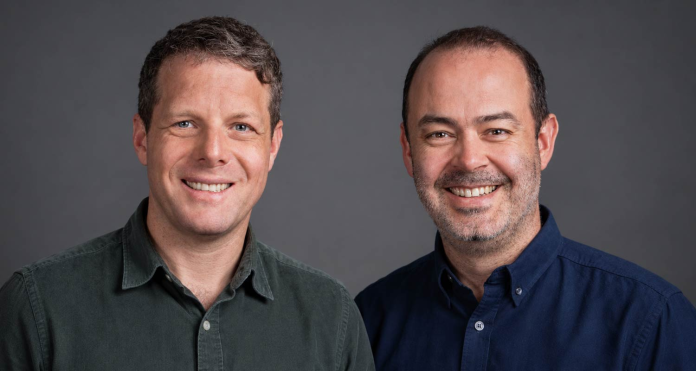
LekkeSlaap, a South African online accommodation booking platform, has been acquired by a consortium of local investors including Investec, Bellair Road Investment Partners and Janic Capital, alongside the Ferreira and Moolman family offices.

The deal, for an undisclosed sum, marks the exit of co-founders Jonathan Womersley and Marcel van de Ghinste after 17 years.

The founders launched TravelGround in 2009 with ZAR 12 K (approximately USD 1.6 K at the time) before introducing LekkeSlaap in 2013 as an Afrikaans-language accommodation booking platform. The business now lists more than 40,000 properties across Southern Africa and has facilitated bookings for over nine million guests.

CEO Frans Joubert and the existing executive team will continue to run the business. The new owners plan to invest in technology, localisation and regional expansion, as the platform competes with global players such as Airbnb.

Moove Quits Nigeria, Its Birthplace, As Global Ambitions Trump Difficult Home Market

By Staff Reporter  |  October 8, 2026

Moove, the mobility fintech founded in Lagos in 2020, announced on Thursday it will conclude operations in Nigeria, the market that incubated its business model and launched its global trajectory. The company will transfer vehicles worth approximately NGN 35 B (USD 22 M) to eligible Nigerian customers free of charge from October 1, 2026.

The exit comes just over a month after Uber Technologies ended its operations in Nigeria on September 2, a departure that rendered Moove’s core model in the country untenable. Moove built its Nigerian business by financing vehicles for Uber drivers, with repayments tied to daily earnings. When Uber left, that data pipeline collapsed, leaving drivers uncertain and Moove’s local unit without a platform partner to anchor loan recovery.

Moove, now headquartered in Dubai, reached a USD 2.1 B valuation in August after raising USD 250 M in a Series C round led by Abu Dhabi sovereign wealth fund Mubadala. Its annual recurring revenue climbed from roughly USD 275 M in 2024 to about USD 400 M in 2025, before hitting USD 420 M following acquisitions including Brazil’s Kovi and Tokyo Taxi in Japan. The company operates about 42,000 vehicles across 29 cities in 13 countries and employs roughly 3,300 people.

Yet the Nigerian market that produced this global platform became a drag. A currency mismatch defined the problem. Moove raised dollar-denominated debt to buy vehicles while drivers earned naira, a disparity that widened sharply after Nigeria’s 2023 fuel subsidy removal drove up pump prices and compressed driver margins. The company had already weathered a repayment crisis, repossessing vehicles from drivers who could not earn enough to meet obligations.

“While Nigeria remains deeply important to our story, the operating environment has become increasingly challenging,” Moove said in a statement announcing the exit, framing the vehicle transfer as a “thank you” to customers.

The company’s pivot toward autonomous mobility has reshaped its strategic centre of gravity. Through a partnership with Alphabet’s Waymo, Moove manages autonomous vehicle fleets in Phoenix and Miami, with London planned next. It is the largest global fleet partner for Uber and is positioning itself as a neutral infrastructure layer for robotaxi operations, a role that has attracted investment from Toyota’s growth fund Woven Capital.

Co-founder Ladi Delano, now based in Dubai, has spoken of building a business that solves problems his parents’ generation faced in Nigeria, but the company’s current growth is driven by markets far from Lagos.

Moove did not disclose a timeline for completing the wind-down or the number of employees affected. The company said eligible customers would take full ownership of their vehicles with no further payment required for the vehicles themselves from October 1. Remaining obligations, if any, were not specified.

The transfer of NGN 35 B in assets to drivers is an unusual exit gesture, one that may cushion the immediate blow for Moove’s Nigerian customers. But it does not change the broader signal that a company built to democratise vehicle ownership in Africa has concluded that ownership of its own future requires leaving Africa’s largest market behind.

M-KOPA Built Its Name On Solar—Now Smartphones & EVs Drive A USD 600 M Boom

By Henry Nzekwe  |  October 8, 2026

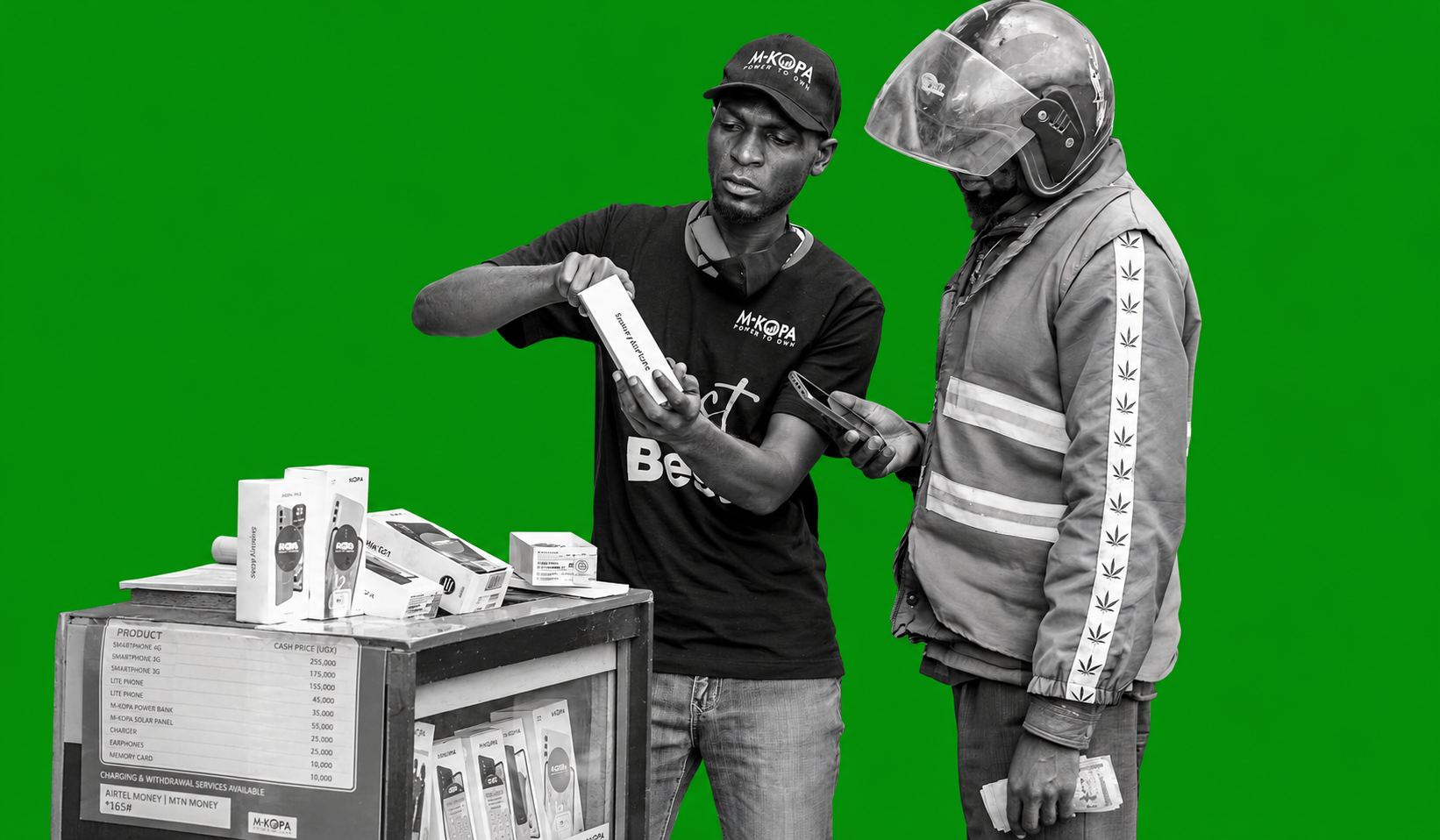
Africa-focused fintech M-KOPA reported a 45% surge in revenue to USD 600 M for its 2025 financial year, a milestone that underscores how the Kenya-based company’s decisive shift from solar financing to smartphone and electric vehicle asset financing has reshaped its business and its balance sheet.

The company, which marked its 15th anniversary this month, said it added three million customers in the past year, bringing its total to 10 million across Kenya, Nigeria, Ghana, Uganda and South Africa.

The growth was driven less by its original solar home systems and more by credit-financed smartphones, a category M-KOPA entered only in 2020. Since that pivot, revenue has compounded at an annual rate of 50%, transforming what was once an impact-driven energy company into one of Africa’s largest consumer-financing platforms.

The shift reflects a hard economic reality across its markets. The vast majority of everyday earners lack formal salaries or credit histories, yet demand for smartphones and income-generating electric vehicles has outstripped the addressable market for financed solar panels.

“We maintained profitability while reinvesting as much as possible in our products, technology and distribution to scale our reach across Africa’s massive, underserved market of everyday earners,” Chief Financial Officer Faraimose Kutadzaushe said in a statement.

That reinvestment is now visible in two areas. First, the company says its Nairobi assembly plant is the largest smartphone factory in Africa by volume, producing over two million devices since its opening in 2023 and employing more than 400 workers.

On the other hand, the company has financed more than 10,000 electric motorcycles and three-wheelers in Kenya, with rider data showing average daily savings of KES 530.00 (USD 4.10) from lower energy and maintenance costs. M-KOPA is now expanding that pay-as-you-go model to electric tuk-tuks, targeting a broader segment of Kenya’s commercial transport sector.

M-KOPA says it onboards approximately 10,000 new customers per day and processes micropayments at a rate of 23 times per second, showing operational heft underpinning its expansion. It employs over 2,500 full-time staff and supports nearly 50,000 sales agents, making it one of the largest private distribution networks in African consumer finance.

Yet the USD 600 M revenue figure masks a strategic vulnerability that management has moved to address. M-KOPA’s entire financing model depends on its ability to remotely lock financed smartphones when customers fall behind on repayments.

In March 2026, the company acquired Finnish software firm KilpiTek for approximately USD 8 M, bringing that device-locking capability in-house rather than relying on a third-party provider. The transaction included about USD 2.67 M in cash and the remainder in M-KOPA shares and deferred consideration, according to its financial disclosures.

“The transaction is intended to strengthen the group’s control over a critical component of its technology stack and support ongoing product and sourcing strategy,” the company said in its disclosure.

The broader question for investors is whether M-KOPA’s smartphone-led model can sustain its growth rate as it expands across five markets with varying regulatory and currency environments. The company has been recognised on the Financial Times Fastest Growing Companies in Africa list for five consecutive years, but its customer base remains heavily concentrated in East Africa, and its newest markets in Nigeria and Ghana present different competitive and macroeconomic challenges.

For now, the numbers point to a company that has found a more durable product axis than the one it was founded on. While solar gave M-KOPA its first decade and its patient-capital base, smartphones and electric mobility appear to be giving it its next one.

Africa’s Traditional Savings Groups Quietly Emerge As New Payments Battleground

By Henry Nzekwe  |  October 7, 2026

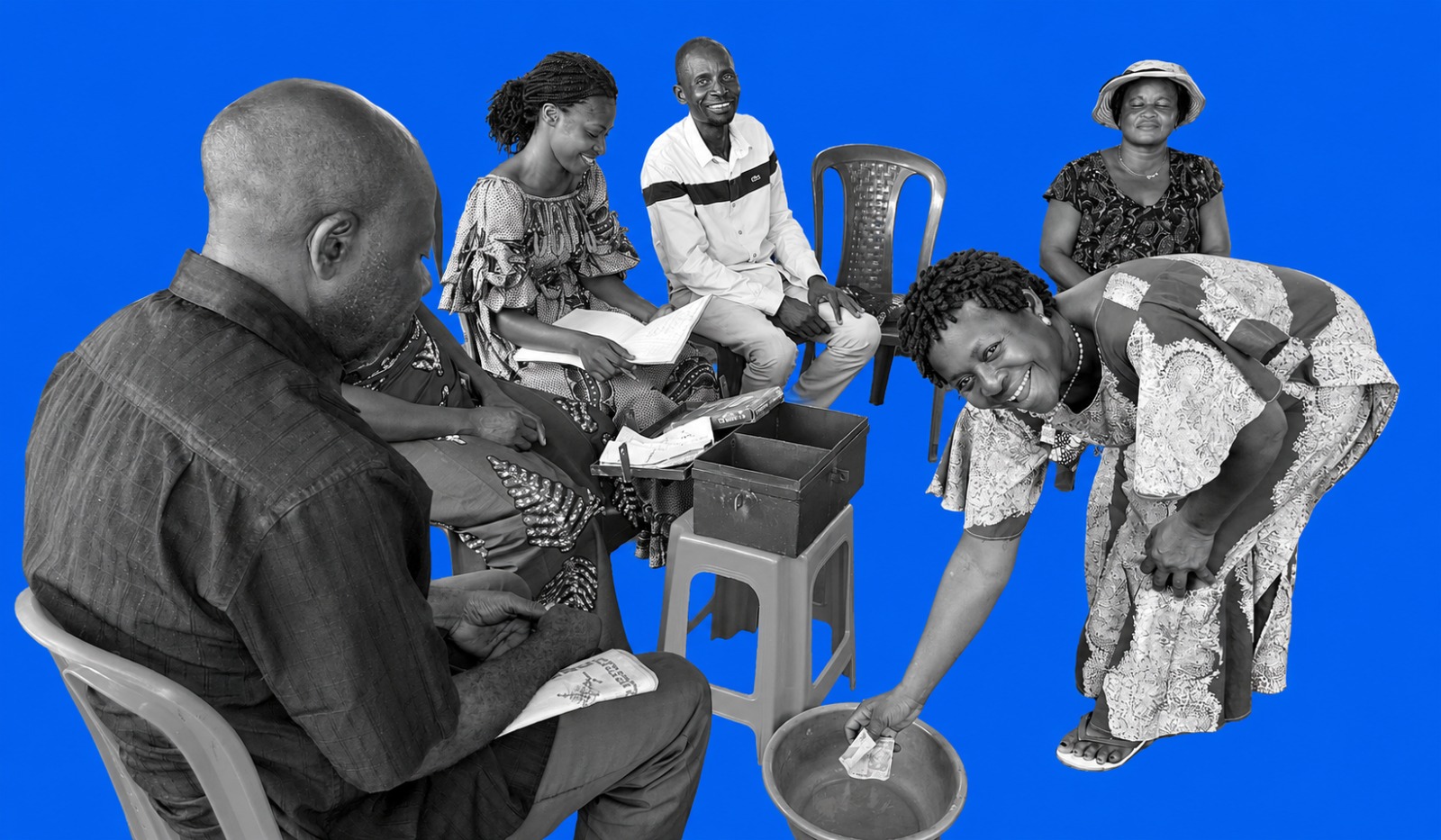
Across Africa, an old financial habit is becoming a new frontier for banks, fintechs, and mobile money providers. Community savings groups, long dismissed as the informal domain of cash-stuffed envelopes and handwritten ledgers, are being pulled into the digital economy at speed. The prize is not just the deposits they hold, but the transaction flows they generate.

The numbers explain the sudden interest. Kenya’s regulated savings and credit cooperative organisations held KES 1.21 T (USD 9.4 B) in assets in 2025, up 12.5% from a year earlier, according to the Sacco Societies Regulatory Authority. South Africa’s 800,000 stokvels manage about ZAR 50 B (USD 2.7 B) annually and count roughly 11 million members. Egypt’s MoneyFellows, which digitises the traditional gameya savings circle, says it has onboarded more than 8 million users.

These pools of money once sat largely outside the banking system. Now they are becoming the connective tissue for a payments market that banks cannot afford to ignore.

The competitive dynamic is most visible in Kenya. Commercial banks are racing to handle cheque clearing, ATM access, and real-time transfers for deposit-taking SACCOs, which are barred from direct access to the national payment infrastructure. Co-operative Bank of Kenya served 110 SACCOs with ATM connectivity in 2025, but Family Bank, KCB, and Equity Bank are expanding their footprints. Safaricom and payment provider Interswitch have entered the Pesalink instant transfer market for SACCOs, a sign that the settlement landscape is widening beyond traditional lenders.

SASRA reported that the number of SACCOs offering digital financial products rose to 267 in 2025 from 236 a year earlier. But the same report warned of cyber risks, and 107 regulated SACCOs still had no USSD connectivity at all. The digitisation race is real, but it is uneven.

***

In South Africa, the battleground is account opening. First National Bank completed the full digitisation of its stokvel accounts in early 2026, removing a long-standing requirement for three signatories to visit a branch together.

“We’ve completed the digital stokvel account journey and now everything, from account opening through to transactions and payouts, can now be done digitally,” said Himal Parbhoo, FNB’s CEO of cash investments. Standard Bank, Nedbank, and Absa offer stokvel accounts, but none have matched FNB’s end-to-end remote onboarding.

The broader significance lies in what happens to the money once it is inside a bank. Stokvel balances are stable and predictable, building through the year before seasonal payouts. For lenders, they are a low-cost source of funding. For members, formal accounts offer security. The trade-off is that community savings are being slowly absorbed into the same institutional structures they were designed to bypass.

Egypt offers a different model. MoneyFellows, which raised USD 13 M in 2025, has built a profitable business by digitising the gameya without requiring users to join pre-formed social circles.

“We’ve managed to crack this model and achieve profitability,” said founder and CEO Ahmed Wadi. “What makes this even more transformative is that we’ve facilitated billions in loans without using working capital.” The platform’s ability to generate credit scores from savings behaviour has turned a cultural tradition into a data asset.

Nigeria is also in the picture as new vigour seeps in after some previous stop-start endeavours. Rank, a fintech formerly known as Moni, launched Money Circles in 2026, a digital version of ajo and esusu rotating savings schemes. The company says it has paid out more than USD 100 M to users in the past year.

“For generations, Africans have relied on communal financial structures to build wealth,” said CEO Femi Iromini. “We are bringing these trusted traditions into the modern age by layering cutting-edge technology.”

The race is not without friction. Digitising savings groups requires trust, and trust is not easily coded. Many groups still prefer cash because it is visible. Others worry that formal accounts will expose them to fees or taxes. Regulators, meanwhile, are caught between encouraging financial inclusion and managing new risks.

What is clear is that the infrastructure behind community savings is becoming a market in its own right. Banks want the deposit base, fintechs want the transaction data, and mobile money providers want the payment rails. The savings groups themselves want convenience and security. Whether those interests align or collide will shape how hundreds of millions of Africans save, borrow, and build wealth in the years ahead.

Feature Image Credits: WVI

Cash-Back At Supermarket Tills Surge As South Africans Ditch ATMs Over Fees

By Staff Reporter  |  October 7, 2026

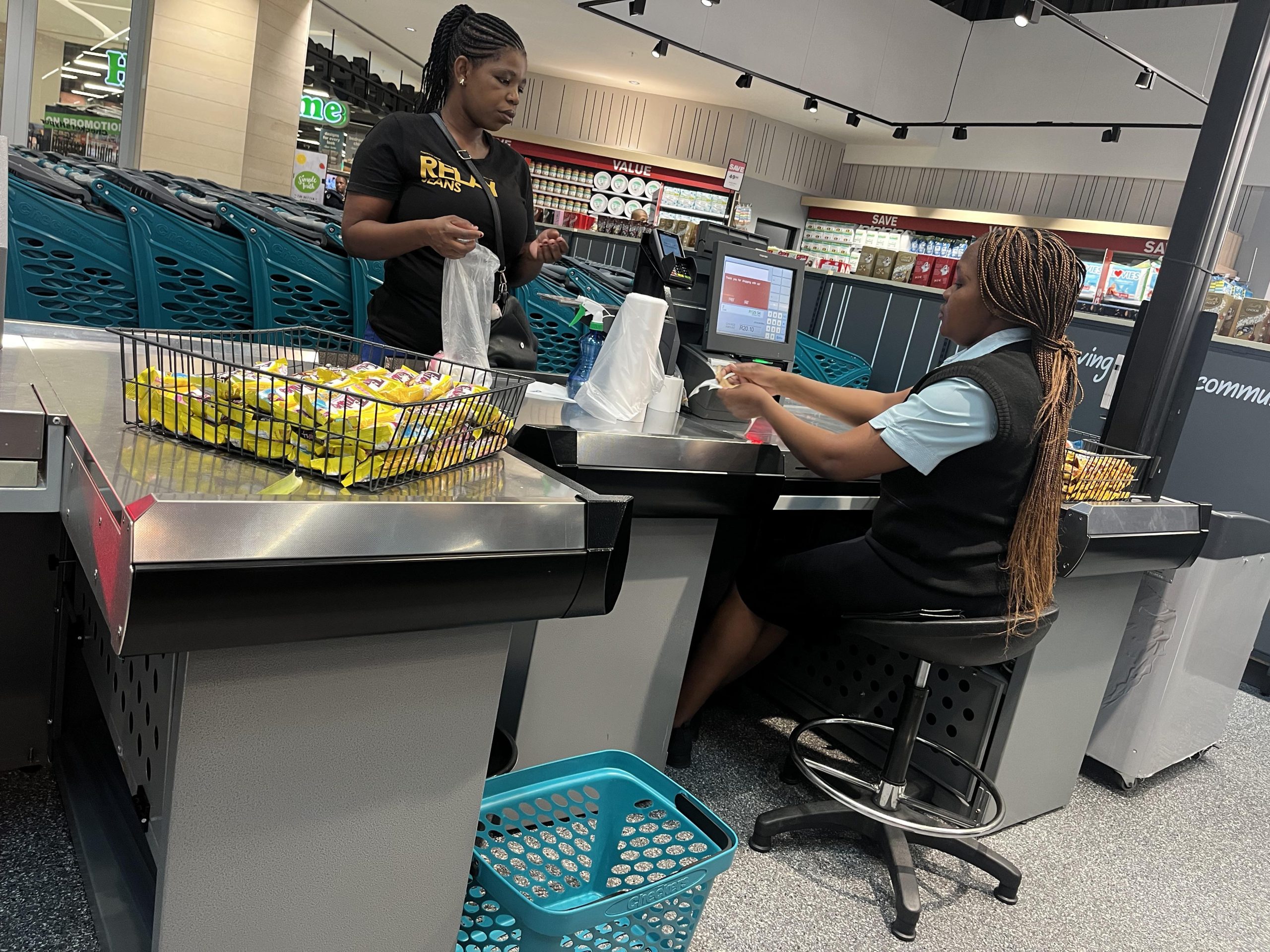
South Africans are abandoning automated teller machines (ATMs) for an unlikely alternative. They are withdrawing cash at supermarket checkouts, and the shift is forcing a rethink of how the country’s cash system works.

Data from the South African Reserve Bank’s Cost of Cash Industry Report 2026 shows retail tills now process about ZAR 326 B (USD 19.5 B) in cash-back withdrawals annually across 663 million transactions, with an average withdrawal of ZAR 492.00 (USD 25.25). The SARB describes point-of-sale cash-back as the most cost-efficient channel in the country, costing about 12 cents per ZAR 100.00 (USD 6.01) handled compared with 68 cents at ATMs and ZAR 1.53 at bank branches.

South Africans pay about ZAR 17.7 B (USD 1.06 B) a year in cash withdrawal fees, with ATM withdrawals typically costing between ZAR 10.00 (USD 0.60) and ZAR 20.00 (USD 1.20), while tillpoint withdrawals range from ZAR 1.00 (USD 0.060) to ZAR 3.00 (USD 0.18). Consumers also spend an estimated ZAR 12.5 B (USD 751.4 M) on taxi fares and fuel to travel to ATMs and bank branches, and lose another ZAR 27.8 B (USD 1.6 B) in productivity from queuing and travel. For many households, the supermarket till is simply closer and cheaper.

The country operates about 30,634 ATMs, but three of the five largest banks have reduced their ATM footprints since 2023. Nedbank’s network has shrunk by 4.4% and Absa’s by 2.3%, while Capitec has expanded aggressively. The average ATM costs about ZAR 307.59 K (USD 18.4 K) a year to operate, a burden that gets passed to consumers.

Banks are actively steering customers toward retail tills. Standard Bank says cash-back at point-of-sale has surged more than 100% since 2019, and 11% of all its cash withdrawals now happen at retail checkouts.

“Emerging channels like cashback at point-of-sale and cash deposits at retailers are gaining traction as alternatives to ATMs and branches,” said Kabelo Makeke, Standard Bank’s head of personal and private banking in South Africa.

Retail tills solve a problem ATMs cannot. ATMs dispense high-value ZAR 100.00 and ZAR 200.00 notes and cannot issue coins, which creates friction for consumers who need smaller denominations for taxi fares and informal traders. SARB field research found shoppers deliberately buy low-cost items with large notes to obtain change in smaller denominations.

The shift has broader implications. Retailers can recycle cash from sales directly to customers, reducing their own banking and cash-in-transit costs. But it also raises questions about whether the retail sector is becoming an unofficial banking infrastructure without the regulatory framework that comes with it.

The SARB’s Cash Smart Strategy, outlined in a position paper earlier this year, proposes white-label ATMs operated by a national cash utility rather than individual banks, with the aim of lowering fees and expanding access to underserved areas. Deputy Governor Rashad Cassim said the central bank is aware that many businesses operate under current regulations and that engagement on the proposals is ongoing.

Nevertheless, the supermarket till remains the most practical option for millions of South Africans.

Viral Simulator Games On Browser Tabs Make A Splash In Nigeria’s Scale-Starved Gaming Scene

By Henry Nzekwe  |  October 6, 2026

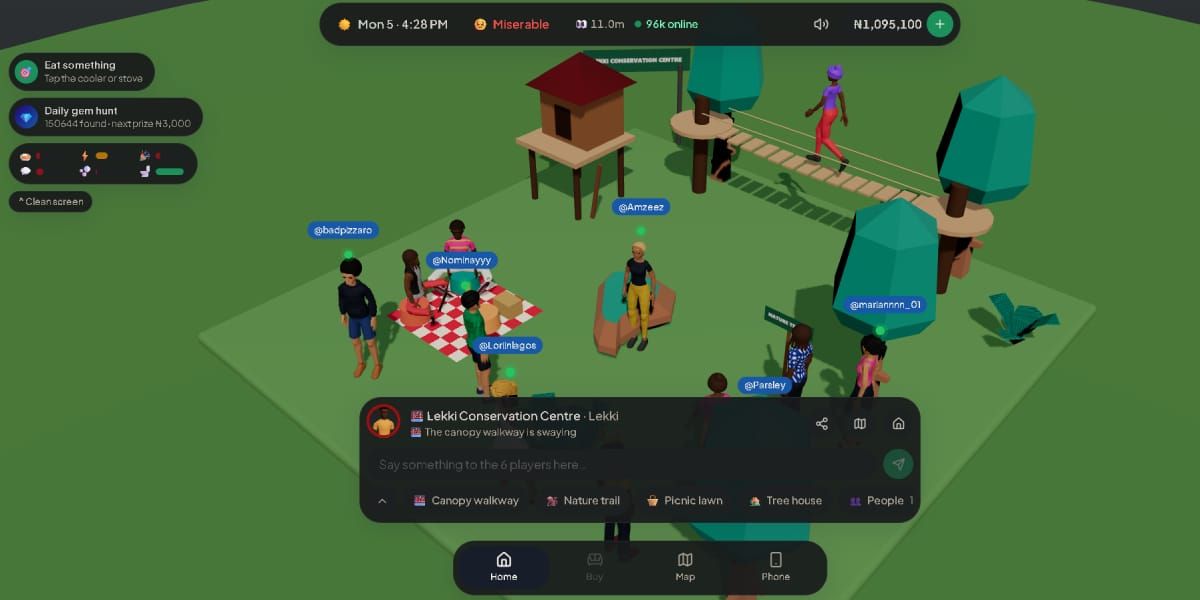
A browser game that lets Nigerians simulate life in Lagos, complete with traffic, power cuts, and the struggle to make rent, has drawn more than 2 million players in under a week, marking a breakout moment for a local gaming industry that has long struggled to turn cultural familiarity into scale.

Lagos Life, built by UK-based Nigerian developer Shalom Mathew, went live on October 1, Nigeria’s Independence Day. Within three days, it had crossed one million players.

By October 5, its public dashboard showed more than 2 million total players, over 145,000 concurrent users and 16.5 million all-time visits, having added two other major cities, Abuja and Port Harcourt, to the virtual world. The game generated USD 46.9 K in revenue in its first four days, according to figures Mathew shared on X, where she posts as @Shalom_HeyEliy.

The game is quite simple. Players create a character and are assigned a starting financial position: either “Nepo,” a reference to wealth and connections, or “Lapo,” a nod to the microfinance loans and financial hustle that define life for many young Nigerians. From there, they work jobs, manage energy, buy food, pay rent, and socialise in a shared online Lagos that includes landmarks like Amala Shitta and Quilox. The game runs in real time, so its virtual day follows the actual day.

Mathew has said the idea grew from her childhood spent playing The Sims 3. “I grew up playing The Sims 3 and always wondered what it would be like if the Sims lived in a world inspired by ours,” she wrote on X.

She credits another Nigerian browser game, Lagos Run, with providing motivation. Lagos Run, built by Berlin-based engineer Opeyemi Adeniran, puts players behind the wheel of a danfo, the yellow minibuses synonymous with Lagos transport. Released in late September, it drew more than 20,000 players within days.

***

What separates Lagos Life from the wave of Nigerian games that have come before it is not the cultural references is the distribution model. The game requires no download, no app store listing and no console. A phone or computer with a browser is enough. That matters in a market where the cost of data, device storage and gaming hardware has historically kept participation low.

About 87% of African gamers play on smartphones, and mobile titles account for nearly 90% of the continent’s gaming revenue, but credit card penetration in Nigeria sits at around 3.5%, making paid downloads and in-app purchases difficult. A free browser game sidesteps all of that as the link is effectively the product.

The speed of adoption reflects how little it takes to reach Nigerian players when the barrier to entry is removed. Google Trends data shows Nigerian search interest in “Lagos life” broke out by more than 5,000% in the week after launch, peaking at about 10 p.m. on October 4.

Interest was strongest in Ekiti, Ogun, Osun and Lagos, but the game’s reach extended well beyond the southwest. Nigeria now has over 46 million active gamers, more than South Africa’s 26 million, and its gaming market is growing at roughly 12% annually, well above the global average.

***

The commercial model is equally notable. Unlike most viral Nigerian games, Lagos Life has been generating revenue from day one, renting out virtual billboards to real advertisers. The game charges NGN 5 K (USD 3.77) per week for one of 38 roadside billboards and NGN 18 K (USD 13.56) for a larger lagoon plot. It also offers artists the chance to have their music played in virtual clubs for NGN 50 K (USD 37.74).

That revenue is important as running a free game with tens of thousands of concurrent users is expensive. Moreover, Lagos Life suffered a brief outage on October 2, for which Mathew compensated every player with NGN 100 K (USD 75.48) in virtual cash, a sum that exists only inside the game.

The explosive growth has also exposed the fragility of a game built quickly and scaled overnight. An exploit allowed some players to generate vast sums of virtual money, flooding the in-game economy with hacked naira. Mathew reset the fraudulent balances, restored legitimate ones and said she was adding features such as income tax to prevent a recurrence. Players mostly joked about the intrusion of real-world financial burdens into their virtual escape.

The game’s success has already spawned imitators. A London Red Bus game appeared within days of Lagos Run, swapping the danfo for a double-decker. A Port Harcourt life simulation followed Lagos Life.

Whether Lagos Life retains its audience beyond the initial curiosity is uncertain. A visit of a few minutes counts toward the total, and viral browser games often lose players once the novelty fades. But the early numbers suggest that the barrier for Nigerian games was access, not demand.

It does seem that when a game is a link, not a download, and when its world looks like the one outside the window, the audience is already there.

West Africa’s Mobile Money Giants Lose Cash Cow To Strict Fee Cap They Can’t Fight

By Staff Reporter  |  October 5, 2026

Banks, fintechs and mobile money operators across West Africa will be forced to route all interoperable electronic money transfers through a single central bank platform from November 2, and they will be allowed to charge no more than 0.8% for transfers above a daily threshold of CFA francs 8 K (~USD 13.70).

The rules, published by the Central Bank of West African States (BCEAO) on October 2, mark the most aggressive intervention yet in a mobile money market that processed USD 498 B in transactions across West Africa in 2025, according to GSMA data. They represent a direct challenge to the business models of dominant operators such as Orange Money and Wave, which built their franchises on closed networks and transfer fees of around 1% or more.

The BCEAO, which oversees monetary policy for the eight-nation West African Economic and Monetary Union (WAEMU), had initially launched the platform, known as PI-SPI, on September 30, 2025, with free person-to-person transfers as its flagship selling point. One year later, that promise has been revised. Transfers of CFA francs 8 K or less, cumulated per day per user per participant, remain free. Above that, providers may charge up to 0.8% before tax. Receiving money is free without limit.

The central bank says the threshold keeps about 75% of electronic money transactions in the union free of charge. The cumulative nature of the cap is significant. Users cannot split a CFA franc 20 K transfer into three smaller ones to avoid fees. The daily total is tracked across all operations with the same institution.

“The logic of the reform is to protect small users while allowing providers to sustain the infrastructure,” said Tossouve Renaude Martinie, a payments specialist working across banking and mobile money in the region. “PI-SPI is not just a means of moving money. It is a public rail that the private sector must now build on.”

The pricing shift is accompanied by a regulatory mandate. From November 2, all interoperable electronic money transactions within WAEMU must transit through PI-SPI. Cross-border transfers within the union will follow the same pricing rules from June 1, 2027. The platform currently connects 175 institutions and reaches more than 38 million people, according to the BCEAO.

Wave, one of the region’s largest mobile money operators with more than 23 million monthly active users, joined PI-SPI on the September 30 regulatory deadline after a year of absence. The company built its success on a flat 1% transfer fee, and its delayed participation underscored the tension between its low-cost model and a free interoperability rail that could cannibalise its revenue.

Industry analysts expect operators to shift their monetisation strategies toward merchant payments, QR code services and business payment APIs. Ecobank, Standard Chartered, Orange, MTN and TouchPoint have already positioned themselves on the 24 certified business APIs that PI-SPI now offers.

“The real challenge is not connection. It is turning this infrastructure into daily usage,” said Aïssatou Ami Touré, managing director of TouchPoint Financial Services Senegal.

The rules leave several operational questions unanswered, including how providers must calculate fees on the transaction that takes a customer above the daily threshold.

The BCEAO has not specified whether the fee applies to the entire amount or only the portion exceeding CFA francs 8 K. For now, the central bank has drawn a clear line.

Foren Emerges From Leatherback’s Ghost After Crisis & Zedcrest Takeover

By Staff Reporter  |  October 5, 2026

Leatherback, the Nigerian-born, UK-headquartered cross-border payments company rocked by a string of upheavals of late, is now Foren. The name change, announced today, comes two months after Nigerian financial services group, Zedcrest, completed a full acquisition of the startup it first backed in a USD 10 M pre-seed in 2022. It marks the final erasure of a brand that spent two years fighting for its survival.

In November 2023, Nigerian authorities alleged that a shipping company, SDQ Facilitators, had used a Leatherback account to defraud victims of about USD 10 M. The EFCC declared co-founder and CEO Ibrahim Ibitade wanted, and Leatherback’s Nigerian bank accounts were blocked.

The company sued; Ibitade filed a human rights suit, and in February 2025, a Federal High Court in Lagos ordered the permanent forfeiture of over USD 800 K traced to SDQ’s dollar wallet on the Leatherback platform. Ibitade was cleared of wrongdoing, but the reputational damage was done.

He stepped down in October 2024, citing a desire to start a family and “multiple misalignments of goals and visions” with lead investor Zedcrest. By February 2025, he had launched Prune Payments, a direct competitor to the company he founded. Interim CEO Toni Campbell exited in June 2025. Former Cellulant executive Ochebhoya Ekpete took over in August 2025 and immediately pivoted the company from consumer remittances to enterprise infrastructure.

The rebrand is being framed as an evolution. Ekpete says the company spent two years “rebuilding everything a customer relies on but rarely sees” and that “by the time that work was done, we were a different company, and Leatherback no longer described us”.

While Leatherback was not found guilty of anything and the founder was cleared, it appears the company has figured it’s better off moving on from its previous identity, as the association with a fraud investigation can often prove too toxic to shake.

Foren now positions itself as a unified platform for global accounts, cross-border payouts, foreign exchange, and treasury management, targeting businesses rather than individuals.

Zedcrest’s backing gives it the capital and institutional cover to pursue regulatory licences and banking partnerships that a scandal-tainted startup could never secure alone. The company plans hubs in Canada and Kenya to complement its London headquarters and new West African base in Nigeria.

The USD 8 M Bet That Africa Can Win The Space Data Centre Race Without Launching A Single Satellite

By Staff Reporter  |  October 2, 2026

Rama Afullo pitched orbital data centres inside Google and SpaceX. Both said no. So he raised USD 8 M to build what they wouldn’t.

Satlyt, his Sunnyvale and Nairobi-based startup, closed a seed round this week led by Houston’s Non Sibi Ventures, with participation from TLCOM, Antler, Launch Africa Ventures, and others. The company’s software launched Thursday on a SpaceX rocket, riding alongside Google’s first Project Suncatcher prototype.

Most satellites already carry unused computing power. Satlyt’s software turns that idle hardware into a distributed AI network. Instead of building new spacecraft, the company makes existing ones smarter. Afullo compares it to VMware or Snowflake, a software layer that abstracts away the infrastructure. “If SpaceX is the iPhone, we’ll build Android,” he told TechCrunch.

This matters because the orbital data centre race is heating up. SpaceX has pitched investors on up to 1 million AI satellites that could generate trillions in revenue. Google is testing its own hardware. But building data centres in orbit remains brutally expensive.

A 1-gigawatt orbital facility would cost roughly USD 170 B, more than three times a comparable ground-based facility. Space compute currently runs at about four times terrestrial costs. Bain & Company estimates orbital data centres won’t reach commercial scale until the early 2030s and will capture only a modest share of global compute by 2040.

Satlyt sidesteps that capital trap. By focusing on software for satellites already in orbit, the company avoids launch costs, radiation hardening, and thermal management challenges that plague hardware-first approaches. Its earlier deployment of Google’s Gemma model on a Momentus spacecraft cut data transmission sizes by more than 60%, a direct cost saving for operators paying for downlink bandwidth.

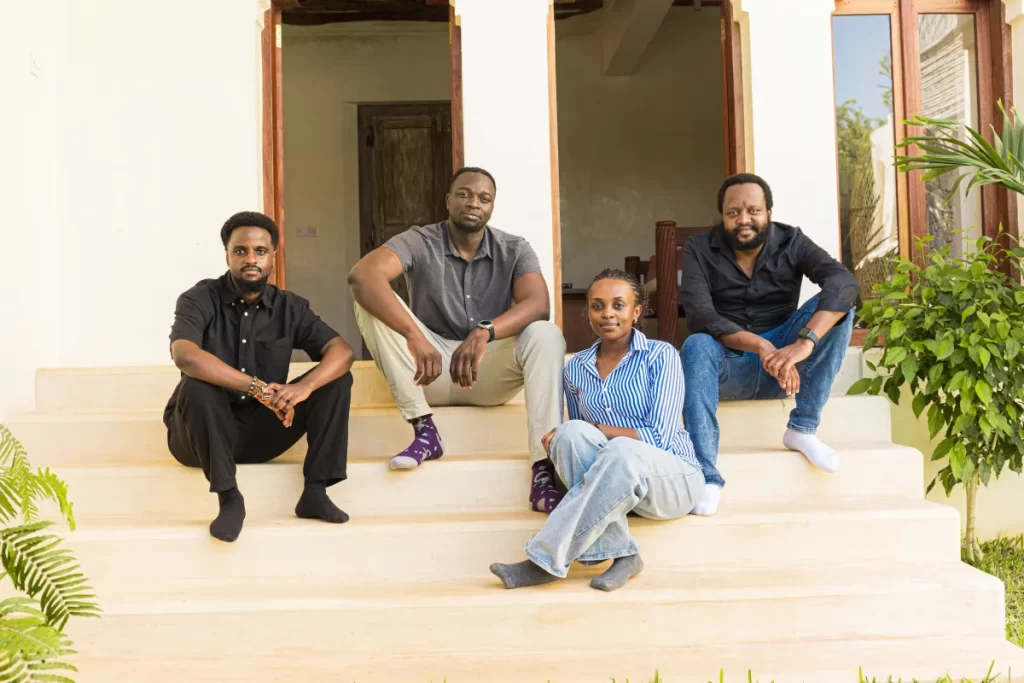
Satlyt team: Leina Moli (Senior Space Software Engineer), Rama Afullo (Founder & CEO), Junn Wangari (Senior Space Systems Engineer), and Nelson Psenjen (CTO)

Satlyt’s leadership team is entirely Kenyan-American, with engineering concentrated in Nairobi. The company has signed memoranda with the Kenya Space Agency and Angola’s GGPEN to deploy AI-driven Earth observation for agriculture, climate monitoring, and disaster response. For a continent that spends billions importing satellite data it cannot process locally, onboard AI offers a path to sovereignty over its own geospatial intelligence.

The risks are real. Satlyt has not yet demonstrated its most ambitious claim, a cloud network spanning multiple satellites. Besides, high-performance GPUs remain scarce in orbit, and the economics of orbital compute may never favour generalised workloads. But Satlyt says it’s going beyond compute to sell efficiency to operators who already own the hardware.

Afullo wants Satlyt’s software on 20% of satellites by 2030. That is an ambitious target. But if the satellite industry follows the trajectory of terrestrial cloud computing, winning will likely be less about building the biggest data centres and more about making the existing ones work harder.

For a continent largely absent from the first space race, that is a more plausible route to relevance than waiting for Starship to deliver a hyperscaler to low Earth orbit.

Electric Bikes Are Quietly Winning Africa’s Delivery Fleets One Battery Swap At A Time

By Henry Nzekwe  |  September 30, 2026

Africa’s delivery riders are making a cold, financial calculation. With petrol prices surging in South Africa and fuel costs consuming up to 40% of a rider’s income in markets like Nigeria, the economics of the internal combustion motorcycle are collapsing. Electric two-wheelers, once dismissed as costly experiments, are now courting the continent’s delivery fleets with a proposition that is less about saving the planet than saving the margin.

The simple pitch is that battery swapping eliminates the upfront cost of ownership and the downtime of charging. ARC Ride, a Kenyan electric motorcycle company, launched its Panther model in South Africa this month at ZAR 22.5 K with a battery-as-a-service model where a full swap costs ZAR 50.00 and delivers up to 110km of range. The company estimates that at the current inland petrol price, its electric bike costs about 30% less to run per 100km than a comparable 125cc petrol motorcycle.

Spiro, Africa’s largest battery-swapping operator, reports that its riders save an average of USD 3.00 per day on fuel and maintenance, while the company earns roughly USD 0.50 per battery swap. In Nigeria, a Spiro rider spends about NGN 125.00 to travel 100 kilometres on electric versus over 3,400 naira on petrol. The company has deployed more than 130,000 electric motorcycles across seven African countries and operates over 2,500 swap stations. “We don’t sell motorcycles; we sell kilometres,” says Spiro CEO Jules Samain.

The model is spreading through commercial partnerships rather than consumer sales. Jumia, Africa’s leading e-commerce platform, has partnered with Spiro in Uganda to electrify nearly half of its delivery fleet in Kampala.

“By introducing electric bikes into our fleet, we are demonstrating that e-commerce can be both convenient and climate-conscious,” says Steven Lamony, Jumia Uganda’s managing director. In Kenya, Roam Air electric motorcycles now power a fully electric cold-chain network with Keep It Cool, cutting fuel and maintenance costs by up to 75% compared to petrol bikes.

But the pivot is not without friction. ARC Ride had to correct launch material that claimed riders would earn “up to 20% more net earnings,” clarifying that the figure refers to a reduction in weekly operating costs, not income. Battery-swapping infrastructure remains concentrated in major cities, and the economics vary by rider. Someone covering 50 kilometres a day will save less than someone covering 150 kilometres.

The direction is evident, regardless. Afreximbank’s development arm has led a USD 75 M equity investment into Spiro, the largest-ever bet on an African electric motorcycle company. Spiro has also partnered with Chinese manufacturer Yadea to expand production and adapt vehicles to African road conditions. In South Africa, Valternative Energy has deployed over 1,000 electric delivery motorcycles and 100 swap stations in under two years, serving Uber Package and Famous Brands.

For fleet operators squeezed by fuel volatility and maintenance costs, the electric motorcycle is becoming more of a lifeline than a green mandate.