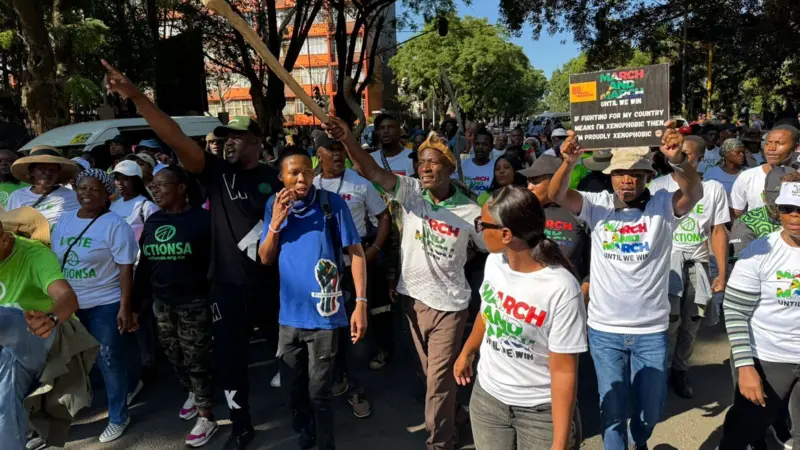
When a Nigerian senator called this week for the revocation of MTN and DStv licences over renewed attacks on Nigerians in South Africa, it was not the first time economic retaliation had been proposed. Since the end of apartheid, the rivalry between Africa’s two largest economies has been punctuated by waves of xenophobic violence in South Africa followed by reprisals on South African businesses in Nigeria.
The latest outbreak erupted between April 27 and 29 in Pretoria, Johannesburg and other cities, leaving two Nigerians, identified as Amaramiro Emmanuel and Ekpenyong Andre, confirmed dead, according to the Nigerian Consulate in Johannesburg.
More than 118 Nigerians have been killed in xenophobic incidents between 2015 and 2026, according to Nigerian officials. In response, the Nigerian government has summoned South Africa’s acting high commissioner and begun arranging voluntary repatriation, with 130 Nigerians already registered for evacuation flights.
Major attacks in 2008, 2011, 2015, 2017 and 2019 have left many Nigerians displaced, traumatised and forced to abandon their livelihoods. In 2008, at least 62 people were killed in South Africa in xenophobic violence that also targeted Zimbabweans, Mozambicans and Malawians. In 2015, the attacks came to a head, leading several countries to repatriate their nationals. In 2019, mobs looted shops and torched trucks in Johannesburg, killing at least 12 people.
Each wave has triggered a familiar diplomatic and economic backlash. After the 2019 attacks, Nigeria recalled its high commissioner and boycotted the World Economic Forum on Africa.
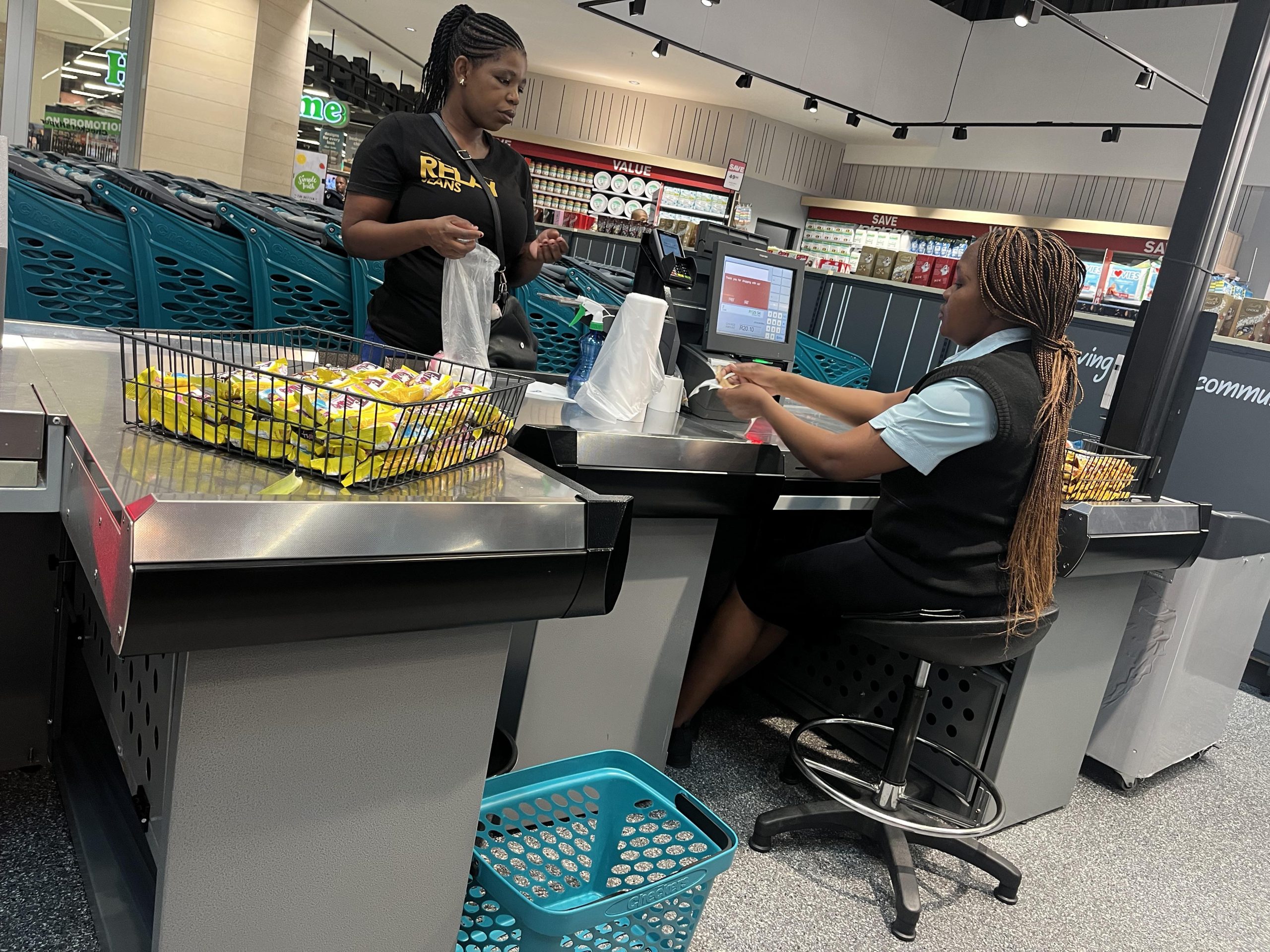
In Lagos and Abuja, mobs vandalised Shoprite outlets and MTN offices, forcing the telecoms giant to close all its stores in Nigeria. Nigeria’s information minister warned at the time that targeting South African companies was “akin to cutting off one‘s nose to spite the face” because the investors and employees in those firms were Nigerians.
***
The 2026 episode has raised the stakes. Senator Adams Oshiomhole proposed revoking the licences of MTN and MultiChoice, arguing that Nigeria should hit South Africa‘s economy where it hurts.
Oshiomhole, senator representing Edo North, made the proposal during a heated Senate plenary on Tuesday, invoking the principle of reciprocity in international relations. “I don’t want this Senate to be shedding tears to sympathise with those who have died. We didn‘t come here to share tears,” he said. “If you hit me, I’ll hit you. It’s an economic struggle.”
The senator proposed that MTN be nationalised and its licence withdrawn, arguing that the company repatriates substantial revenue while Nigerian citizens face hostility abroad. “This Senate should adopt a position that MTN, a South African company that is cutting away millions of dollars from Nigeria every day, should be nationalised,” Oshiomhole said.
Oshiomhole extended the call to MultiChoice Nigeria, urging the Federal Government to revoke DStv‘s licence. “By the time we withdraw MTN’s licence, revoke DStv licence, those workers from South Africa will have good jobs to do here,” he said. “When we balance this madness, there will be sanity.”
The senator linked the resurgence of violence to South Africa’s domestic political dynamics, noting that anti-immigrant rhetoric had increasingly shaped public attitudes toward foreigners, including Nigerians.
***
The Senate rejected the call, opting for diplomacy led by Senate President Godswill Akpabio. “We must not allow emotion to override diplomacy. Nigeria will act firmly, but responsibly. We cannot solve this crisis by escalating it into economic warfare,” Akpabio said, announcing that he would lead a fact-finding delegation to South Africa.
But the House of Representatives has urged the government to suspend business permits for South African firms, and a joint ad hoc committee will engage South African lawmakers.
Meanwhile, there are unconfirmed reports that Tanzania’s President Samia Suluhu has issued a 48-hour ultimatum for South African citizens to leave, while Botswana has threatened to restrict electricity supply across its border. Ghana has also summoned South Africa‘s acting high commissioner.
For South African companies with deep roots in Nigeria—MTN Nigeria generated service revenue of NGN 5.2 T (USD 3.82 B) in 2025, while MultiChoice remains dominant in Nigeria’s pay-TV market—the prospect of coordinated African retaliation represents a serious commercial threat.
Yet each crisis has also produced diplomatic mechanisms meant to prevent a repeat. After 2019, both countries established an early warning system and joint consular forums to protect citizens. The late President Muhammadu Buhari visited South Africa for a three-day state visit in October 2019 to discuss diplomatic and trade relations following xenophobic violence. Later, President Cyril Ramaphosa visited Nigeria in December 2021 for the 10th Session of the Nigeria-South Africa Bi-National Commission.
The latest violence suggests those mechanisms have failed to break a cycle that has now spanned nearly two decades.
Feature Image Credit: Thuthuka Zondi/BBC