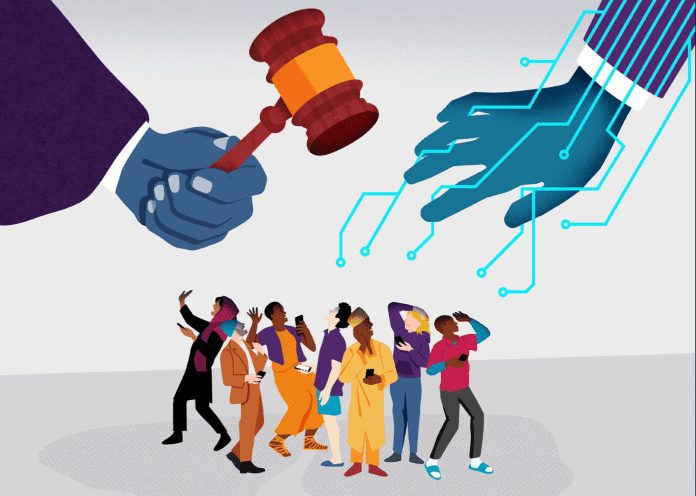
A wave of new proposed laws is moving through Nigeria’s legislative process, aiming to formally regulate the country’s fast-growing technology and green mobility sectors.
The flurry of activity covers artificial intelligence (AI), fintech, and electric vehicles. While the government’s intent to provide oversight and encourage local industry is clear, the proposals have sparked a complex mix of optimism and concern among industry experts who worry about potential complications.
A New Gatekeeper for AI
Nigeria is taking a major step toward regulating artificial intelligence with a new bill that would make registration and licensing compulsory for AI developers and users. The proposed law aims to create a National Artificial Intelligence Council to serve as the top regulatory authority.
This council would have the power to control, supervise, and approve all AI-related activities in the country. It would issue guidelines, set standards, and enforce compliance. A key part of the bill is a risk-based system where AI used in sensitive areas like healthcare or finance would face tighter rules.
The bill also addresses ethical concerns. It mandates that AI systems must be safe and fair. If an AI makes a decision that significantly affects someone, like in hiring or credit scoring, the person must be informed they are interacting with an AI. They should also have a way to contest that decision.
However, some are cautious. The broad definition of what constitutes an AI system could accidentally sweep many basic digital tools into a complex regulatory net. There are also fears that the registration process could become a bureaucratic hurdle, especially for startups with limited resources.
Fintech’s Potential New Overlord Causes Confusion
In the financial technology sector, a proposed bill seeks to create a National Fintech Regulatory Commission (NFRC). The idea is to have a single body overseeing all fintech activity, which proponents argue could simplify a currently fragmented landscape.
Dr Austin Okpagu, Country Director for cross-border payments fintech Verto, sees potential in the idea. He said a unified regulator could be highly beneficial if designed to consolidate existing oversight functions.
“My view is that the proposed National Fintech Regulatory Commission could be highly beneficial if designed as a single, harmonised authority consolidating existing oversight functions,” Dr Okpagu opines.
“If the commission simply adds another layer on top of these existing bodies without clear integration, it risks creating complexity and slowing market entry.”
He also pointed to a bigger opportunity. Such a commission could enable regulatory passporting, where a fintech licensed in Nigeria can operate seamlessly in other African markets.
But the proposal has faced pushback. A major point of contention is that Nigeria’s Central Bank (CBN) already performs most of the functions the new commission wants to take over. The CBN already licenses and supervises payment service providers and sets rules on consumer protection and fraud.
Critics say the bill, sponsored by Hon. Fuad Kayode Laguda, feels rushed. Tech analyst Olumuyiwa Olowogboyega pointed out that the bill reads like a copy-paste from telecommunications legislation, containing strange references to fintechs paying for spectrum, which is a concept for radio frequencies, not financial services.
One section states that no one can provide any type of fintech service without a license from the new commission, even if they already have a licence from the CBN. This has raised fears of regulatory duplication and a potential turf war that could confuse the sector rather than clarify it.
An Electric Vehicle Bill with Big Fines and Big Ambitions
Meanwhile, the Nigerian Senate is advancing the Electric Vehicle Transition and Green Mobility Bill. This proposed law is one of the most comprehensive of its kind in Africa, with a strong focus on building a local manufacturing industry.
The bill includes an ambitious local content rule. It requires foreign automakers to partner with Nigerian assemblers and ensure that by 2030, at least 30% of vehicle components are sourced locally. They must also set up assembly plants within three years of starting operations.
Sam Faleye, CEO of SAGLEV, Nigeria’s only large-scale electric vehicle assembler, strongly supports the bill. He called it “at least 30 years overdue,” explaining that Nigeria once had a thriving auto assembly industry that has since collapsed. “Every imported used car drains value from the economy instead of creating jobs here,” he said.
The most controversial part of the bill is a hefty fine of NGN 500 M per shipment for unlicensed importers. Some fear that such a large fine could discourage startups and stifle innovation before the industry matures. Others disagree, arguing that the fine is a necessary deterrent to push players to invest locally instead of cutting corners.
The bill also mandates that every fuel station in Nigeria install EV charging points. While a bold vision, experts question its feasibility given the country’s unreliable electricity grid.
A common concern across all three bills is the potential for regulatory overlap and bureaucratic complexity. The AI bill risks clashing with existing bodies like the National Information Technology Development Agency. The fintech bill directly overlaps with the Central Bank. The EV bill assigns oversight to multiple agencies, which could slow implementation.
The coming months will be critical as these bills are debated. While the government’s ambition to guide and nurture these key sectors is evident, there remain significant concerns over Nigeria stifling the very sectors it seeks to grow.
Feature Image Credits: Stockholm Centre for Freedom