Sabi, a Nigerian startup that began helping corner shops digitise their shelves, has vaulted to second place on the Financial Times ranking of Africa’s fastest-growing companies after a radical pivot into the traceable export of critical minerals.
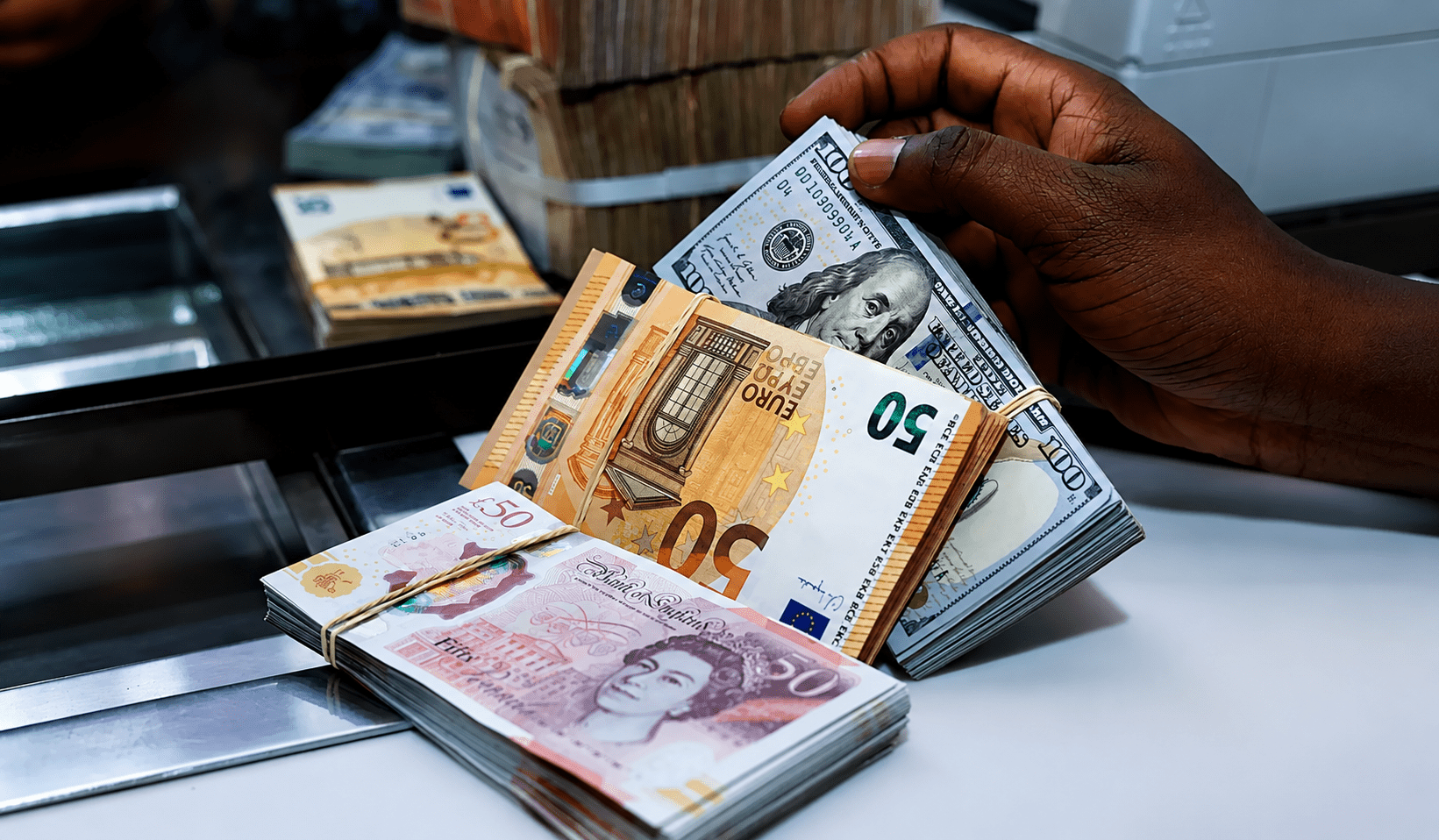
The Lagos-based company reported revenue of USD 46.5 M in 2024, up from USD 1.52 M in 2021, a compound annual growth rate of 212.56%, according to the FT ranking published on Tuesday. The jump makes Sabi Nigeria’s highest-ranked company on the list and the second fastest-growing in Africa behind Egyptian fintech Thndr.
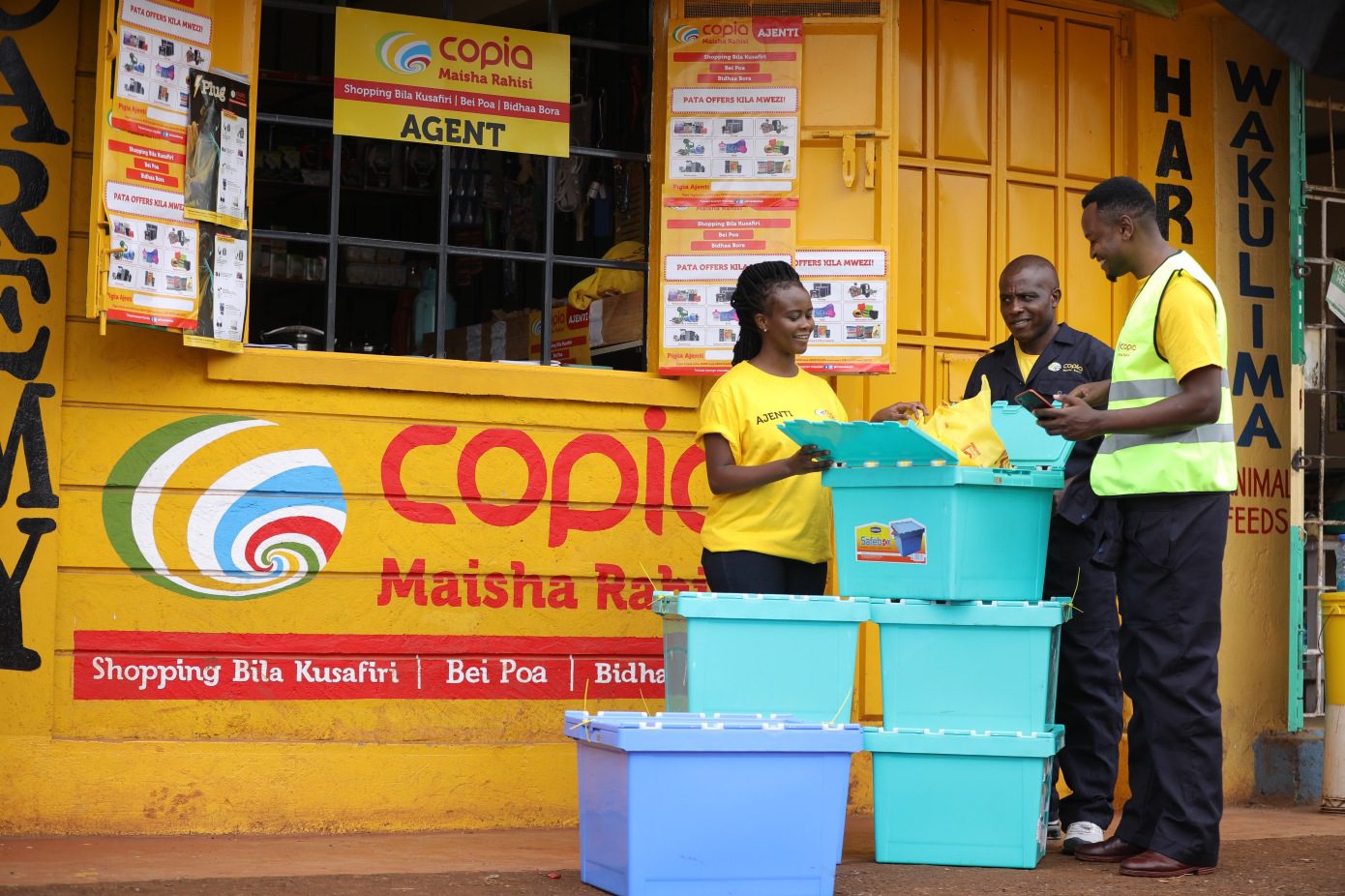
Sabi was launched in 2020 by CEO Anu Adedoyin Adasolum and Ademola Adesina as a B2B digital commerce platform for informal retail merchants, offering inventory management and logistics services. By mid-2023, the company had amassed over 300,000 merchants and USD 1 B in annualised gross merchandise value. Around the same time, it raised a USD 38 M Series B round at a USD 300 M valuation.
But like many B2B e-commerce players across Africa, Sabi faced thin margins and capital-intensive operations. In June 2025, the company laid off roughly 20% of its workforce, about 50 employees, to refocus on commodity exports.
The shift was driven by an unexpected source of demand. Small-scale mineral traders facing the same market-access hurdles as corner shop owners began asking to use Sabi’s platform to sell their products. The company’s existing traceability and compliance tools, built originally for agricultural trade, proved adaptable to minerals.
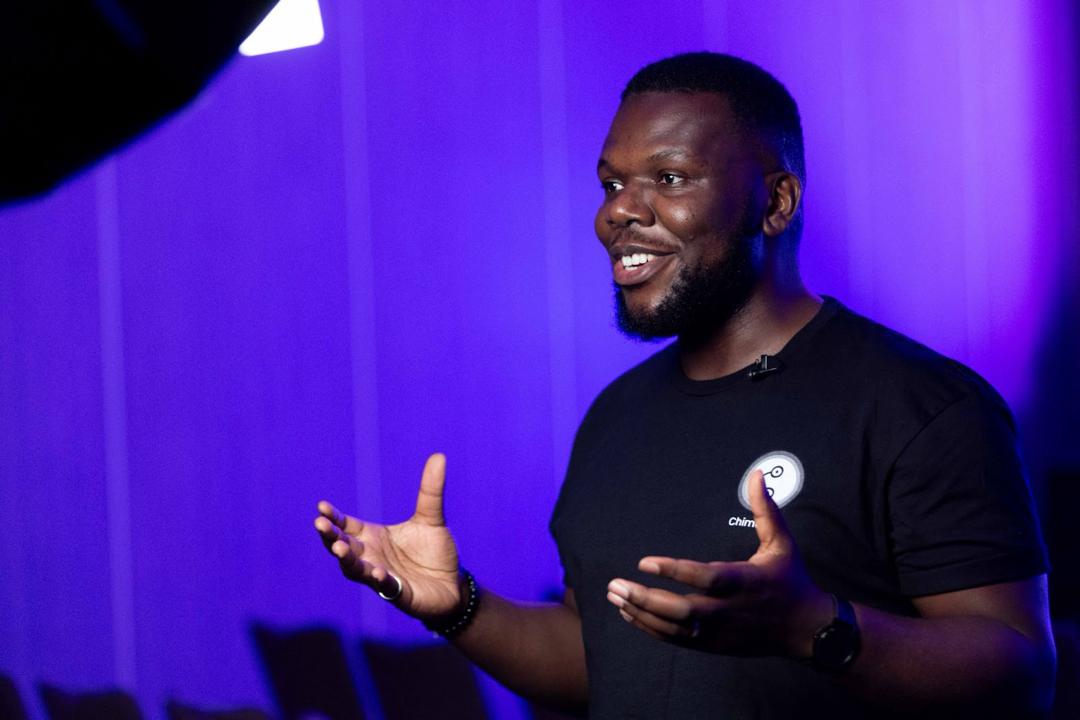
“We realised that minerals were where Africa could make the biggest difference globally,” Adasolum told TechCabal last year. “The world was changing geopolitically, and minerals were becoming central to that change”.
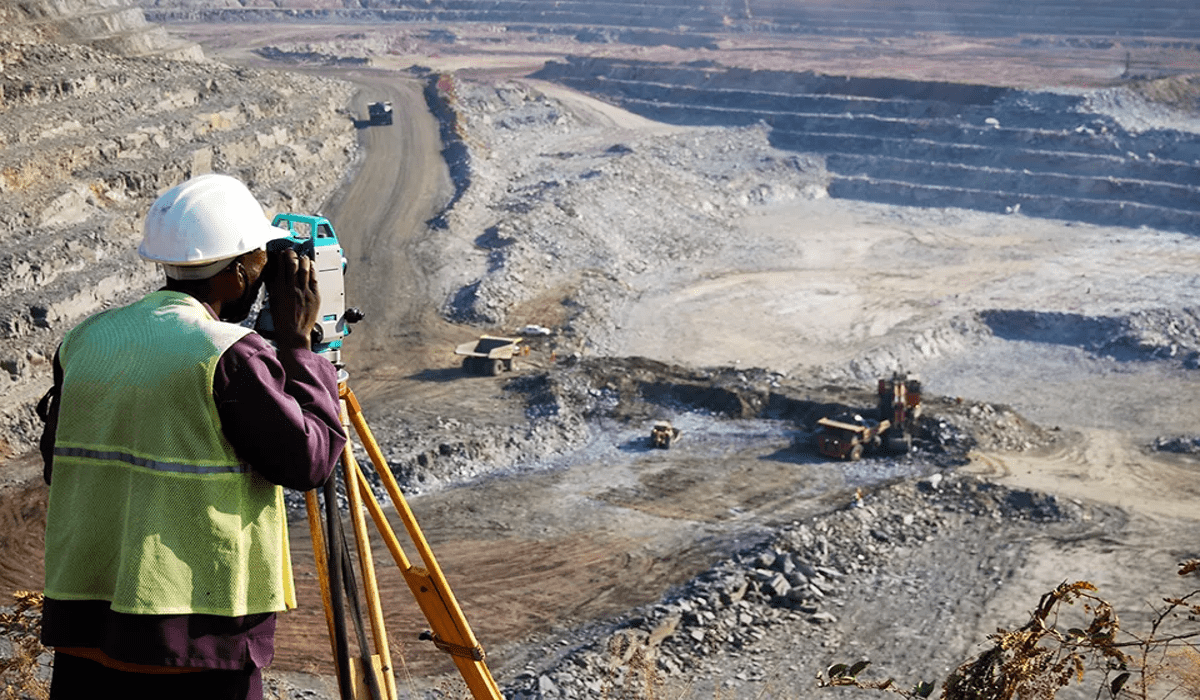
Sabi launched TRACE (Technology Rails for African Commodity Exchange), a platform that verifies and tracks mineral shipments from mine to port using digital passports that log origin, labour practices, and environmental data.
The company now moves over 20,000 metric tons of lithium, copper, tungsten, and antimony each month, supplying buyers in the US, UK, Netherlands, Singapore, and Asia. It has facilitated the movement of more than 100,000 tons of lithium from Nigeria, ranking among the region’s top five lithium export enablers.
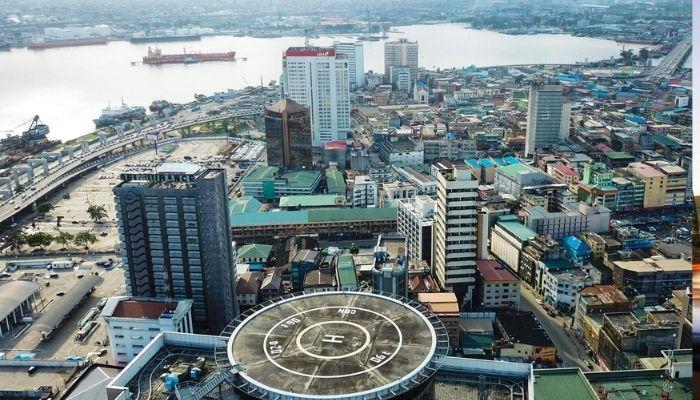
The pivot has positioned Sabi at the intersection of technology and Nigeria’s mining revival. President Bola Tinubu’s administration has attracted over USD 2.6 B in foreign direct investment into the solid minerals sector in the past 30 months, with reforms including a digital platform, stricter licensing and a crackdown on illegal mining that led to more than 350 arrests.
Solid minerals revenue rose to NGN 68.1 B (~USD 50 M) in 2025 from NGN 28 B in 2023. Four lithium processing plants are scheduled to open, backed by over USD 600 M in Chinese investment.
Sabi’s platform is now active in Nigeria, DR Congo, Tanzania, and Zambia, processing more than 20,000 tons of minerals monthly and targeting 5% of US imports in select mineral categories. The company has raised around USD 66 M in total funding.
“Traceability is the solution,” Adasolum said. “Every producer is verified, sites are audited, and every movement of material is logged”.
Sabi remains an outlier in a difficult environment for Nigerian businesses. The naira devaluation that began in May 2023 has depressed dollar revenues for locally reporting companies, dragging many off the FT list. Nigeria’s representation fell to 16 companies this year, behind Kenya with 17 and South Africa’s 51.
Mining still contributes less than 1% of Nigeria’s GDP, according to NEITI, but the government aims to raise that to 10% by the end of 2026.
“We’re doubling down on the part of our business seeing the most demand,” Adasolum said at the Moonshot conference in Lagos, referring to TRACE. Whether a startup built on soap and biscuits can help deliver that target remains a test for Nigeria’s broader ambitions.