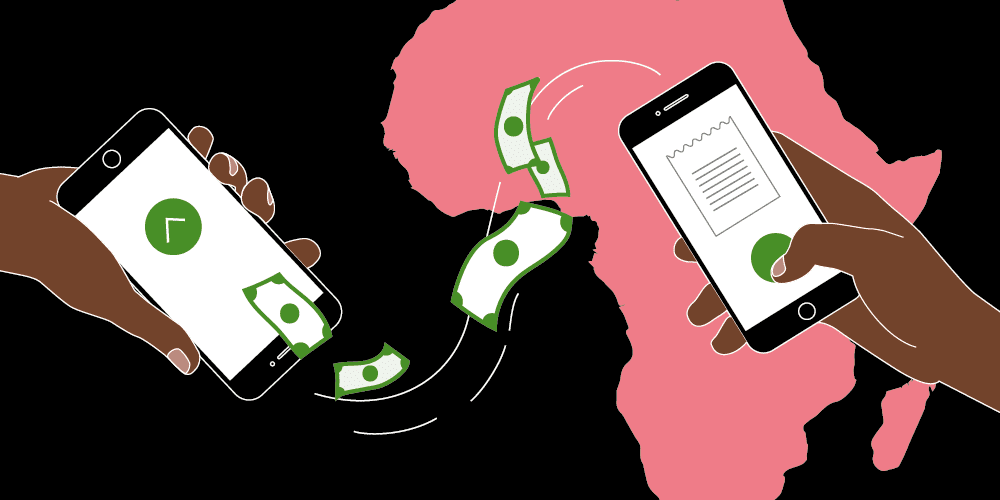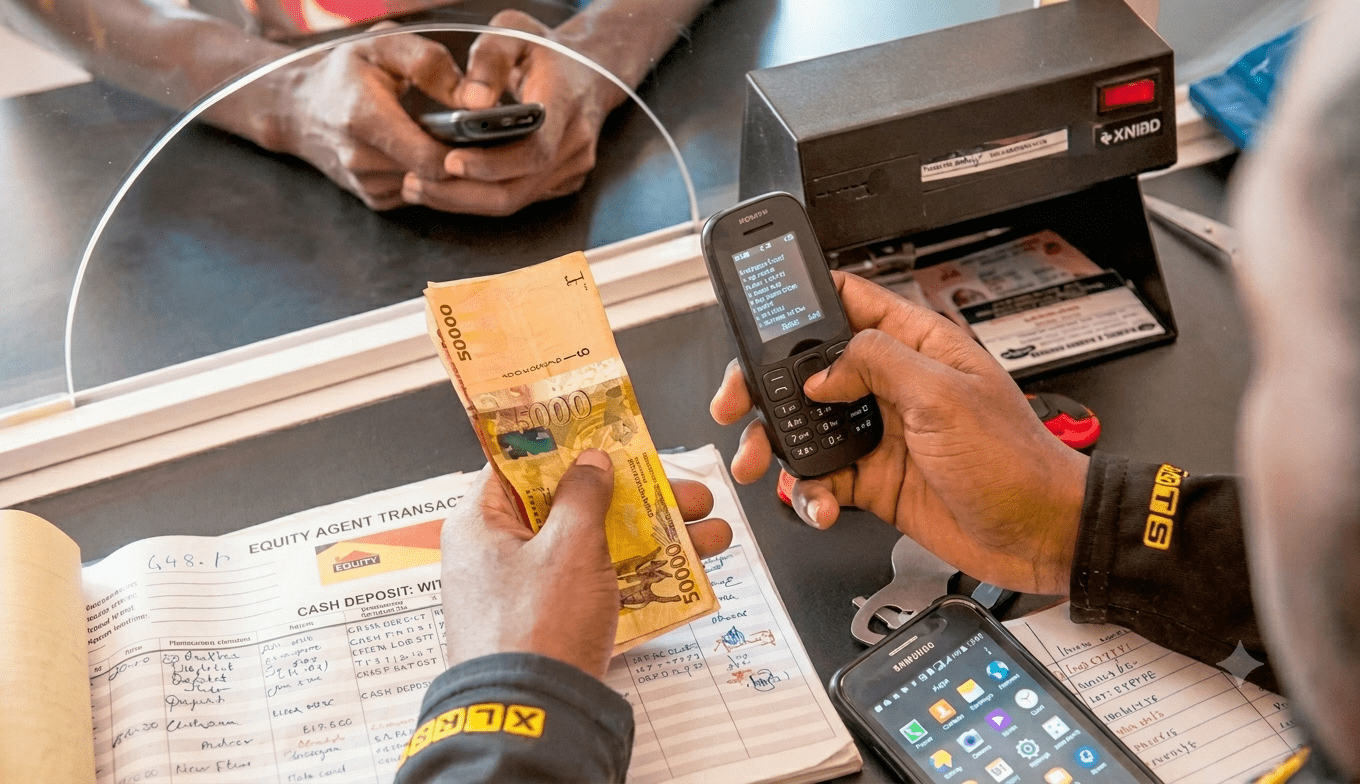
Uganda’s central bank is tightening the screws on cash, imposing new withdrawal and cheque limits in its strongest push yet toward a cashless economy, even as the government’s own digital transaction taxes threaten to undermine adoption.
The Bank of Uganda, in a circular issued last week, set daily over‑the‑counter cash withdrawal caps of UGX 50 M (USD 13.7 K) for individuals and UGX 500 M (USD 137 K) for businesses. Weekly limits are set at UGX 250 M and UGX 2.5 B, respectively. The rules take effect on Jan. 1, 2027.
“In line with the Bank of Uganda e‑payments strategy, which aims to promote a cash‑lite economy as part of the broader national digitisation agenda,” the central bank said it had also reduced interbank cheque limits and introduced the withdrawal caps, according to the circular.
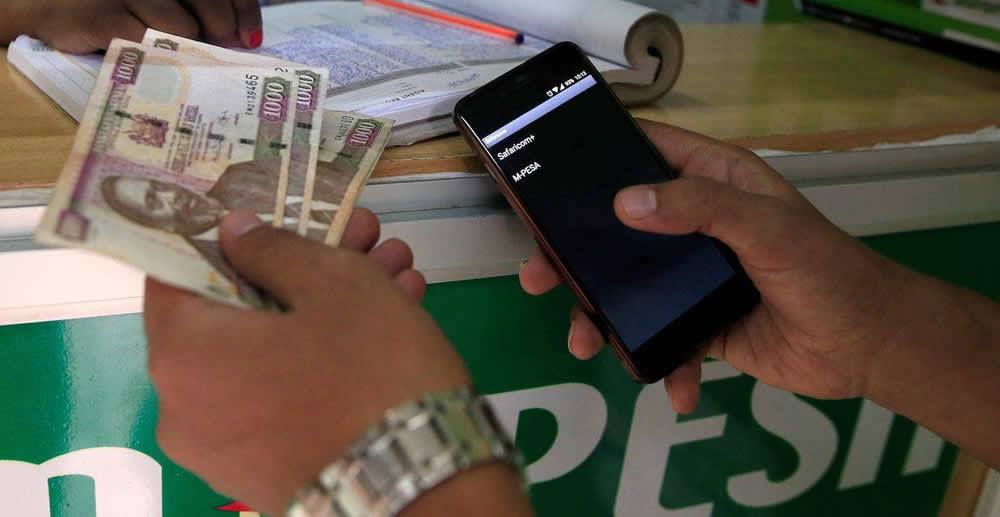
The move comes as digital payments surge. According to the central bank’s own data, electronic money transaction values in the East African nation rose 28% in 2025 to UGX 366 T (USD 100.3 B), while transaction volumes grew 17.3% to 9.1 billion. Mobile money remains the primary driver, with transaction values jumping 40% to UGX 66.1 T last year.
But a 0.5 percent excise duty on mobile money cash withdrawals, charged on top of service fees, is creating friction. Telecommunications firms MTN Uganda and Airtel Uganda told Parliament’s finance committee in April that the levy disproportionately hurts low‑income users. The operators are pushing for a reduction to 0.25 percent, arguing it would stimulate usage and ultimately lift tax revenue.
“When you send money for Parish Development Model, Emyooga, women down there will suffer the tax burden, they are your taxpayers,” MTN’s Dennis Kakonge told lawmakers.
The cost has sparked a shift. Agency banking transaction values rose 76% in 2025 to UGX 29.4 T as consumers seek cheaper channels, according to industry data. The number of agents expanded to more than 22,000. Refactory CEO Michael Niyitegeka, a tax expert, called the current framework “a distortion in the digital payments ecosystem,” noting that the tax burdens one channel while similar banking transactions attract lower costs.
The central bank’s restrictions may backfire if the cost of digital channels remains prohibitive. But mobile money remains the most accessible payment option for households and small merchants, even with the levy.