African Startups Immediately Feel The Cold Hands Of Trump’s Aid Freeze

The Donald Trump administration’s recent freeze on foreign aid is already affecting African startups, particularly those relying on U.S. funding for healthcare and climate resilience initiatives. The decision, issued through a “stop-work” directive by the U.S. State Department on January 25, has put projects on hold and disrupted key funding pipelines.
Investing in Innovation Africa (i3), a pan-African accelerator for healthtech startups, has adjusted its approach in response just days after announcing its third cohort. Originally, the programme was designed to support up to 15 African startups (10 early-stage to get USD 50 K grant and 5 growth-stage to get USD 225 K). But, following the freeze by the Trump administration, i3 has announced immediate changes stating its third cohort will now concentrate on only a handful of companies with proven traction and the potential to scale quickly.
The new pared-down program, still backed by prominent institutions such as the Gates Foundation and Sanofi’s Global Health Unit, will now focus on supporting 5–7 growth-stage companies working on pharmacy care innovations.
This pivot aims to strengthen Africa’s healthcare supply chains amid concerns over potential medicine distribution disruptions, i3 reiterates in a press release. The few selected startups will receive grant funding and access to partnerships that can help scale their solutions.
Meanwhile, OKO, a Bamako-based insurtech startup providing climate insurance to smallholder farmers in Mali and Uganda, is among the businesses directly impacted. The company had been working on expanding its services in Ivory Coast with USAID funding, but those plans are now in jeopardy.



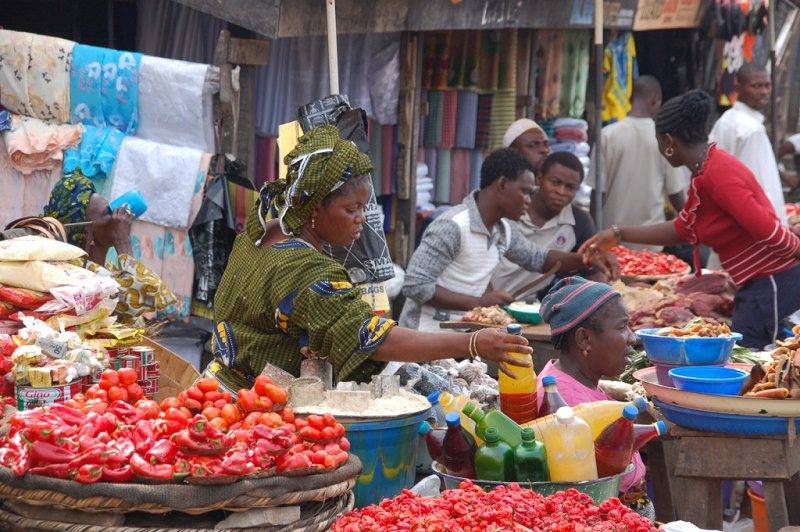




USAID-backed projects accounted for a significant share of OKO’s 2025 revenue pipeline, including its largest-ever initiative with the agency. With these now indefinitely suspended, OKO is scrambling to secure alternative funding, pitching its fully developed projects to other investors and development organisations. CEO Simon Schwall described the situation as a major challenge, with a significant portion of OKO’s 2025 revenue pipeline now uncertain.
The foreign aid freeze has raised broader concerns about the future of U.S.-funded development programs in Africa. Legal experts and political figures in the U.S. have questioned the legality of the move, arguing that funds allocated by Congress should not be withheld.
Critical initiatives from healthtech accelerators to climate-tech players are now at risk as USAID suspends contracts, grants, and cooperative agreements. In the meantime, African startups affected by the decision are working to find a way forward.
UPDATE (February 6th, 12:00WAT): Prosper Africa, a U.S. government initiative that aims to increase trade and investment between the United States and Africa, has suspended operations following Trump’s order. Notably, Prosper Africa has facilitated several deals supporting Africa-focused ventures such as Ilara Health and Tomato Jos, while known to be a notable partner for Future Africa’s Accelerate Africa program.
Featured Image Credits: Newsweek/Getty Images