TikTok Tests Morality Guardrails in Egypt, State Threatens Clampdown
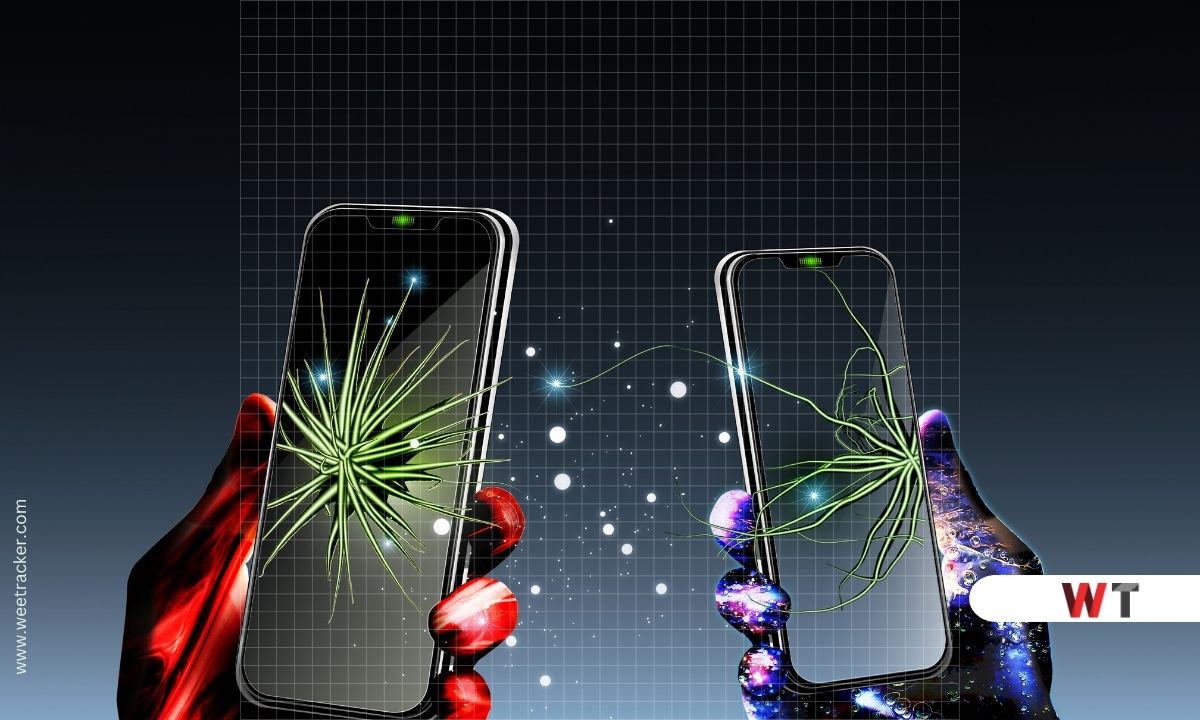
TikTok is facing a tight deadline of three months in Egypt to prove it can clean up its content and align with the country’s “societal and moral values,” or face state action.
The ultimatum, issued by Egypt’s National Telecommunications Regulatory Authority in July, came after a closed-door meeting between TikTok executives, lawmakers, and regulators
The move comes amid mounting public pressure to rein in the platform, with critics accusing TikTok of spreading content that disrespects Egyptian culture and “defames the reputation of Egyptian women.”
TikTok’s Influence and Its Risks
Egypt has one of the largest TikTok audiences in the Middle East, with over 41 million adult users. A notable 64% of them are men. For a platform once written off as a Gen-Z distraction, it has become one of the most powerful cultural forces in the country, shaping public opinion and provoking fierce political and moral debates.
But TikTok’s viral success comes with real problems.






One recent case that ignited national controversy involved a viral video of a TikToker claiming to be the secret daughter of former president Hosni Mubarak. In the same video, she alleged the existence of a human organ trafficking network involving public figures. One actress named in the video filed a formal complaint, and the creator was arrested on charges of defamation and spreading false news.
For critics, both inside and outside government, this is exactly the kind of chaos TikTok enables. They argue that the platform’s algorithm favours sensationalism over accuracy and that its viral mechanics reward emotionally charged content, allowing misinformation to spread faster than it can be countered.
These concerns are not unique to Egypt. In 2023, a UK parliamentary report linked TikTok content to the rise of misogynistic influencers like Andrew Tate, arguing that the platform helped mainstream dangerous ideas to teenage boys. In India, before it was banned, TikTok was repeatedly criticised for hosting videos promoting caste violence, disinformation, and unsafe “challenge” trends.
There are valid concerns here. In societies already struggling with economic hardship, social tension, or weak information ecosystems, an unregulated social media landscape can amplify chaos.
A History of Digital Control
Yet Egypt’s approach raises its own red flags.
Local media reports that in the past weeks, Egyptian authorities have arrested several high-profile creators, accusing them of spreading false information, using obscene language, and violating public decency laws.
At least eight content creators, including five women, have been detained after legal complaints filed by social media users and private lawyers. Dozens more are under investigation, with charges ranging from promoting “morally offensive content” to “undermining social norms.”
One notable case involves two female influencers known for their comedy videos. On Friday, the Interior Ministry announced their arrest, citing complaints that the women used “indecent language” and violated “public decency.”
The country has a long history of cracking down on online expression under the banner of protecting values. In 2020, several female influencers were arrested for posting dance and lifestyle videos deemed “inappropriate.”
Under Egypt’s 2018 cybercrime law, social media accounts with over 5,000 followers can be treated like media outlets and placed under surveillance. And in politically sensitive times, the government has blocked access to messaging apps like Signal and even platforms like Twitter (now X).
National Values or Selective Morality?
Regulating platforms like TikTok isn’t inherently oppressive, but critics argue that the term “national values” is often used vaguely, allowing authorities to selectively target dissenting voices, especially women, youth, and those from marginalised backgrounds.
This context makes it hard to separate legitimate concerns from political agendas. Regulating disinformation and harmful content is necessary, but doing so under opaque laws and with sweeping arrests risks turning regulation into repression.
MP Ahmed Badawi, a senior figure on the Telecommunications Committee, has tried to calm fears of an outright ban. “We are not banning TikTok,” he told local media. “We are regulating it to ensure it reflects Egyptian values.”
But what exactly counts as an “Egyptian value”? And who decides?
This is where things get murky. Morality laws in Egypt are notoriously broad, often wielded to reinforce conservative norms or suppress dissent. When state officials say TikTok must respect national values, they’re often referring to a vision of society that prioritises modesty, obedience, and social harmony values that clash directly with the platform’s chaotic, unfiltered energy.
Moreover, the arrests disproportionately targeting women suggest that this might not be about decency alone but also about the anxiety of seeing younger generations rewrite the rules of self-expression.
The Global Backdrop
Egypt isn’t acting in isolation. Across the Global South, especially in culturally conservative countries, governments are grappling with how to contain platforms that thrive on speed and virality.
In Senegal, TikTok has been banned indefinitely amid political unrest. In Pakistan, it’s been blocked several times over for so-called “immoral” content.
Meanwhile, in the West, the conversation around TikTok revolves more around data privacy and national security, especially due to the platform’s ties to China’s ByteDance. The U.S., Canada, and several European countries have considered or implemented partial bans, particularly on government devices. The concerns differ, but the underlying theme is the same: TikTok is too big, too fast, and too unpredictable to be left alone.
While these moves are often framed as protecting national security or cultural values, they can also serve a political function, limiting unregulated influence at a time when digital platforms are outpacing traditional power structures.
Finding the Middle Ground
As Egypt’s three-month countdown ticks away, TikTok faces a tough balancing act. Whether that means tweaking its content moderation filters, geofencing controversial material, or purging creators, it will have to tread carefully.
Too much compromise risks watering down its content and alienating users. If it resists, it may trigger a full-scale ban, cutting off one of its biggest user bases in the region.
The deeper question is what model of regulation Egypt will choose. Will it be a blunt-force crackdown masked as moral guardianship? Or a transparent, rights-respecting framework that addresses real harms without crushing creativity?
Because the problem isn’t that Egypt wants to regulate TikTok. The problem is how it will do it and whether it’s willing to uphold the same standards of fairness, clarity, and accountability it’s demanding from the platform.
TikTok must take responsibility for the culture it fuels. But so must the states that seek to govern it. The future of digital freedom depends on getting that balance right.