Egypt And South Korea Seal USD 15 M Deal To Redefine Digital Education In Africa

Egypt is making a bold play to take the lead in Africa’s digital education revolution.
Backed by a USD 15 M partnership with South Korea, the country has unveiled a five-year plan to modernize classrooms and equip its youth with the digital skills needed for a rapidly changing global economy.
The deal was announced on September 8 by South Korea’s ambassador to Egypt, Kim Yonghyon, following talks with Minister of Education and Technical Education Mohamed Abdel-Latif.
It will target 54 public schools spread across all 27 governorates, ensuring that digital access reaches both urban centers and rural communities.
A one-year preparatory phase will begin in 2026 to assess technical and teaching needs before full-scale implementation starts in 2027, underscoring a commitment to careful planning rather than quick technological fixes.




Closing the Digital Gap
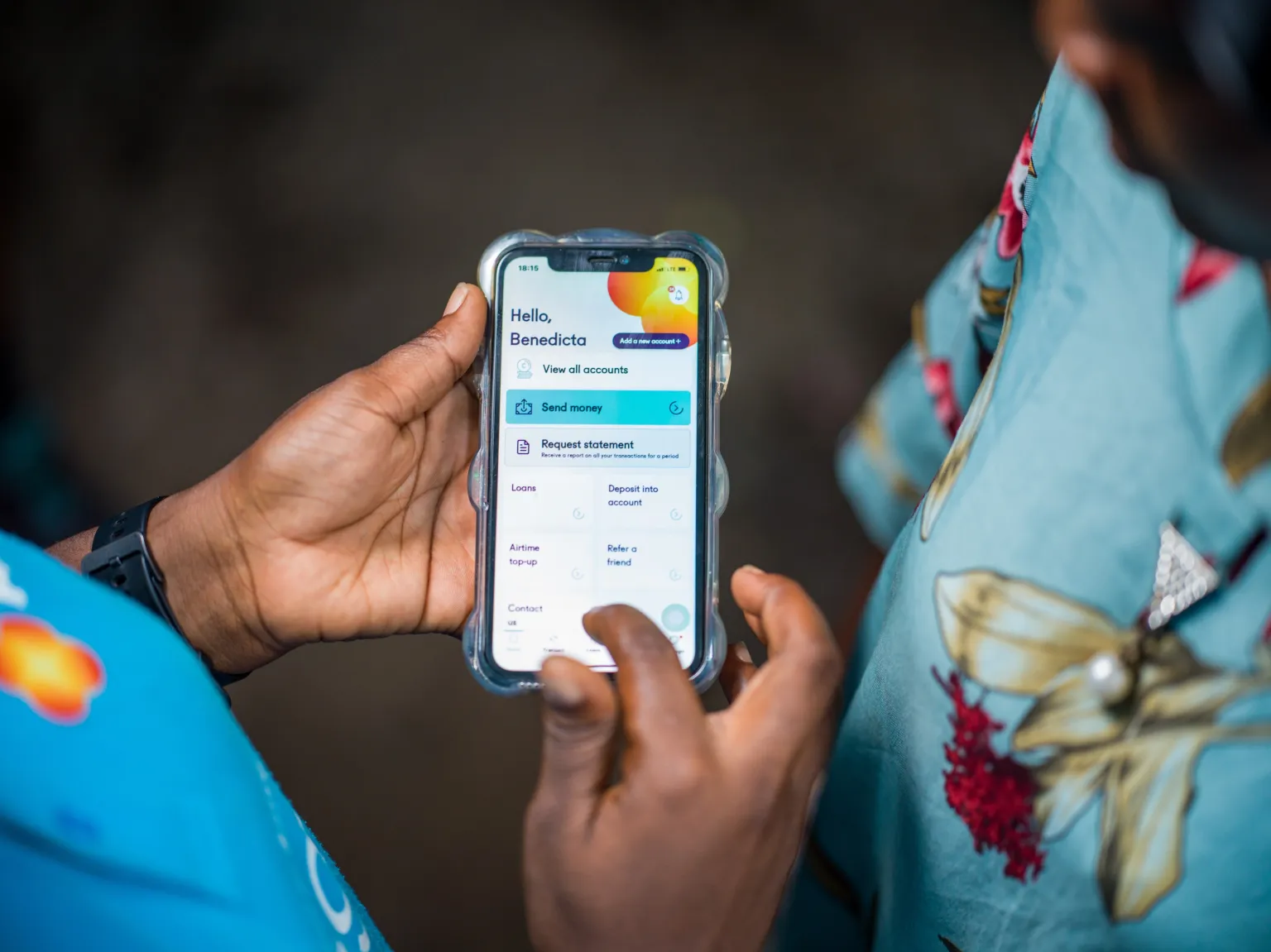
That effort is critical given the current state of Egypt’s schools. Fewer than 30 percent of public institutions are equipped with adequate ICT infrastructure, according to UNESCO, leaving the majority of students without access to the tools required for future employment.
The new program aims to close this gap by upgrading computer labs, expanding internet connectivity, modernizing digital curricula, and investing heavily in teacher training so that educators are confident in guiding students through new technologies. Monitoring systems will also be established to track progress and ensure quality, signaling a holistic approach that goes beyond installing hardware to building sustainable capacity.
The timing could not be more urgent. Youth unemployment in Egypt climbed to 18.9% in 2024, according to the World Bank, while the World Economic Forum has warned that six in ten workers globally will need retraining by 2027 even as only half currently receive it. For Egypt’s young population, the Korean-backed initiative offers not just better classrooms but a real chance to bridge the gap between outdated schooling and the demands of an AI-driven global workforce.
A Cultural Bridge
Yet the partnership is not confined to technology alone. It carries a cultural dimension that has grown increasingly significant in recent years. Korean language learning is booming in Egypt, with demand surging to the point where two new King Sejong Institutes opened in Cairo and Alexandria in 2025.
Discussions are already underway about integrating Korean into Egypt’s public school curriculum, while Arabic itself is studied by Korean students as part of their education. This exchange transforms the partnership into more than a skills program—it is building a cultural bridge that connects Africa, the Arab world, and East Asia in new and unexpected ways.
Regionally, the project aligns closely with the African Union’s Agenda 2063, which frames digital education as a cornerstone of development and innovation. If successful, Egypt could become a model for other African countries, exporting not only its experience but potentially training and consulting expertise. For a country of Egypt’s demographic weight and geopolitical position, the ability to anchor Africa’s digital education transformation would be both a symbolic and practical shift, reinforcing its role as a continental leader.
This move also builds on three decades of diplomatic relations between Egypt and South Korea. The two nations already collaborate in industry, energy, and infrastructure, but education adds a people-focused dimension to the partnership. South Korea brings proven expertise in digital education and ICT integration, while Egypt offers scale, ambition, and a pivotal geographic position.
The initiative reflects Egypt’s ambition to position itself as a continental hub for digital learning, cultural exchange, and innovation.