Ghana & MultiChoice End DStv Pricing Dispute Without Real Price Cuts
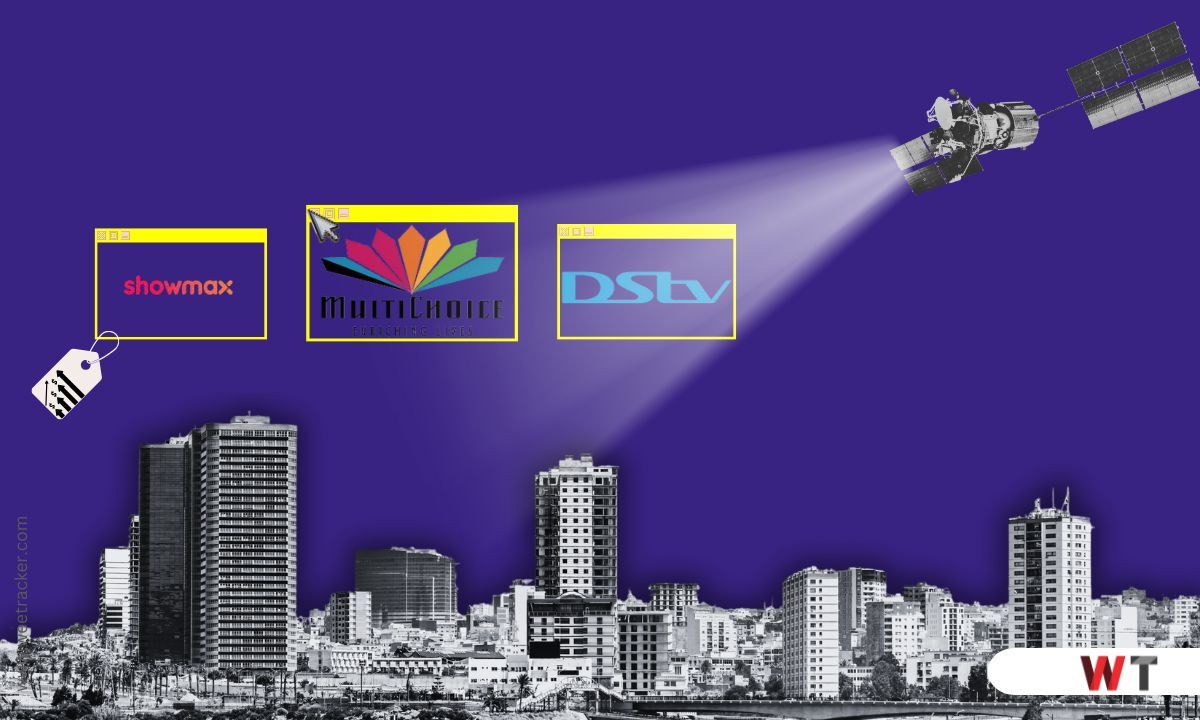
Ghana’s government and pay-TV leader MultiChoice Africa have resolved a protracted dispute over DStv subscription pricing with a compromise that provides Ghanaian subscribers enhanced channel packages without reducing actual prices, according to an announcement from the Ministry of Communication, Digital Technology and Innovation.
The agreement, effective October 1, 2025, follows weeks of tense negotiations and sees subscribers automatically upgraded to higher-tier bouquets at their current subscription rates. The arrangement will remain in effect until December 2025, with a parliamentary committee scheduled to reevaluate its impact in three months.
The resolution marks a significant shift in position for Communications Minister Samuel Nartey George, who had initially demanded at least a 30% price reduction for Ghanaian subscribers and threatened to suspend MultiChoice’s operating license by September 6 if the company failed to comply.
In August, the minister had imposed a GHC 10 K (~USD 800.00) daily fine on MultiChoice for failing to provide pricing data to regulators, which had accumulated to approximately GHC 150 K (~USD 12 K) by early September. Minister George had previously cited significant regional price disparities, noting that Ghana’s premium package cost subscribers USD 83.00 compared to USD 29.00 in Nigeria, despite similar market conditions.
At a September 29 press briefing, Minister George framed the new arrangement as a victory for Ghanaian consumers.

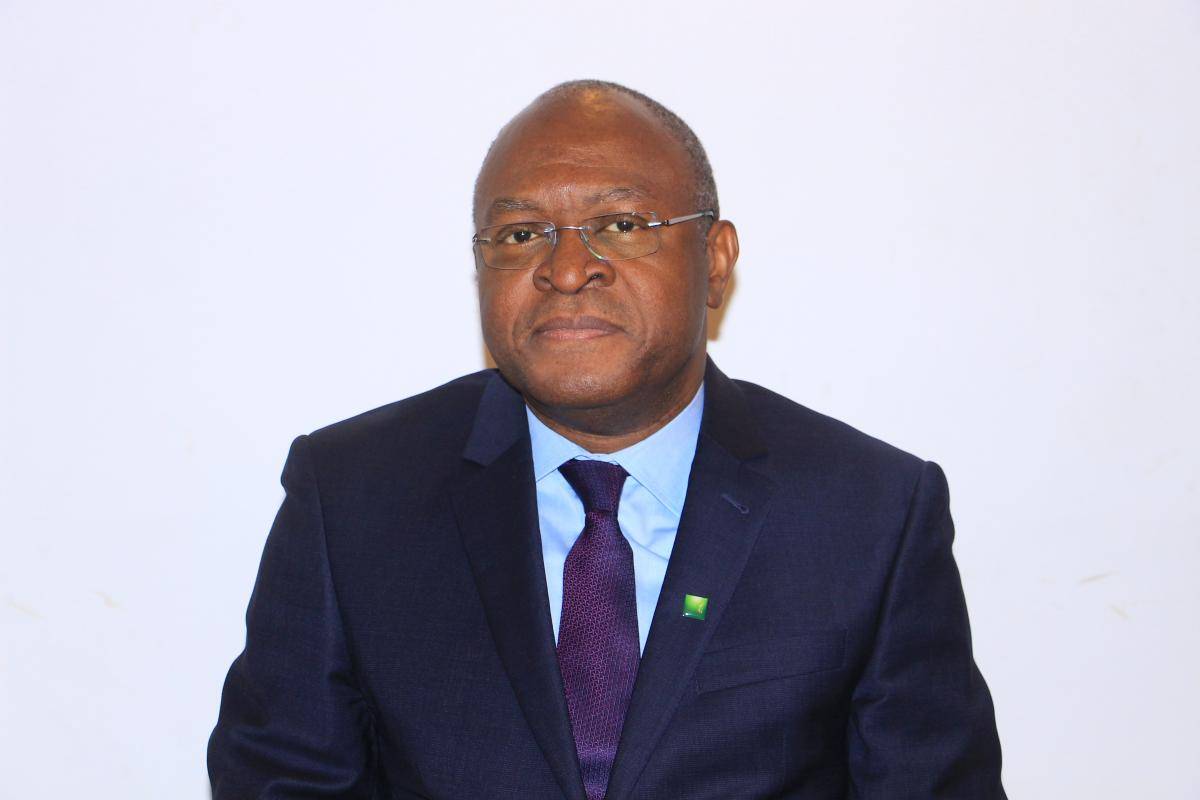



“MultiChoice Africa has committed to an unprecedented increase in value offer only in Ghana, which will result in Ghanaian DStv subscribers getting more services for less,” he stated. “Depending on the DStv package or bouquet you use, subscribers will get between 33% to 50% more value”.
***
Under the compromise, subscribers across all tiers will receive upgraded bouquets while maintaining their current subscription payments: Paddy subscribers move up to Access; Access subscribers move up to Family; Family subscribers move up to Compact; Compact subscribers move up to Compact Plus; Compact Plus subscribers move up to Premium.
Premium customers, while already at the highest tier, will qualify for automatic entry into draws to win fully paid trips to selected Premier League matches, subject to terms and conditions.
The announcement initially encountered confusion after MultiChoice published FAQs on its website that appeared to contradict the minister’s statements, describing the enhanced packages as a limited-time promotion scheduled to end in December 2025.
This prompted a swift clarification from MultiChoice Ghana, which issued a statement apologising for the “erroneous impression” created by the FAQs. “We fully support the joint media statement that was issued by the Honourable Minister, Hon. Samuel Nartey George, and implementation of the same has already commenced,” the company stated.
***
The compromise has drawn mixed reactions, with some political figures criticising Minister George’s approach. Member of Parliament for Kpandai Constituency, Matthew Nyindam, questioned the minister’s shifting stance. “He once stated in a media encounter that the meeting with the Ghanaian and South African team would not end without an agreed price reduction. He was clear that an upgrade was not what we wanted,” Nyindam stated.
In a television interview, Nyindam urged the minister to exercise humility, saying: “The minister should know that the office he holds is a trust bestowed upon him by the people of Ghana and not his bona fide property”.
Among subscribers, reactions have been divided. Some customers welcomed the additional value, while others expressed scepticism. “I’ve been using DStv for over two years, but not anymore. I switched to the Fire TV Stick,” said one consumer in a vox pop conducted by GhanaWeb TV.
“What they need to do is decrease the subscription fees so that Ghanaians can actually afford to buy these packages”
Meanwhile, the subscriber exodus is a feature in other countries as well, including Kenya, where recent data from the industry regulator shows DStv experienced a dramatic subscriber slump, with its active accounts dropping from nearly 1.2 million in June 2024 to 188,824 by June 2025—an 84% decrease.
Another subscriber noted the regional pricing concerns: “You can’t charge less in other countries and more in Ghana. I’ve seen lower prices in Liberia, Sierra Leone, and other African nations. We are all on the same continent and watch the same content”.
***
The DStv pricing issue emerged against a backdrop of economic challenges in Ghana, including inflation and currency volatility. MultiChoice had implemented two price increases in 2024 followed by another 15% hike in April 2025, placing additional strain on households already reprioritising expenses.
The compromise represents a temporary resolution to the standoff, allowing both sides to claim progress. The government can point to securing additional value for consumers, while MultiChoice maintains its pricing structure while offering enhanced packages.
The establishment of a three-month review mechanism indicates that the agreement may represent an interim solution rather than a permanent resolution to the pricing dispute. As one analysis noted: “The test of this deal will not be the bouquets shuffled in October. It will be whether, come December, when the stakeholder committee sits to review the arrangement, affordability is finally tackled head-on”.
For now, Ghana’s DStv subscribers will receive additional channels without price reductions, as both the government and MultiChoice await the December review that will determine the next phase of this ongoing negotiation.