Libya Overhauls Currency, Prints LY 60 B To Ease Cash Shortage
Libya’s Central Bank has embarked on one of its largest financial operations in years, authorizing the printing of LYD 60 B (USD 11 B) to ease a nationwide cash shortage and stabilize the Libyan dinar amid persistent economic uncertainty.
Despite its vast oil wealth, Libya has grappled with persistent cash shortages that have forced citizens to queue for hours outside banks to withdraw limited funds.
According to the Central Bank, the new issuance will help maintain liquidity and replace worn, outdated, and counterfeit bills. So far, LYD 25 B (USD 4.6 B) has been distributed to commercial banks, while another LYD 14 B (USD 2.6 B) is expected by the end of the year. The remaining LYD 21 B (USD 3.8 B) will arrive in 2026 under a phased delivery plan.
Although the bank did not disclose the printing company involved, it previously signed a contract with British banknote manufacturer De La Rue to produce LYD 30 B, a deal that is now folded into the larger program.
The liquidity crunch follows the Central Bank’s move to remove excess and unverified currency from the market. as part of the effort to clean up the money already in circulation. Over the past year, the bank has withdrawn LYD 47 B (USD 8.6 B) from circulation, including LYD 10 B (USD 1.8 B) in unofficial notes that were never issued by the institution and remain of “unknown origin.”


 Free Reads
COVID-19: Bolt Suspends Ride-Hailing In Nigeria & Moves To Deliveries, Uber Stops Service


 Free Reads
Swvl Confident of Kenyan Market Even After Little Shuttle Withdraws Service Over Regulation

Many of these unrecognized bills were believed to have been printed abroad or locally without authorization, distorting the money supply and undermining the value of the dinar. The Central Bank said that while the withdrawal has added temporary pressure to the cash supply, it is a necessary step to rebuild monetary stability.
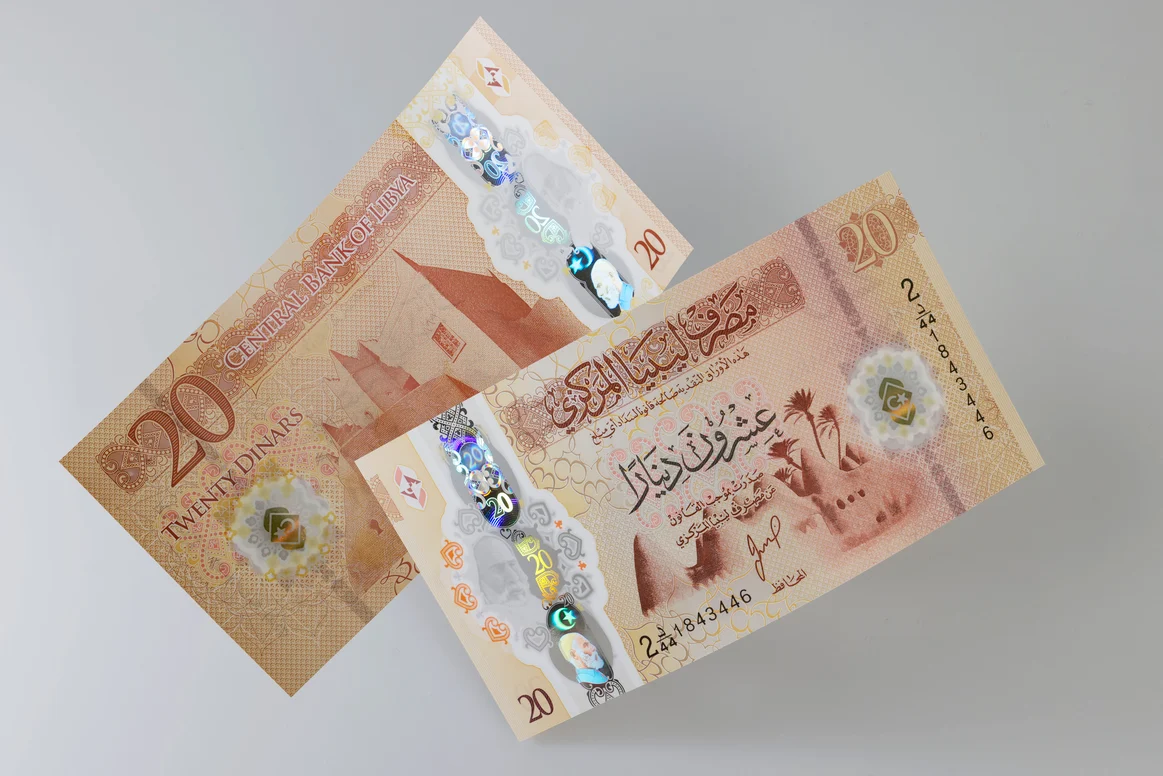
To replace the unverified currency, the Bank began circulating new LYD 5, LYD 10, and LYD 20 polymer notes earlier this year, on January 27, transitioning from traditional cotton-based banknotes to more durable polymer designs, a global standard that resists damage and counterfeiting. That rollout marked the start of a broader plan to refresh the nation’s currency supply and improve the quality of cash in daily use.
The bank acknowledged that removing such notes has placed additional pressure on the financial system but called the step necessary to restore stability.
A Fragile Recovery
The monetary reforms traces back to the country’s political divide, which began in 2014 when rival governments in the east and west each claimed control over the Central Bank and other key state institutions.
That division effectively split the country’s financial system in two, with competing authorities printing separate currencies and adopting conflicting policies. However, in August 2023, the Central Bank was formally reunified, ending nearly a decade of fragmentation. The reunification raised hopes that Libya could finally coordinate monetary policy and rebuild confidence in its financial sector.

Since then, the bank has sought to align fiscal measures with the country’s gradual economic rebound. Libya’s oil revenues reached LYD 79.4 B (USD 14.7 B) in the first nine months of 2025, up from LYD 59.6 B (USD 10.4 B) during the same period last year, according to Central Bank data. The increase reflects a partial recovery in production and exports after years of disruptions.
Rising energy income has also begun to attract foreign interest. Major oil companies such as TotalEnergies SE and Chevron Corp. are among 37 firms bidding for exploration rights in Libya’s first oil tender since the 2011 conflict, a sign of renewed international confidence in the country’s potential.
Even so, challenges persist. The Central Bank’s new notes may ease liquidity shortages in the short term, but restoring full stability will depend on political coordination and continued fiscal discipline.
For now, the printing of LYD 60 B in new banknotes represents both a symbolic and practical step, an effort to replace years of financial uncertainty with a steady, unified currency that Libyans can finally trust.