Mauritania Seals USD 300 M Deal for First Independent Power Project
Mauritania is stepping into the renewable energy race sweeping across Africa.
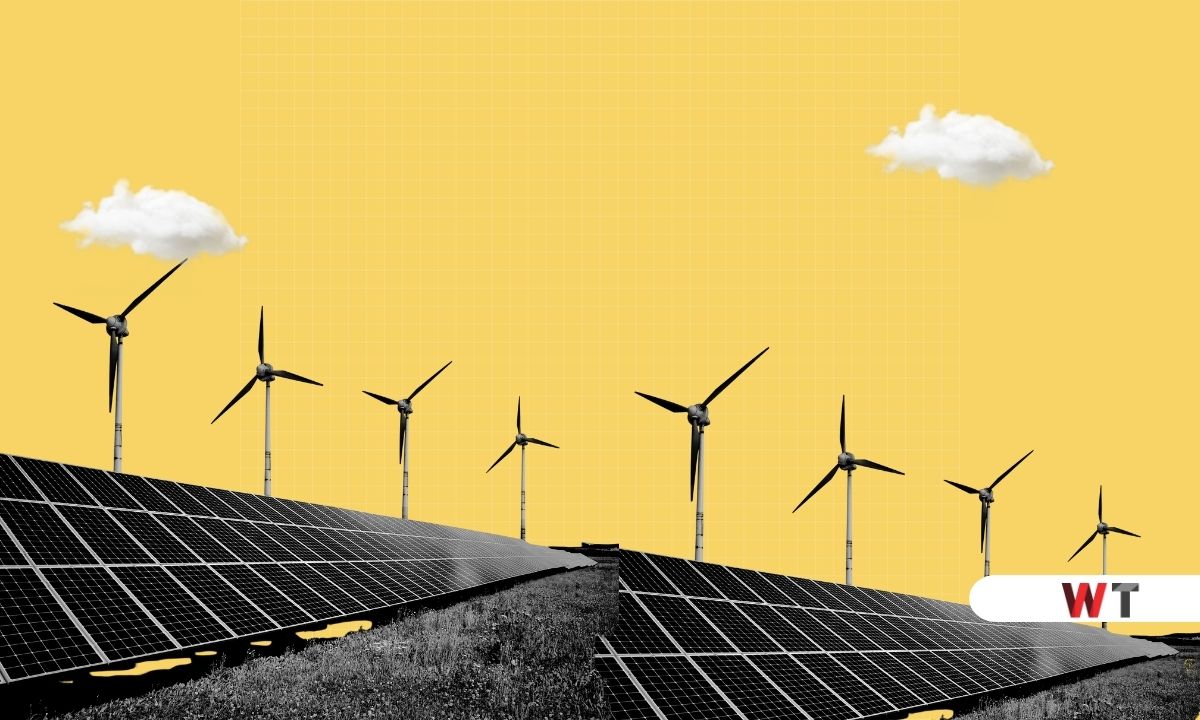
The North Western African country has taken a major step toward energy independence with the signing of its first independent power producer (IPP) contract, a USD 300 M agreement with Iwa Green Energy to develop a hybrid solar-wind power plant.
The landmark deal marks a turning point in the country’s energy strategy, signaling a growing openness to private investment in power generation. Under the agreement, Iwa Green Energy will build, operate, and manage the facility for 15 years before transferring ownership to the state. During that period, the national utility, Somelec, will purchase the electricity produced.
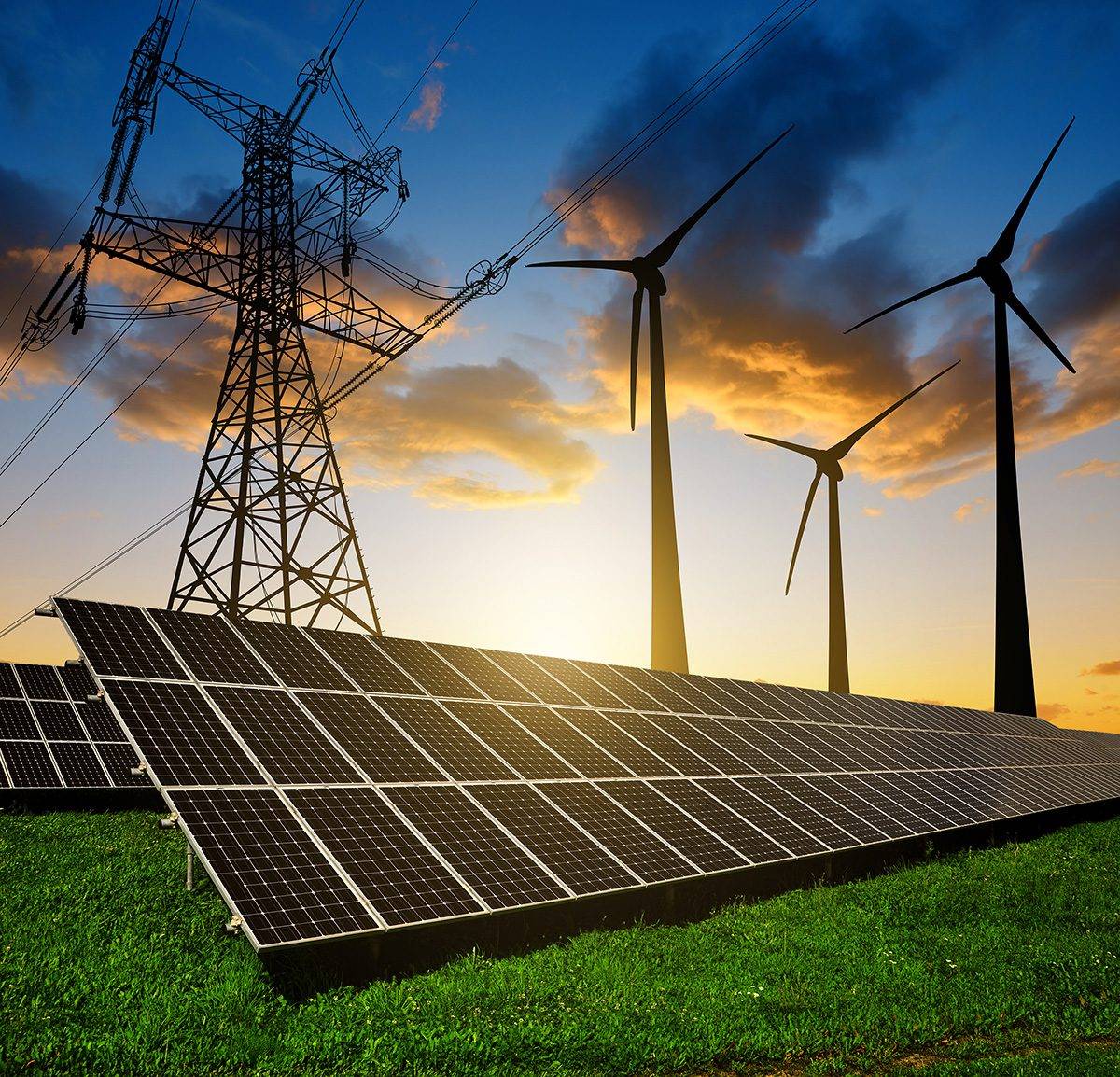
The plant, to be built near Nouakchott, will combine 160 megawatts (MW) of solar capacity with 60 MW of wind power, supported by an energy storage system capable of holding 370 megawatt-hours (MWh). Once completed in September 2026, it is expected to deliver up to 60 MW daily to the national grid, strengthening supply and reducing reliance on imported fuels.
With Mauritania’s current installed capacity hovering around 450 MW, the new project represents a substantial boost. More importantly, it aligns with President Mohamed Ould Cheikh El Ghazouani’s broader energy transition plan, which targets universal electricity access and 70 percent renewable generation by 2030.



Expanding Access in a Power-Hungry Nation
Despite abundant wind and solar resources, fewer than 10% of Mauritania’s rural households are connected to the grid. The country still depends heavily on imported fossil fuels, a vulnerability that the government is determined to overcome. Projects like the Iwa Green Energy plant are seen as key to expanding access while cutting emissions and stabilising energy costs.
Mauritania’s deal also fits neatly into a larger regional framework, the Desert to Power initiative. Backed by the African Development Bank (AfDB), the program aims to turn the Sahel into a renewable energy powerhouse through a common IPP protocol that standardises contracts and de-risks private investment across 11 countries.
Daniel Schroth, AfDB’s Director of Renewable Energy and Energy Efficiency, praised Mauritania’s leadership. “This project illustrates the relevance of the Desert to Power Joint Protocol as a tool for accelerating IPP projects in the Sahel,” he said. “It will contribute both to the goals of the Desert to Power Initiative and Mauritania’s Mission 300 Energy Compact.”
A Continental Trend
For years, African nations have leaned heavily on public funding and international aid to build their energy infrastructure. But a shift is underway. From Kenya’s wind farms in Lake Turkana to Egypt’s vast Benban Solar Park, governments are now embracing the IPP model to attract private investment and scale renewable generation. Mauritania, long reliant on imported fuels, is the latest to follow suit.
Governments are increasingly turning to independent power producers to finance renewable projects and reduce strain on public budgets. Mauritania’s move fits squarely within this trend, showing how private partnerships can help unlock the continent’s vast clean energy potential.
As the September 2026 commissioning date approaches, Mauritania’s first IPP could become more than just a power plant, it could serve as a model for how African nations harness private capital to power a sustainable future.