Predatory Lending Claims Rock Kenyan Digital Lender Mogo As Borrowers File Class Action Lawsuit
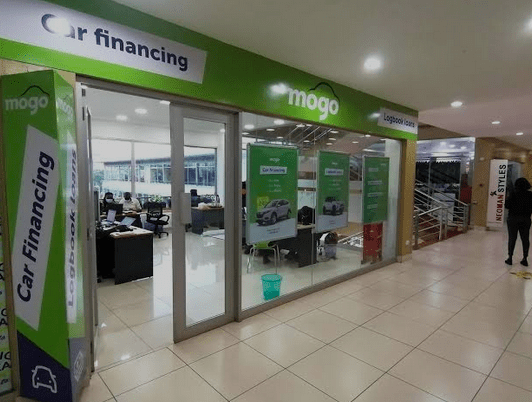
Mogo Kenya, an asset finance company and a subsidiary of the Latvia-based Eleving Group, is currently facing a class action lawsuit in the High Court of Nairobi filed by three borrowers – Caroline Nderitu, Wilson Mbogo Gikonyo, and Joseph Muraya Wangari. Mogo Kenya, which uses car and motorcycle log books as collateral to either finance purchase of said vehicle or advance a loan using the borrower’s own vehicle, has faced similar accusations in the past.
The core of the current petitioners’ argument is that Mogo’s loan contracts are exploitative, designed specifically to conceal the true cost of borrowing and inflate repayment amounts. The customers claim that the lender has engaged in a consistent pattern of abuse, violating their financial security and constitutional rights under Articles 46 and 47 (Consumer Rights and Fair Administrative Action).
The lawsuit highlights several identical and allegedly unlawful practices, including the dollar-indexing of loans disbursed in Kenyan currency: Customers who receive loans in Kenyan shillings (KES) are required to repay installments calculated in US dollars (USD). This practice exposes borrowers to unpredictable financial risk due to the potential volatility of the Kenyan shilling against the dollar, which often leads to a dramatic increase the total debt burden.
Mogo Kenya also stands accused of concealing true and absolute interest rates: The firm is said to unilaterally adjust loan terms, such as shifting from a flat interest rate basis to a reducing balance basis, without adequate disclosure, leading to unexpectedly high balances.
There is also compulsory bundling, where the lender allegedly imposes hidden costs such as forcing borrowers to purchase compulsory insurance premiums as part of the loan package, and finally, the most injurious part of the company’s operations: aggressive repossession. The petitioners claim Mogo utilises heavy-handed repossession tactics for vehicles and motorcycles without adhering to due process, leaving vulnerable borrowers stranded and without recourse once they default. Caroline Nderitu, for example, alleges her car was forcefully seized in public by three men who did not identify themselves as Mogo employees while she was on a work errand.

 Free Reads
Ghana Is Drawing Up A Big Budget And Very Little Of It Will Go Into Actually Growing The Country

 Free Reads
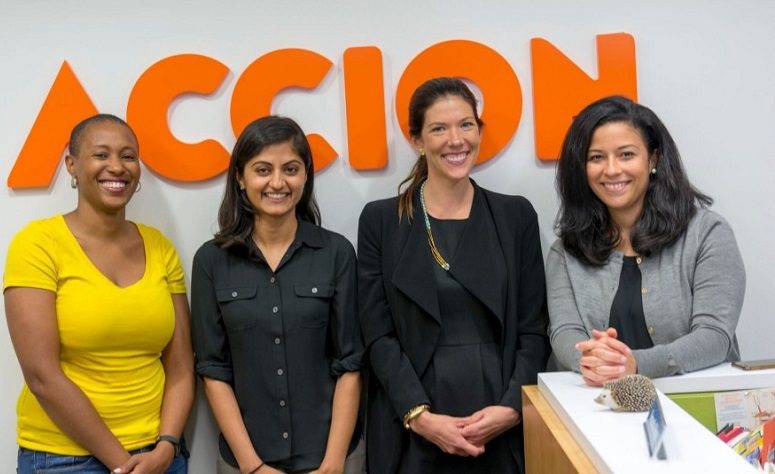
Accion Ventures’ Quadrupled New USD 33 Mn Capital To Invest In Inclusive Fintech Startups




The High Court intervention was deemed necessary by the petitioners to address what they termed “systemic abuse.” They seek a court order declaring Mogo’s lending model unlawful, in addition to demanding full compensation for all affected clients.
The class action follows a major regulatory finding in October 2024, when the Competition Authority of Kenya (CAK) fined Mogo Kenya KES 10.85 million (USD 83,978) and ordered refunds totaling KES 344,939 (USD 2,669) to three specific customers. The CAK’s investigation confirmed that Mogo had engaged in “false, misleading and unconscionable” conduct, findings which the borrowers have explicitly cited as corroborating evidence in their class action filing. Under this ruling, Mogo staff were also ordered to undergo consumer compliance training by August 30, 2025.
In the current court filing, Justice Freda Mugambi has directed that Mogo Kenya be formally served with the court papers and given 15 days to file its response. The matter has been set for mention on December 15, 2025.