Microsoft Is Building AI That Speaks Africa’s Languages To Close Digital Equity Gap
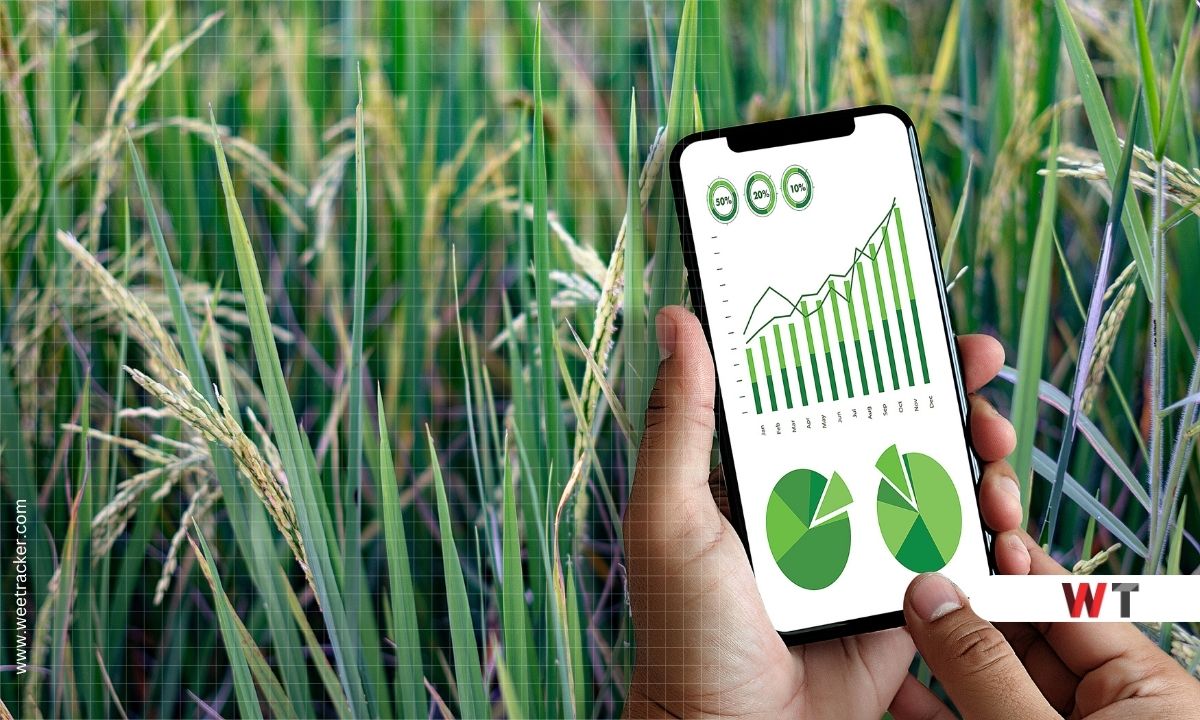
While generative AI is celebrated globally for boosting productivity, its benefits are distributed unequally. The core problem is simple: AI systems are trained primarily on data from developed nations, leaving communities that speak low-resource languages and have unique cultural realities – often referred to as the “global majority” – with tools that perform poorly or inaccurately.
Enter Project Gecko, which is designed to close these digital equity gaps. The goal is to create cost-effective, adaptable AI systems that speak local languages, incorporate culturally relevant knowledge, and are accessible even on low-bandwidth devices common in rural areas.This initiative is ran by Microsoft Research Africa in Nairobi, Microsoft Research India, Microsoft Research Accelerator in the US, Digital Green and other agri-techs, as well as experts from philanthropy and academia.
“Building AI systems from the ground up shaped by the knowledge, languages, and modalities of the global majority yields more innovative, useful solutions for a great number of people,” explains Ashley Llorens, Corporate Vice President of the Microsoft Research Accelerator.
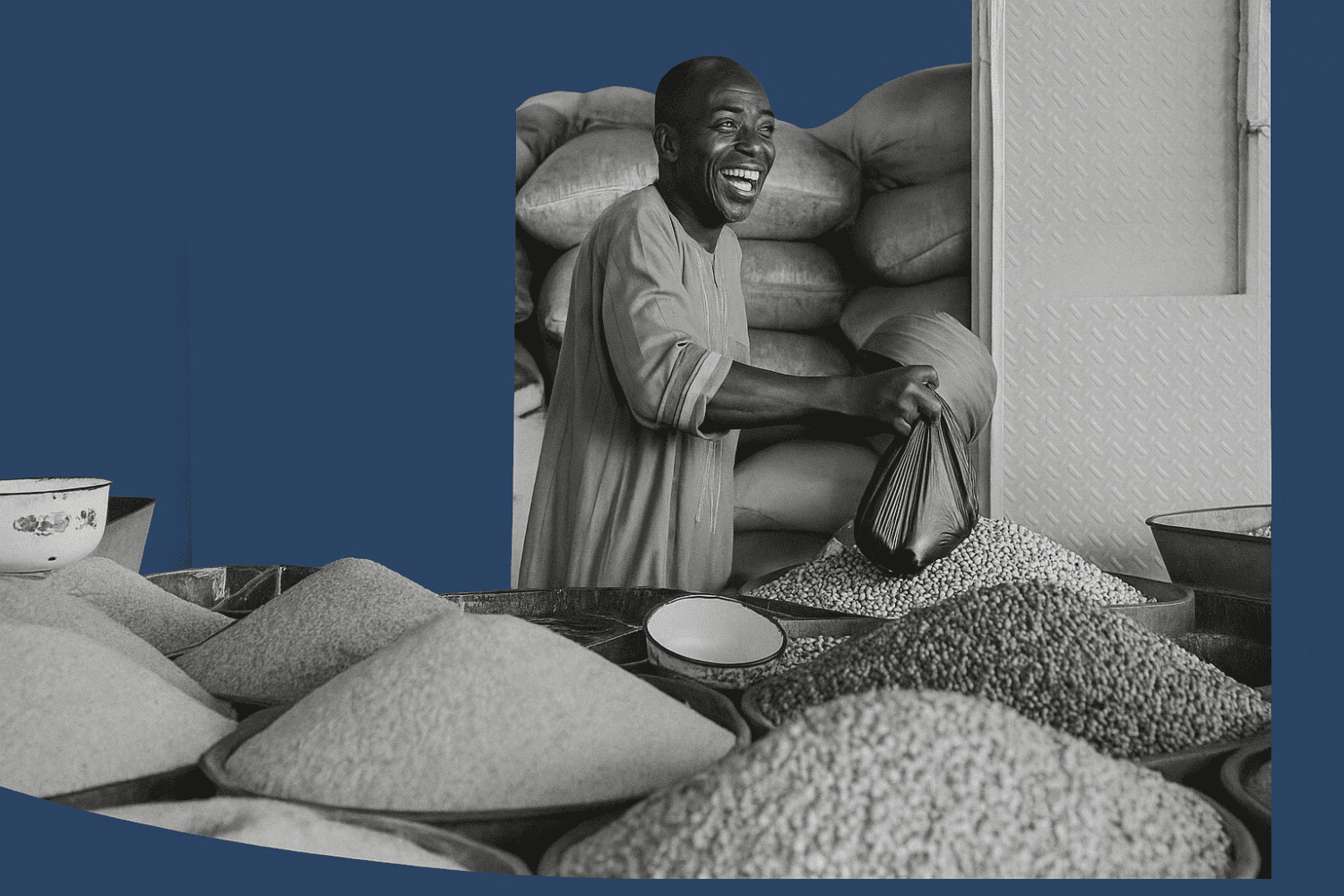
Project Gecko is beginning its work with agriculture. In both Kenya and India, smallholder farmers – millions working less than five acres – are key economic drivers. Yet, they face enormous communication barriers, often switching between languages like Swahili, Kikuyu, Kalenjin (in Kenya), and various Indian dialects, and rely more on oral instruction and visual demonstration than on text-based search.
Researchers found that generic AI often fails these farmers, delivering incomplete or inaccurate answers because the underlying models were overwhelmingly trained in English. As Tanuja Ganu, Director of Research Engineering at Microsoft India, notes: “Agriculture has very specific terms, which may change from language to language, and even district to district. All those domain-specific nuances need to be understood.”






Central to this initiative is the MultiModal Critical Thinking Agent (MMCTAgent). This new system enhances existing frontier models by allowing them to reason across audio, visual, and text data simultaneously. It breaks down complex questions into smaller parts and grounds its responses in real-world agricultural practices captured in videos and transcripts provided by partners like Digital Green.
Building on Digital Green’s existing FarmerChat assistant, Project Gecko can now unlock a trove of over 10,000 agricultural videos in over 40 languages. The result is transformative: a farmer in Nyeri County, Kenya, can verbally ask a question in Kikuyu and receive a precise answer in text, audio, and video, jumping straight to the exact solution timestamp. Field studies confirm significant improvements in accuracy and user trust over generic AI.
To make this possible, the Gecko team has had to develop fundamental language tools from scratch. They are using smaller language models (SLMs), which are compact and run efficiently on minimal computing power, to Swahili, Kikuyu, Somali, Kalenjin, Luo, Maasai, directly addressing the core issue of digital access for Africa’s most important economic sectors. They are also received feedback from 130 farmers who have already been on-boarded to make product improvements and receive actionable recommendations. The eventual goal is to develop design patterns and tools that product developers can deploy in areas such as healthcare, retail and education, and expand the global majority’s access to information.