Morocco Commits USD 7.8 B To A Nationwide Shift Toward Green Public Transport
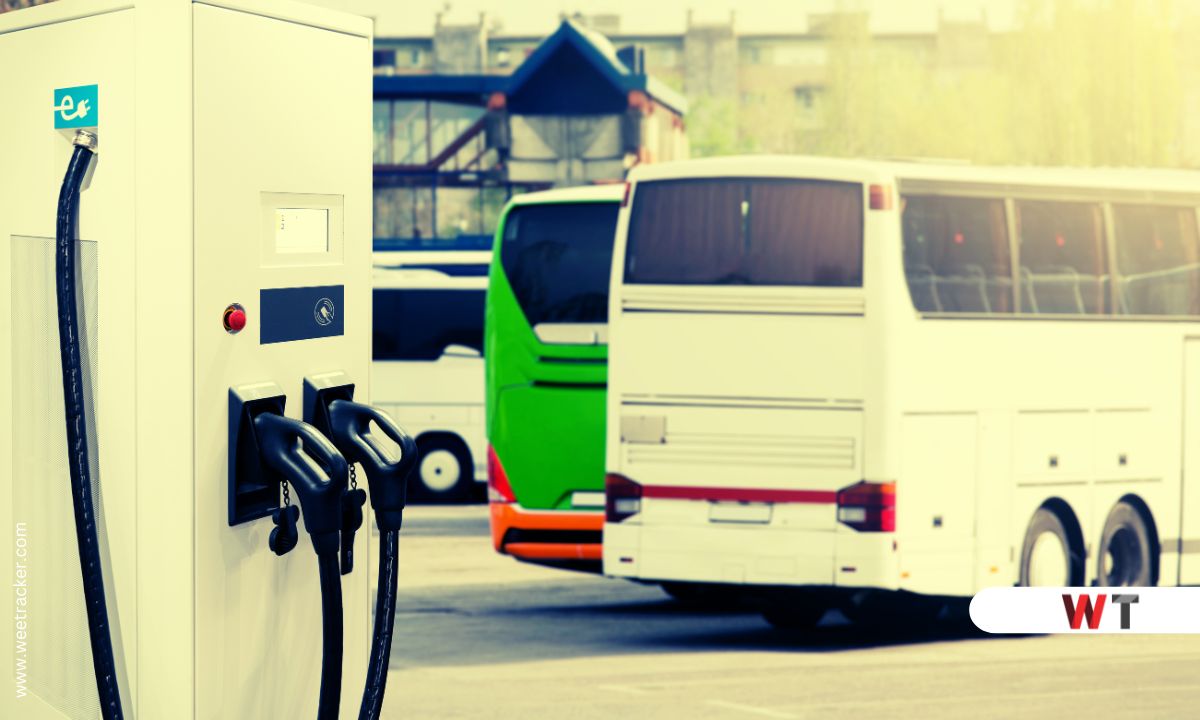
Morocco is preparing a major shift in how people move across its cities and regions. The government has committed USD 7.8 B to build a cleaner, more connected public transport system by 2029, marking one of the country’s biggest mobility investments to date.
The announcement came during a COP30 side event in Belém, where Abdellatif Maâzouz, president of the Casablanca-Settat regional council, detailed the scale and structure of the national plan.
Officials said the goal is to push public transport to the center of daily travel and cut reliance on private cars. The strategy puts heavy emphasis on cleaner technologies, modern infrastructure, and stronger coordination between regions.
A large share of the funding, roughly USD 1.1 B, will support the purchase of 3,750 new buses designed to meet modern efficiency and environmental standards. The rest, about USD 6.7 B, will go into long-term infrastructure, including new tram corridors, regional express trains, and expanded rail links that connect fast-growing cities.
The Ministry of Interior and regional councils describe the initiative as a “clean, multimodal system” intended to ease movement across Morocco while cutting transport emissions, one of the country’s most persistent environmental challenges.

 Free Reads
Despite South Africa Being Among Top Gender Equal Countries In Africa-Women Still Remain Under-Represented
 Free Reads
AfricArena and FMO Ventures Expand Partnership To Bring More Value To Africa’s Tech Ecosystem



Casablanca-Settat has stepped in as the main driver of the transition. The region has committed USD 2.5 B, nearly 40% of its updated development plan, to modernizing mobility across both urban centers and rural zones.
Its model relies on a non-polluting train-tramway backbone, expanded with a fully modernized bus network. A new digital multimodal platform will tie the system together, offering real-time passenger information, smarter traffic management, and simpler transfers between transport modes.
Officials say the platform could become one of the most advanced in Africa, designed to reduce congestion and make public transport more predictable for commuters.
Several parts of the country have already seen early changes. Road expansions in and around major cities have eased traffic pressure, and monitoring stations have recorded better air quality between 2023 and 2025. Local councils attribute these improvements to a steady shift toward shared transport, helped by more reliable services and better regional planning.
Speaking at COP30, Maâzouz stressed that Morocco’s ecological transition is being driven by the country’s advanced regionalization policy. Regions now design and execute their own mobility strategies while aligning with national climate targets.
He said this regional approach has accelerated the rollout of major projects, improved coordination between institutions, and encouraged innovation in both planning and service delivery.
Morocco also plans to use this momentum to strengthen its role on the continent. Officials say the country intends to work more closely with African partners through South-South cooperation, focusing on practical knowledge such as electrification strategies, network planning, and digital management tools.
The USD 7.8 B investment fits into Morocco’s broader climate and mobility framework, including the National Sustainable Mobility Charter 2035 and the National Low-Carbon Strategy 2030. Both programs push for cleaner transport as a way to build more resilient, competitive regions and raise the quality of life.
If the rollout continues on pace, Morocco could enter the next decade with one of the most modern, low-emission public transport systems in Africa, shaped by regional leadership and backed by long-term national planning.