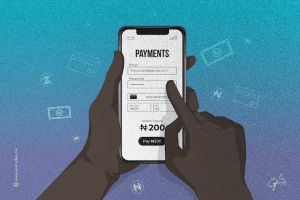
Nigeria’s Banks Finally Clear Massive USSD Debt After Four-Year War With Telcos
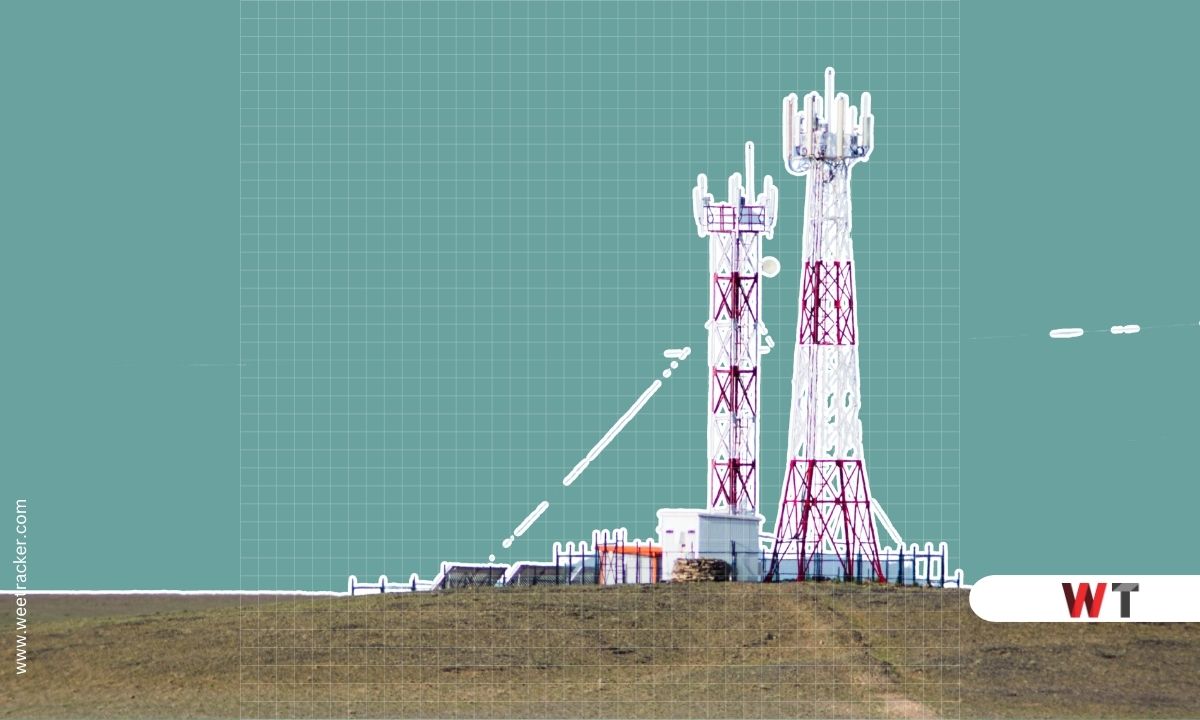
Nigeria’s banks have fully repaid nearly NGN 300 B (~USD 200 M) in outstanding debt to telecommunications operators for Unstructured Supplementary Service Data (USSD) services, closing a four-year dispute that threatened the stability of the country’s digital financial ecosystem, the Association of Licensed Telecommunications Operators of Nigeria said.
The resolution removes a long-running friction point between two of Nigeria’s most vital sectors. USSD codes—the short numbers like *123# that allow mobile phone users to transfer money, check balances, and pay bills without smartphones or internet access—have become essential infrastructure for financial inclusion in Africa’s most populous nation.
At its peak, the unpaid debt had grown into a systemic risk, according to ALTON Chairman Gbenga Adebayo, who credited Nigerian Communications Commission leadership with steering both industries toward resolution.
“When Dr. Maida assumed office, he inherited significant industry challenges. One of the most difficult was the USSD debt crisis—a debt burden that grew over four years to nearly NGN 300 B,” Adebayo said during a visit to NCC Chairman Idris Olorunnimbe. “It had become a systemic risk to our sector and the digital financial ecosystem. Through firm leadership, structured engagement, and decisive coordination, Dr. Maida and his team resolved this issue”.
The debt clearance was achieved alongside a fundamental restructuring of how USSD services are paid for. Under the new End-User Billing model implemented in mid-2025, the 6.98 naira charge per 120-second session is now deducted directly from users’ mobile airtime rather than from bank accounts, removing banks from the payment chain entirely.



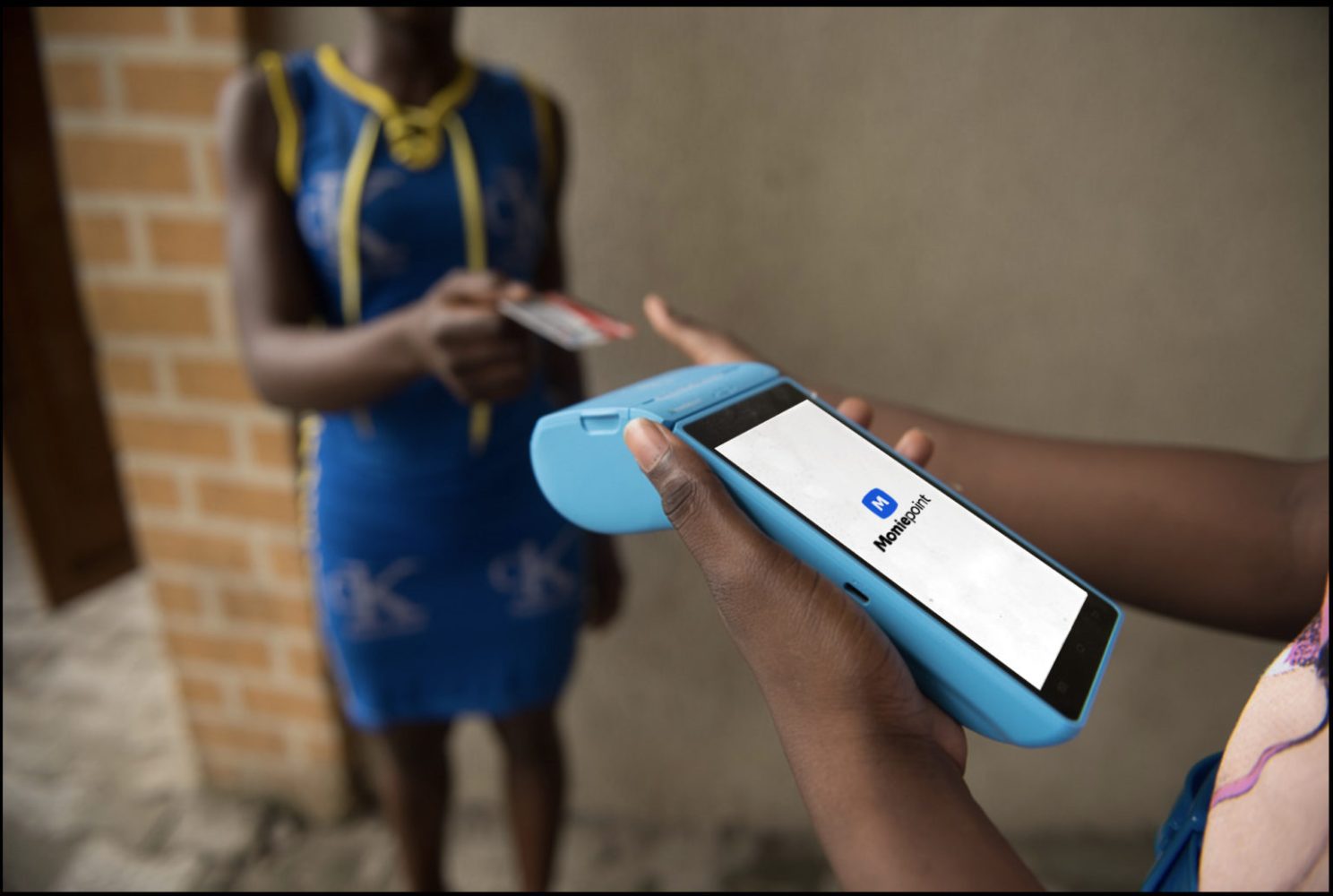




Previously, banks collected charges from customers but often failed to remit them to telecom operators. By June 2025, 13 banks had cleared 95 percent of the debt, totalling about NGN 171 B, with the remaining balance now fully settled.
The resolution coincides with stabilising foreign exchange conditions and follows last year’s approval of a 50 percent tariff adjustment, the first major pricing review in 13 years, which operators argued was necessary to offset inflation, currency depreciation, and rising energy costs.
“For 13 years, the industry maintained static pricing despite rising inflation, currency volatility, ageing infrastructure, and escalating energy costs,” Adebayo said. “Our tariffs fell significantly below cost. Investment slowed”.
Industry observers say the debt clearance removes a significant overhang from operator balance sheets and restores predictability to a sector critical to Nigeria’s digital economy. “When investors see stability in cash flow and policy direction, confidence follows,” Adebayo noted.
NCC Chairman Olorunnimbe pledged continued regulatory consistency, stating that “investors commit capital where rules are transparent, decisions are data-driven, and the regulatory environment is predictable”.
For ordinary Nigerians who rely on USSD codes for banking, particularly those without smartphones, the new model offers clearer billing with consent prompts before each deduction and safeguards against double-charging.
While some consumer advocates have expressed concern about the impact on low-income users, operators maintain that the previous system was unsustainable and that the new framework ensures the long-term availability of USSD services critical to financial inclusion.
The resolution marks the end of years of accusations and counter-accusations between banks and telecom operators that had threatened service continuity for millions of Nigerians dependent on mobile money.