AI-Generated Fake Citations In South Africa’s AI Policy Serve Major Blunder
A flagship South African national AI policy has been withdrawn after it was found to contain fake, AI-generated citations. It’s a blunder that has undermined the credibility of a document meant to govern the very technology that produced its errors.
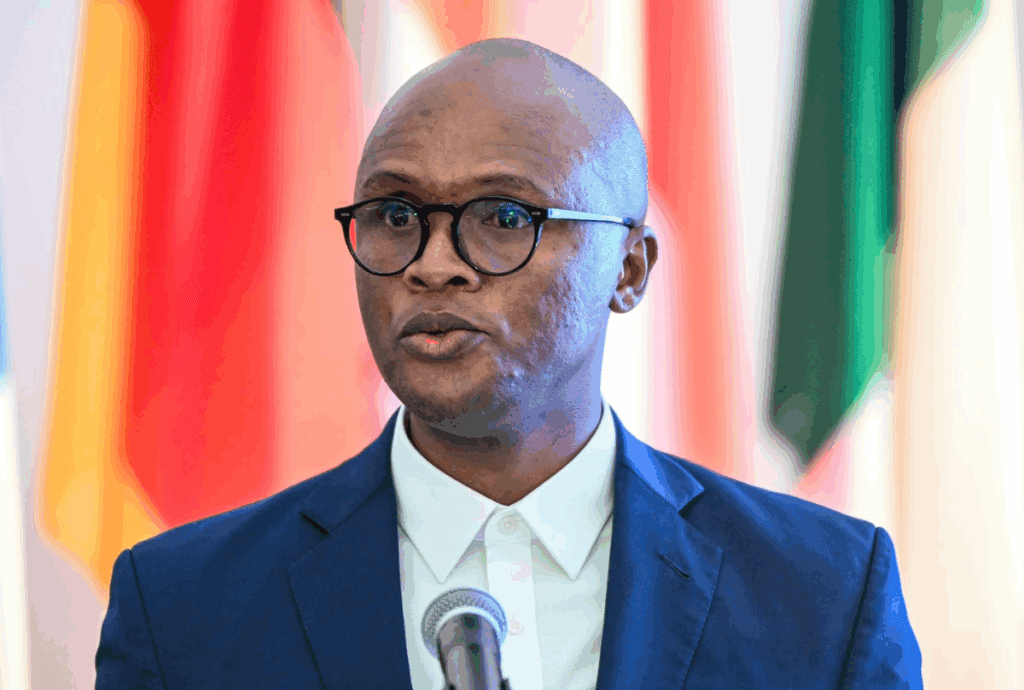
Communications and Digital Technologies Minister Solly Malatsi announced the withdrawal late on Sunday after an internal probe confirmed that the Draft National Artificial Intelligence Policy, published for public comment on 10 April, contained multiple fictitious references in its bibliography.
“This failure is not a mere technical issue but has compromised the integrity and credibility of the draft policy,” said Malatsi. “The most plausible explanation is that AI-generated citations were included without proper verification,” he added, calling the episode an “unacceptable lapse” and a clear demonstration of why vigilant human oversight over AI remains critical.
The debacle was triggered by an investigation from South African publication News24, which reported that at least six academic citations in the 67‑item reference list, drawn from journals such as the South African Journal of Philosophy and AI & Society, either did not exist or could not be found in recognised academic databases.
A check with journal editors confirmed that the credited articles had never been published in those outlets. The finding strongly indicated that the references had been “hallucinated” by a large language model, meaning the AI had invented them with convincing but wholly inaccurate confidence.
The irony of the situation was not lost on critics. Khusela Diko, chairperson of Parliament’s portfolio committee on communications and digital technologies, had called for withdrawal days earlier and sarcastically urged the minister to undertake the necessary review “without using ChatGPT this time”.
Public Works and Infrastructure Minister Dean Macpherson, a fellow Democratic Alliance member of the Government of National Unity, accused Diko of “grandstanding,” while Diko fired back that DA ministers were the “epitome of populism”.
The draft policy, approved by Cabinet on 25 March after a special sitting on 1 April, had been positioned as a cornerstone of South Africa’s Fourth Industrial Revolution response.
It aimed to establish national AI priorities, embed principles of intergenerational equity, and create new oversight structures, including a National AI Commission, an AI Ethics Board, an AI Safety Institute and an AI Insurance Superfund. Had it proceeded, the public consultation period would have run until 10 June.
Malatsi conceded that the withdrawal reflects a broader failure of quality control within his department. “South Africans deserve better. The Department of Communications and Digital Technologies did not deliver on the standard that is acceptable for an institution entrusted with the role to lead South Africa’s digital policy environment,” he said. He promised “consequence management for those responsible for drafting and quality assurance”.
The withdrawal leaves South Africa without a formal AI governance framework at a time when the technology is rapidly reshaping economies and societies across the continent. A new, properly vetted policy will now have to be drafted from scratch, delaying any near-term regulatory clarity.