Chowdeck Moves To Fix Gaps After Impersonation Controversy As Grievances Remain
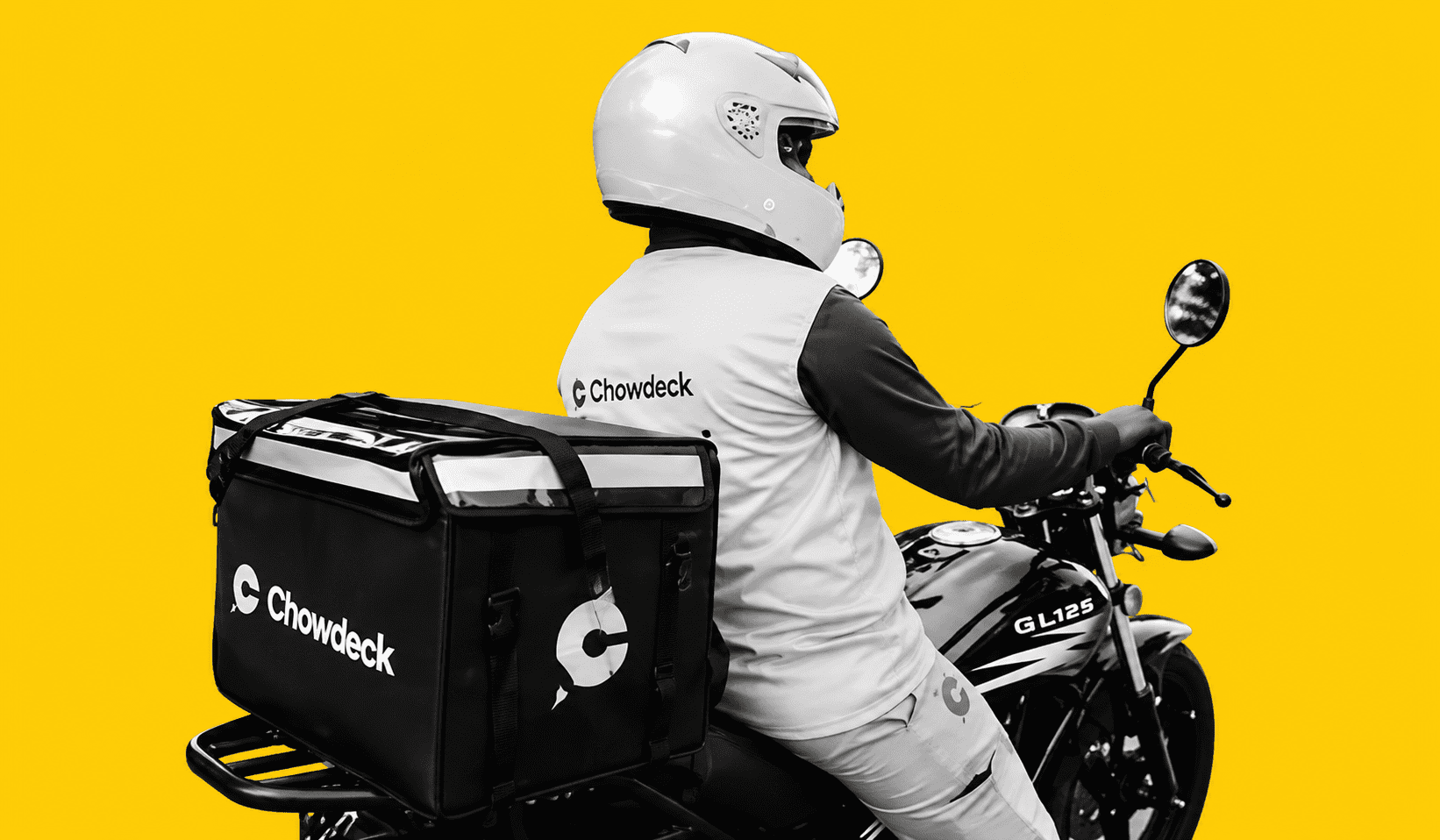
When a Techpoint Africa investigation revealed in May that a fictitious restaurant could be set up and take live orders on both Glovo and Chowdeck without any real identity check, it laid bare a deeper crisis of trust in Nigeria’s USD 1.1 B online food delivery industry, and triggered an urgent response from one of its biggest players.
The controversy, which followed a December 2025 complaint by a legitimate food brand that had been impersonated on Glovo, prompted Chowdeck to overhaul its vendor verification framework. Today, the company rolled out a three-tier “Vendor Badge” system designed to give customers clarity about who is actually preparing their food.
“We built Chowdeck on trust,” founder Femi Aluko said in a statement. “A recent incident exposed a vulnerability in a system we created to support small businesses. It raised important questions about customer safety and how vendor verification works.”
Under the new system, “Verified” badges designate fully vetted official partners. “Awaiting Verification” badges apply to starter businesses completing their paperwork, while “Shopper” badges indicate a local store that is fulfilling orders through a trained Chowdeck shopper rather than a direct partnership. The platform’s official blog stressed that compliance does not end at onboarding, promising continuous monitoring and enforcement.
Yet for vendors whose businesses are being listed without their knowledge or consent, the badges do not resolve the core grievance.
A complaint shared publicly on May 28, seen by WT, detailed the frustration of yet another food business, an outlet called Norma known for its suya, which discovered an unauthorised listing on Chowdeck and struggled to have it removed. In the company’s official blog, it wrote that “we take unauthorised listings seriously and will investigate and resolve them promptly.”
Nigeria’s digital commerce ecosystem is steadily expanding, and the federal government has already announced a National Digital Trust Mark to combat online fraud. Industry observers have pointed out that weaker merchant verification on food delivery platforms can lead to consequences ranging from counterfeit goods to health risks.
Chowdeck’s introduction of transparent badges is a calculated step toward rebuilding consumer faith. But as Aluko acknowledged, “trust guides every decision we make.” Whether the badges can restore that trust, and protect the real businesses that are its engine, is now the question the industry is watching.