South Africa’s Wearable Darling Faces Toughest Test Yet With Its Futuristic Payment Ring
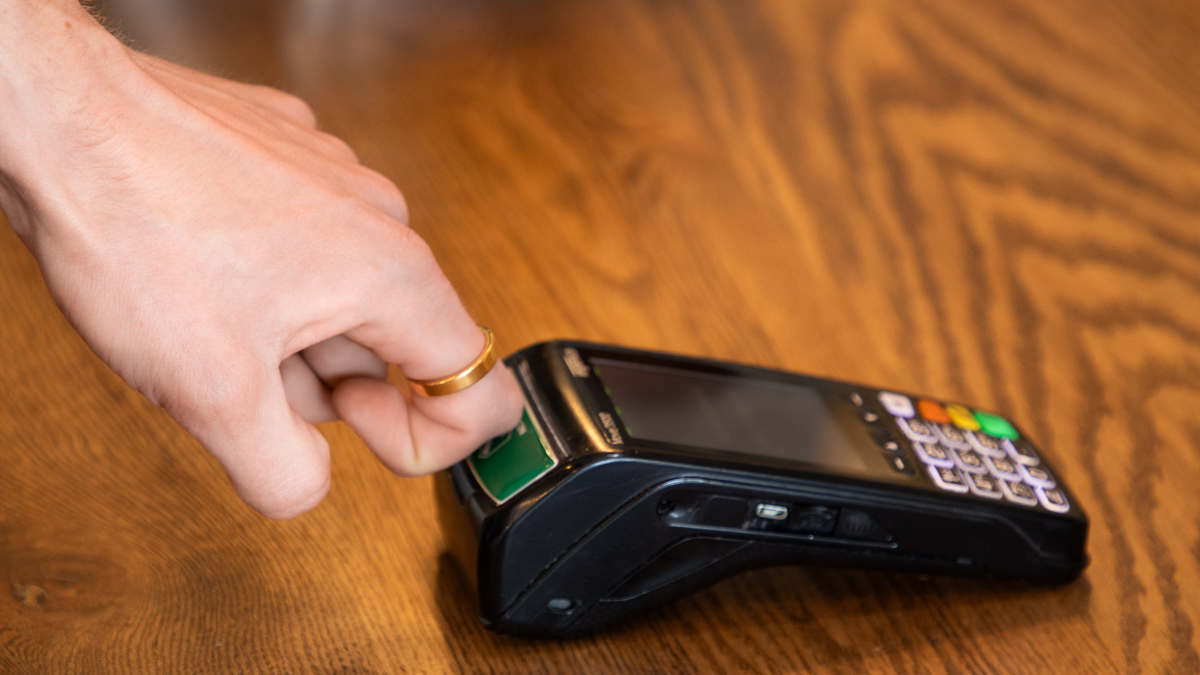
Two years ago, the idea that South Africans would pay for just about anything with a flick of their finger seemed like something out of a fantasy novel. A ring that never needs charging, works with any tap-to-pay terminal, and lets one leave their wallet and phone at home was the kind of pitch that would have been politely dismissed at a fintech meetup.
That ring is now on thousands of fingers across the country, and VezoPay, the startup behind it, has gone on a charm offensive to get the banks to play ball, and while it’s had some luck with some, several hold out. The startup now faces a tricky test to change that.
VezoPay has gone live with Investec and Absa, taking its roster of banking partners to four in under a year. A fifth major retail bank is expected to follow before the end of 2026. FNB and RMB Private Bank came on board in October last year. The company, founded by Jake Pinkus and Lawrence Baker, launched its first rings in July 2024.
VezoPay claims a waiting list of about 35,000 people whose banks are not yet supported. A large chunk of them are customers of an unnamed major retail bank due to launch later this year. It is a clear sign of demand, but also a constraint the company cannot control.
The founders say the bottleneck is not manufacturing or technology but bank onboarding. Each institution runs its own internal governance and approval process, followed by a separate South African Reserve Bank sign-off. FNB’s approval took roughly nine months; Investec’s took about four. And the process has gotten harder, not easier.
Banks are now asking for penetration and stress testing and, in some cases, live international transactions to demonstrate that funds can be traced end to end.
Investec’s rollout offered the clearest sign of demand. The bank ran a discount campaign for private clients, and VezoPay recorded hundreds of sales in the first few days, skewed unusually towards the premium gold models. That suggests the early adopters are not just tech enthusiasts but people who see the ring as a status symbol.
The product line-up now includes three families: the X, a ceramic ring; the Classic, in stainless steel; and the gold Signature, which has been reworked from 21-carat to 18-carat after buyers complained it caught between their fingers. Prices range from ZAR 2,999 for the ceramic X-Ring Slim to ZAR 9,250 for the gold Signature.
Beyond South Africa
VezoPay’s shareholder register tells its own story. Naspers South Africa CEO Phuti Mahanyele-Dabengwa invested early through the Three Birds group. PayFast founder Jonathan Smit came in as investor and adviser in early 2025. The most recent round brought in two former managing directors of listed cybersecurity firm Mimecast. The Three Birds investment is now carried at a multiple of roughly 10 times its original value.
Beyond South Africa, two banks in Mauritius are testing the product, with beta programmes under way in three other African markets. VezoPay says its relationships with Visa and Mastercard have opened doors to issuers elsewhere on the continent.
The fundamental question is whether VezoPay can convert its 35,000-person waiting list into actual revenue before the next wave of wearable payment competitors arrives. Apple has already launched Tap to Pay on iPhone in South Africa. Samsung Pay, Garmin Pay and Fitbit Pay already support Investec cards. The window for a standalone payment ring to establish itself as the default wearable payment method may not stay open indefinitely.