Nigeria Wants Big Tech To Pay Up For News Content Their AI Is Tapping
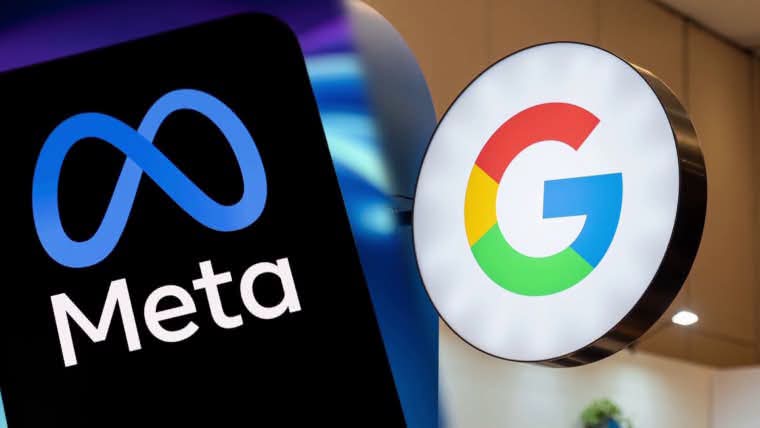
Nigeria’s President, Bola Tinubu, has directed Nigeria’s competition regulator to investigate Meta, Alphabet, X and generative AI platforms operating in the country over allegations that they are exploiting Nigerian news content without fair compensation.
The probe, announced late on Monday by the Federal Competition and Consumer Protection Commission (FCCPC), follows a joint petition by the Nigerian Press Organisation (NPO), an umbrella body representing the country’s major media groups. The media organisations have accused global tech companies of engaging in anti-competitive practices that threaten their commercial viability.
At the heart of the investigation is whether tech companies should pay for the news content they use to train their AI models, a question being asked in newsrooms around the world.
The FCCPC said it will examine whether copyrighted news articles, broadcast materials and other original journalistic content have been “extracted, scraped, ingested or commercially used” without authorisation to develop and train generative AI systems. The commission will also investigate whether Nigerian publishers have been denied “meaningful opportunities to negotiate fair compensation” for the use of their content.
The investigation aims to examine how Big Tech companies are taking advantage of Nigerian-generated content, from news reports to other locally created digital content.
The inquiry covers allegations of abuse of market dominance and anti-competitive conduct. FCCPC Executive Vice Chairman Tunji Bello said the commission would conduct an independent, evidence-based investigation. “We recognise the strategic importance of the media to Nigeria’s democracy and the equally significant role of technology in driving innovation and economic growth,” Bello said.
For Nigeria’s media industry, which has watched advertising revenue migrate to digital platforms for years, the matter is existential. The NPO argued that the practices of big tech companies have “weakened the commercial viability of news publishers and undermined the rights of journalists and content creators”.
The probe aligns Nigeria with a growing global movement. Australia’s News Media Bargaining Code, introduced in 2021, forced Google and Meta to negotiate payment deals with news publishers, resulting in about USD 1 B in payments. Canada’s Online News Act, passed in 2023, pushed Google into a USD 73 M annual payment agreement. In South Africa, Google agreed to pay ZAR 688 M (about USD 40 M) annually for between three and five years following an investigation by the country’s competition commission.
This is not Nigeria’s first confrontation with big tech. In 2025, the FCCPC secured a settlement after a legal battle with Meta over data privacy violations.
The investigation signals that the era of freely scraping Nigerian content may be coming to an end for Meta, Google and the AI platforms now in Nigeria’s crosshairs.