Kenyan Court Delivers Blow To Unlicensed Loan Apps Seeking Debt Repayment
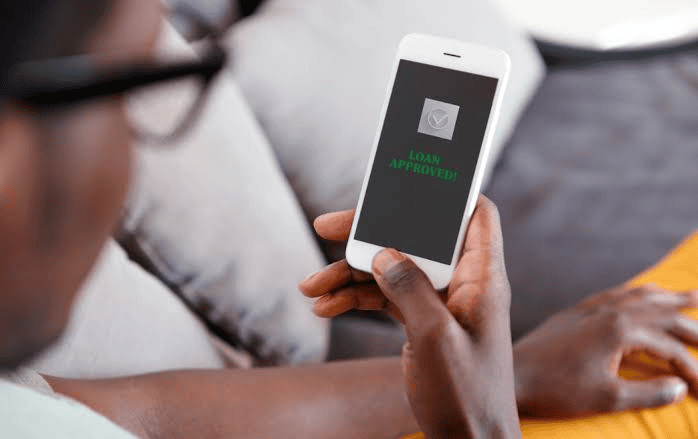
Getting a loan in Kenya is often as easy as downloading an app. There’s no need for paperwork, collateral, or questions asked. The money lands in the borrower’s M-PESA account within minutes. But there’s always a catch, and this often means borrowers have to hand over access to their contacts, messages, and call logs. A missed payment means one’s entire phonebook would get a text message shaming them.
Kenya has tried to fix this. In 2022, it started requiring digital lenders to get a license from the Central Bank. The idea was to separate the legitimate operators from the ones that were basically running digital shylock operations. Two hundred and fifty-two lenders got licensed. Hundreds more did not.
But the unlicensed lenders kept lending anyway. And when borrowers stopped paying, they went to court. Last week, a Nairobi Small Claims Court told them they cannot do that anymore.
In two separate cases, Tri-State Capital Limited and Mombo iCapital Limited tried to recover unpaid loans from borrowers. The amounts were not huge: KES 500 K (USD 3.85 K) and KES 162.3 K (USD 1.252 K), respectively. Before even looking at whether the borrowers actually owed the money, Resident Magistrate Gladys Kiama asked a more fundamental question: were these companies legally allowed to be lending in the first place?
Neither could prove it held a CBK licence. Both cases were struck out.
The ruling does not mean borrowers can simply ignore debts they genuinely owe, the court held. What it means is that those running a loan app without a licence cannot walk into a courtroom and expect the judicial system to enforce their contracts.
For the hundreds of loan apps still operating without licences, this changes the math considerably. Getting a licence was already a regulatory requirement. Now it is also the difference between having legal recourse when borrowers default and having none at all. For borrowers, it is a measure of protection against lenders who never followed the rules in the first place.
The ruling also follows a separate Small Claims Court decision earlier this month that barred digital lenders from recovering excessive interest and unexplained charges from borrowers, reinforcing the application of the in duplum rule under the Kenyan Banking Act. In one case, the court ruled against a vehicle financing company after a KES 400 K loan ballooned to KES 976.75 K.
Kenya’s licensing push was designed to fix problems that had long plagued the digital lending market, such as high interest rates, aggressive debt collectors, and the misuse of borrowers’ personal data. The framework is meant to ensure that only operators meeting minimum standards can legally run loan businesses in Kenya.