Digital Payments (Finally) Catch On In Nigeria’s Peculiar Food Hubs Upnorth
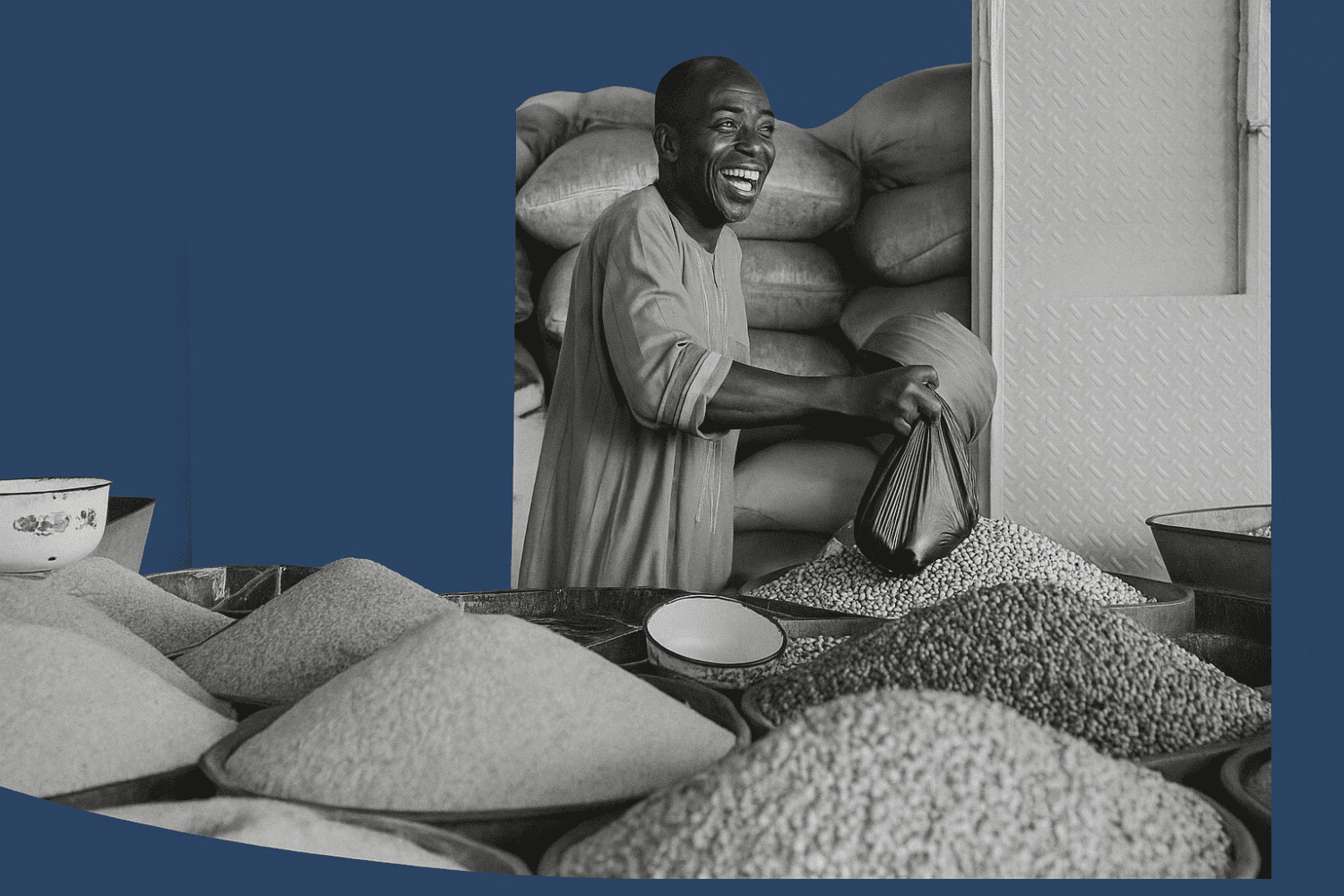
Isiaka used to walk the dusty paths between his pepper fields and the local market with bundles of cash; a familiar, dangerous weight. In Zabarmari, a region in Borno State scarred by conflict in Nigeria’s volatile Northeast, carrying cash was a risk.
“Before, we carried wads,” he says simply. Now, he watches his phone. The chime of a credit or debit alert signals a safer, faster payment for his harvest. “Now, I use transfers and get alerts instantly.”
Isiaka’s shift mirrors a quiet, pragmatic revolution unfolding in one of Nigeria’s most challenging economic landscapes. According to a new study by Nigerian financial services unicorn Moniepoint, farmers and traders in Nigeria’s northeast – the nation’s beleaguered breadbasket – are increasingly turning to digital payments as a practical shield against instability and theft.
“What’s happening in the Northeast today is significant. Farmers and traders who were once excluded from formal systems are now part of a national digital network, able to access capital, manage risk, and grow,” notes Tosin Eniolorunda, Co-Founder/CEO of Moniepoint, which boasts over 10 million customers.
This region, vital for Nigeria’s food security yet reeling from a decade-long conflict costing over USD 100 B, remains dominated by smallholder farmers like Isiaka. Over 80% cultivate less than two hectares, producing nearly 90% of Nigeria’s food.
Their lifeline is the intricate web of informal markets, where trust has long been the only contract. Buyers order hundreds of cattle from Gamboru’s Kasuwan Shanu market via voice notes and phone calls; deals worth millions hinge on reputation alone, with handwritten ledgers or memory as the only record.
Yet, amid this resilience, digital tools are slowly, steadily gaining ground. Moniepoint’s research reveals that over 45% of traders in Borno State now accept digital payments. Mobile transfers account for 28.6% of transactions, while Point-of-Sale (POS) terminals make up 17%. This adoption surge, the study notes, accelerated dramatically after Nigeria’s crippling 2023 cash shortage laid bare the perils of relying solely on physical Naira.
The driver isn’t flashy fintech evangelism, but necessity and tangible benefit. For livestock traders navigating seasonal booms – like the 400% spike in goat prices during Eid al-Adha – digital payments offer speed and security when dispatching truckloads of animals to major cities like Lagos or Port Harcourt.
For farmers like Isiaka, it means escaping the vulnerability of cash. “Digital tools have reduced theft, simplified accounting, and made payments safer,” he explains. The instant confirmation of an electronic transfer replaces anxious journeys with cash tucked away.
This adoption is patchwork, woven into existing practices rather than replacing them. Informal credit persists. Trust remains paramount. But digital rails are adding a layer of efficiency and security to the region’s economic engine.
“The story of Nigeria’s food chain is a story about people. Our role is to empower them with tools that are built for their reality.” Eniolorunda emphasises.
Moniepoint, operating with agents fluent in local languages, highlights its strategy: meet users where they are. Their POS terminals and mobile transfer options plug into the existing, trust-heavy flow of goods – grains, livestock, peppers like Isiaka’s – from hubs like Maiduguri across Nigeria.
“By providing secure, reliable, and instant payment solutions, we are helping to de-risk their operations and connect them to the broader national economy. The data shows that when you build on the organic, trust-based networks that already exist, you don’t just support socio-economic development, you accelerate it,” says the Moniepoint boss.
The implications stretch beyond individual safety. With the agricultural sector contributing nearly a quarter of Nigeria’s non-oil GDP, integrating its most vulnerable producers into the digital economy is foundational for growth. As these farmers and traders cautiously embrace the chime of a payment alert, they’re building a more resilient lifeline for themselves, and for the nation’s food supply, one secure transaction at a time.