South Africa’s Shoprite Chain Announces Exit From Ghana, Malawi Markets
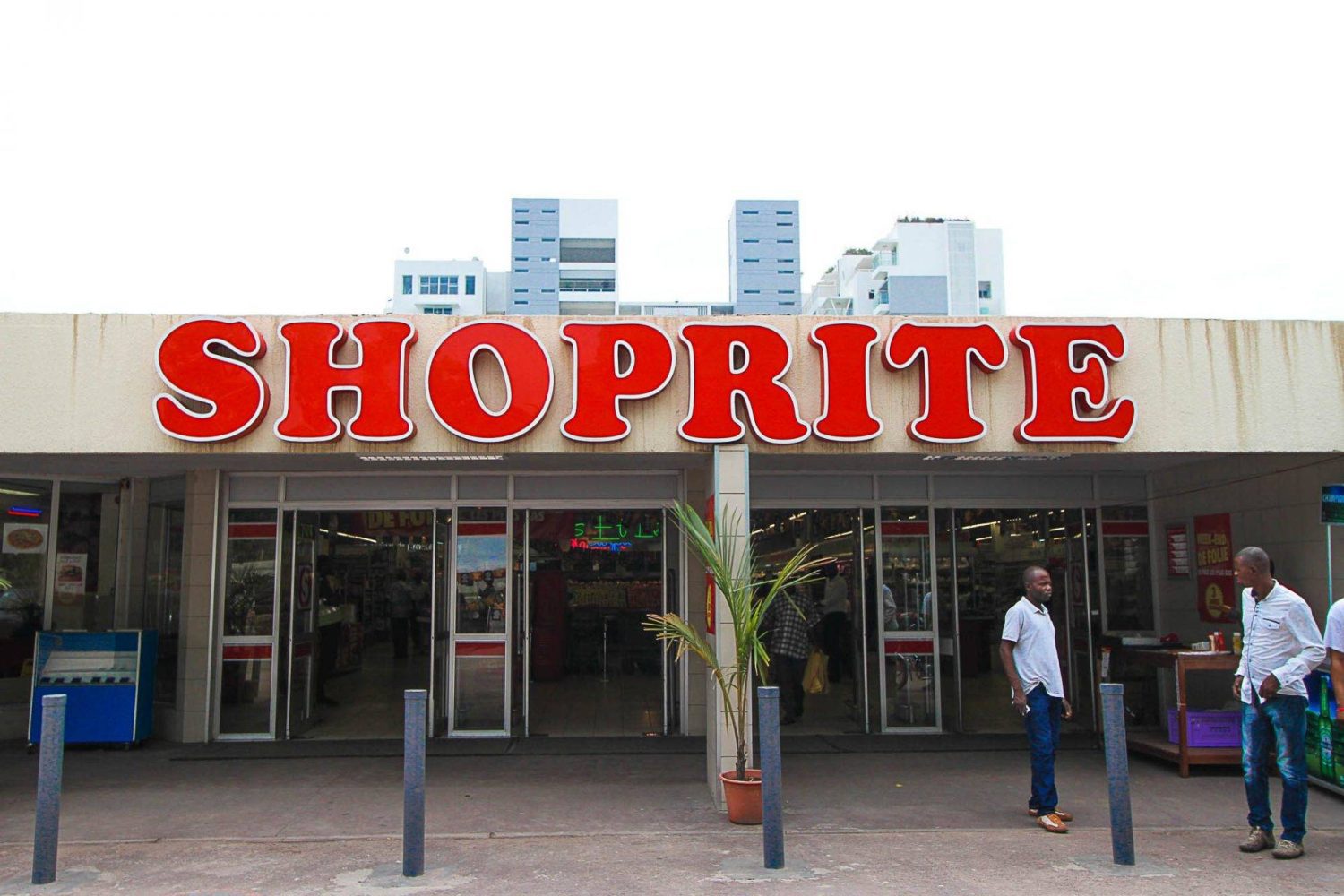
South Africa’s Shoprite has announced its exit from Ghana and Malawi. This latest move by the supermarket chain illustrates the challenges many South African retailers and manufacturers have faced penetrating other African markets over the years.
Shoprite, which once displayed ambitious plans to expand all over Africa, says the decision to sell its five stores in Malawi to Karson Investment Trust, and its seven stores and warehouse in Ghana after receiving a binding offer, follows similar exits from Nigeria, Kenya, the Democratic Republic of Congo, Uganda, and Madagascar.
The company’s initial forays into these markets were driven by optimism, but years of multi-year losses and tough trading conditions have forced a strategic reset. For Shoprite, the core problems in these markets included significant currency depreciation, soaring inflation, and high operational costs tied to dollar-based leases and import duties.
Other major South African companies that have faced similar headwinds, leading them to either close down or significantly scale back their operations, include retail and wholesale giant Massmart (majority-owned by Walmart), which has been systematically exiting East and West Africa. Its Game stores were shut down in Kenya, Uganda, and Tanzania, and the company also withdrew from Nigeria and Ghana. Another of their subsidiaries, Builders Warehouse brand, also closed its sole store in Nairobi, Kenya, after less than three years in operation. Like Shoprite, Massmart cited a mix of currency volatility, supply chain disruptions, and the difficulty of localising products as key reasons for their struggles.
Another supermarket chain, Pick n Pay, withdrew from the Nigerian market in October 2024, selling its stake in a joint venture. Tiger Brands, a fast-moving consumer goods company, previously sold its stake in its Kenyan venture, Haco Industries, citing the difficulty of aligning with their core brand-ownership model.
The collective retreat from these markets signals a pivot in strategy for many South African businesses. The initial ambition of a wide-ranging pan-African presence has given way to a more pragmatic, risk-managed approach focused on domestic growth and a select few markets where they can maintain tighter control and profitability. The challenges of high inflation, volatile exchange rates, and complex local regulations have proven too great to overcome, leading these companies to conclude that the grass is no longer greener outside of South Africa.
Featured Image Courtesy: Voila Night