Nigeria’s Soaring Fintech Giants Left Unsettled & Uncertain By Sudden Shakeup
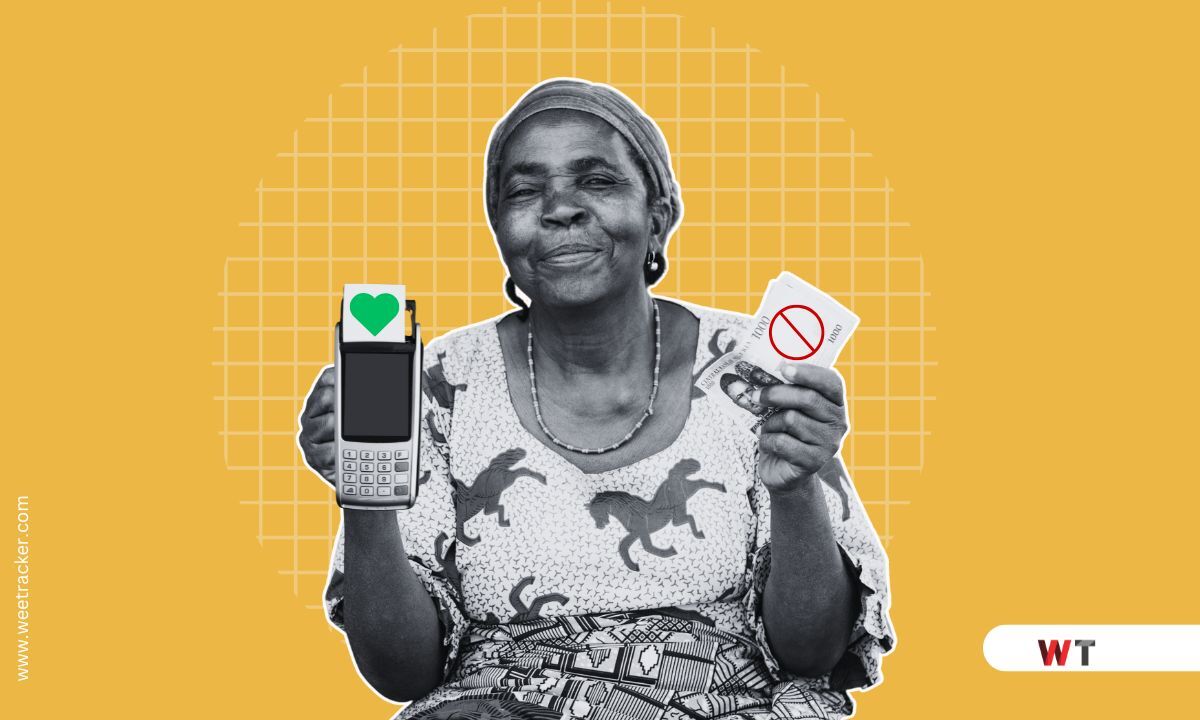
For years, Nigeria’s Point-of-Sale (POS) networks have been the unlikely backbone of its financial inclusion story. From crowded Lagos bus stops to remote villages, agents with handheld terminals became the face of cash access as banks shut branches and ATMs ran dry.
By early 2025, more than 5.9 million active POS terminals were handling trillions of naira in quarterly transactions, turning companies like Moniepoint, OPay, and PalmPay into household names.
That foundation is now being tested. A new directive from the Central Bank of Nigeria has thrown the country’s booming agent banking industry into confusion. The circular, issued in late August, requires all POS terminals to be geotagged within a 10-metre radius of their registered address, mandates stricter compliance with ISO 20022 messaging standards, and routes devices through certified Payment Terminal Service Aggregators.
The goal, regulators say, is to clamp down on fraud and align Nigeria’s payment systems with international norms as the country remains on the Financial Action Task Force grey list.
Inside the industry, the mood is unsettled. One executive at a leading fintech, who asked not to be named, described frantic internal meetings in the days after the circular landed. “There’s a lot of uncertainty, ambiguity, and lack of clarity,” the executive told WT.
“It’s the case across the industry; no one fully understands how to go about it. We’re calling tech partners, probing, asking questions. Right now there’s just a lot of confusion. But we’ve always complied with CBN directives, and we are working on it.”
That sentiment echoes what others say privately, though most companies declined to comment publicly as they parse the details. The short timeline for compliance—just 60 days—has left operators scrambling. Retrofitting millions of devices with GPS capability, upgrading software, and remapping agent networks would be daunting in any market, let alone one as sprawling and informal as Nigeria’s.
POS agents have become essential in bridging the country’s financial access gap, especially after the cash shortages that rocked Nigeria in 2023 and exposed just how fragile traditional banking infrastructure had become. The rapid expansion of agent networks was hailed as proof of fintech’s ability to fill structural holes left by banks. Now, the very scale of that success has brought greater regulatory scrutiny.
Analysts say the new rules could accelerate consolidation. Larger players with deeper technical resources may absorb the costs, while smaller operators could be pushed out of business. There is also concern about unintended consequences: in markets, bus parks, or fuel stations where agents move around to capture demand, a rigid 10-metre radius could disrupt the way cash services actually function on the ground.
The central bank’s push comes against a broader backdrop of reforms. Nigeria has been under pressure to show progress on anti-money laundering and terrorist financing controls, and geospatial monitoring of POS devices is one way to demonstrate that. However, for the millions of Nigerians who rely on neighbourhood agents for everyday cash and transfers, the immediate effect may be fewer access points and higher transaction friction, at least in the short term.
For now, industry players are keeping their heads down, trying to untangle technical details and prepare for enforcement deadlines. Whether this turns into a painful but necessary reset or sparks a wave of disruption that undermines financial access will become clearer in the months ahead. What’s certain is that Nigeria’s POS boom has reached a turning point, and the rules of the game have changed.