Coca-Cola’s Bitter Pill: South Africa’s Bottler Announces Plan To Lay Off 680 Employees
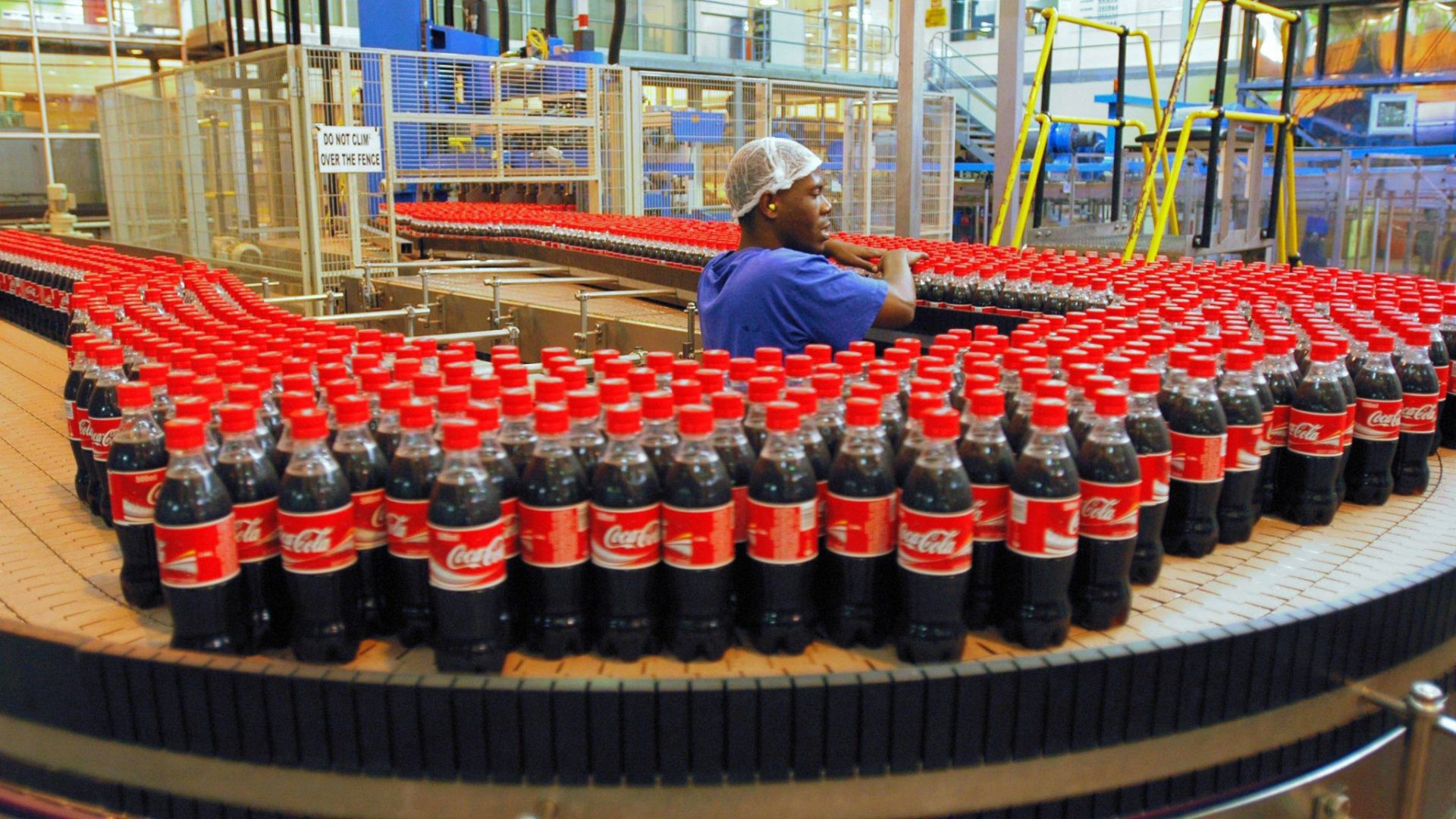
Coca-Cola Beverages South Africa (CCBSA) has announced plans to lay off around 680 of its employees. The beverage manufacturer, which is the country’s bottling partner for the global entity Coca-Cola, says the move is due to changing market conditions and resulting financial constraints.
According to national broadcaster South African Broadcasting Corporation (SABC), the restructuring will include the closure of two bottling plants of the 36 the bottler operates across the country, and affect staff in administrative, distribution and support roles.
The broadcaster also reports the company has “committed to supporting affected employees with a generous separation package.”
Of particular concern is the decision to lay off mostly cleaning staff, who are said to represent 9 per cent of the bottler’s 7,700 employees.
Food and Allied Workers’ Union (FAWU) of SA has protested this retrenchment exercise, saying cleaning remains a critical part of any food and beverage operation, and laying off members of this department may affect production quality and standards.
The union is also protesting the bottlers’ move to approach individual employees over their retrenchments rather than consult with the Union before beginning the exercise.
Coca-Cola’s Head of Communication, Motshidisi Mokwena, told news site IOL: “Our priority is to support affected colleagues with fairness, transparency, and compassion during this process. Consultations are underway, and no final decision has been made.”
These layoffs add to a raft of job cuts the country has seen this year, including those in the automotive, mining, and steel-manufacturing sectors. Businesses such as commodities provider Glencore, for example, is in the process of retrenching its businesses, with 3,000 jobs at risk.
Tyre manufacturer Goodyear has shut down its production facility in the country, with 900 jobs lost, while Ford Motor Company South Africa is set to lose 474 employees. Businesses cite challenges such as rising import costs and subsequent diminished returns, frequent power cuts, and logistics difficulties as the reasons for these job losses.
Featured Image Courtesy: Financial Times