Latest World Bank Port Index Reveals Africa’s Shipping Struggles and Successes
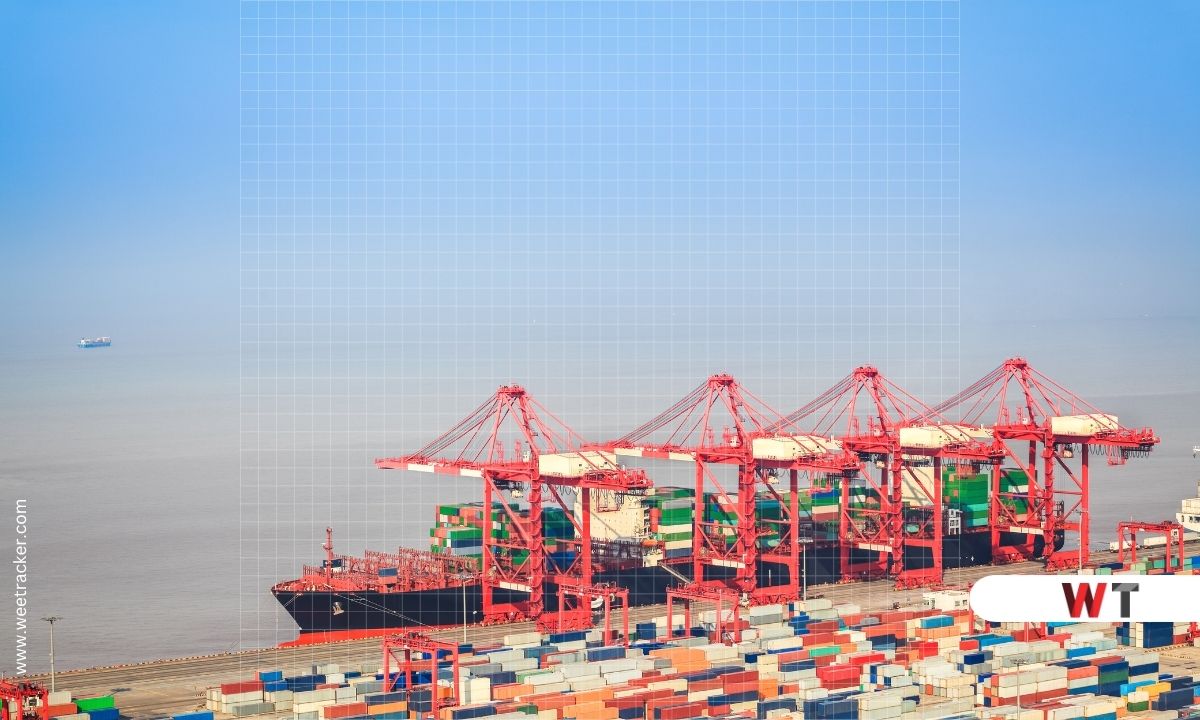
The state of Africa’s global trade gateways is a study in contrasts, according to the latest Container Port Performance Index (CPPI 2020-2024), released by the World Bank and S&P Global Market Intelligence in late September 2025.
Some African ports – largely those in North Africa – have been strong performers until the Red Sea Crisis of 2024. Meanwhile critical hubs in Sub-Saharan Africa (bar West Africa) are struggling with inefficiency and hinterland logistics.
The CPPI, which measures the total time a vessel spends in port, revealed that performance across the continent is highly varied, reflecting different levels of investment and operational reform.
North and West Africa host this evaluation period’s most efficient African ports. Egypt’s Port Said has been crowned the continent’s new leader, thanks to structural reforms and operational upgrades.
Morocco’s Tanger-Mediterranean maintained its status as a world-class facility, securing a spot in the global top five most efficient ports, benefitting from advanced infrastructure and strong integration into global shipping routes.
In Sub-Saharan Africa, Dakar, Senegal, is emerging as a leader in the shipping logistics arena, establishing itself as the most efficient performer in the region. However, the surprise was the port of Mogadishu, Somalia, emerging as East Africa’s most efficient gateway, outperforming traditional regional rivals like Djibouti and Mombasa.
In the interim, Africa’s traditionally strongest ports – all located in South Africa – performed dismally during the data period, emerging as the least efficient globally. Durban was the least performing of all ports worldwide (at position 403) with Ngqura (Coega) and others placing marginally higher in the bottom 10.
The primary reason for this was the excessive amount of time ships spent queuing to get to the berth, a bottleneck often caused by equipment shortages, poor scheduling, and landside congestion, rather than slow work once they began loading or unloading. According to the report, these structural and operational challenges continue to undermine South Africa’s trade competitiveness.
Despite the low overall rankings for South Africa, the Port of Cape Town was celebrated as one of the strongest global improvers, dramatically boosting its CPPI score in 2024. These gains were directly linked to targeted investments, improved digital links with customs and logistics partners, and better operational scrutiny of crane deployment and handling hours. Coega also showed significant recovery, reflecting its successful adaptation to the increased traffic diverted around the Cape of Good Hope due to the Red Sea crisis.