How Africa Is Powering the Future With Electric Vehicles
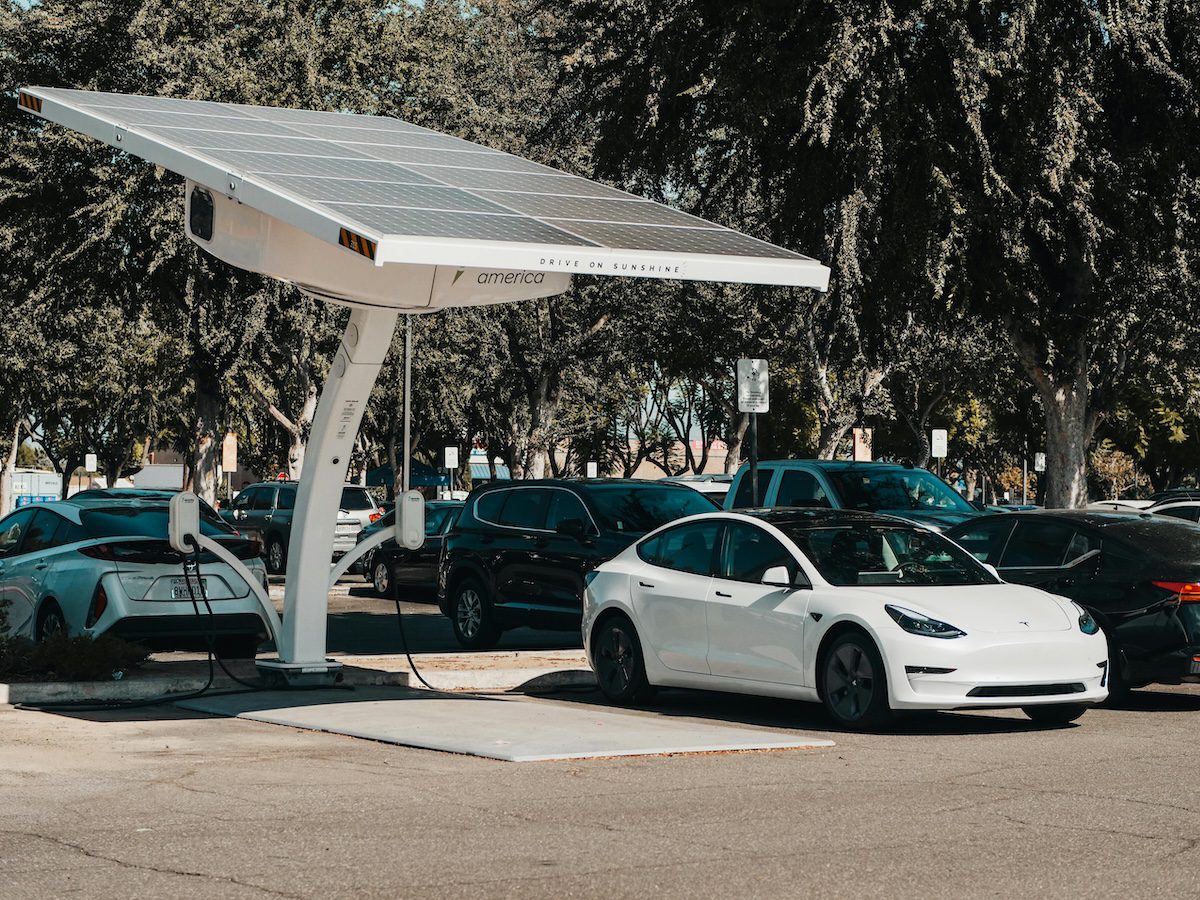
Africa’s journey toward electric mobility is gaining impressive momentum. Once considered a distant vision, electric vehicles (EVs) are now transforming transportation across the continent. Rising fuel prices, environmental awareness, and rapid technological progress are encouraging people to shift toward cleaner mobility solutions.
This shift is clearly visible in the region’s promising EV outlook. As per Statista, Africa’s electric vehicle sales could cross 7,000 units by 2030. The market may generate about $263 million in revenue by 2025 and grow nearly 8.5% annually through 2030. These figures show strong investor and consumer confidence in green mobility.
Governments, automakers, and start-ups are working together to strengthen the shift toward electric mobility. Incentives, charging networks, and green policies are helping create a cleaner and more efficient transport system. Africa is proving that progress and sustainability can move together.
This blog post aims to explore how the continent is embracing the electric future with speed and purpose.
Growing Awareness and Demand for Electric Mobility
Public interest in electric vehicles is rising steadily across African nations. More urban residents are becoming aware of environmental challenges and looking for alternatives that reduce emissions. The increasing price of fossil fuels has further encouraged people to explore electric mobility. Consumers now understand that EVs provide long-term savings and reduced maintenance costs compared to traditional vehicles.
The increasing price of fossil fuels has further encouraged people to explore electric mobility. Consumers now understand that EVs provide long-term savings and reduced maintenance costs compared to traditional vehicles. This awareness is also motivating local manufacturers to create affordable, efficient, and eco-friendly electric models suited for African conditions.
Electric vehicles are also prone to accidents. A study shows that EV drivers face higher at-fault accident risks, with repair costs about 6.7% higher due to costly battery components. Regardless of who is at fault, legal guidance becomes crucial after an accident. A car accident lawyer helps victims manage insurance claims and settlement procedures efficiently.
TorHoerman Law emphasises that such lawyers possess the expertise to secure fair compensation for accident victims. They also help reduce post-accident stress by handling complex negotiations and legal documentation. This professional support allows EV drivers to focus on recovery while ensuring accountability is maintained.
Government Policies Powering the EV Transition
Across Africa, governments are becoming key drivers of the electric mobility revolution. Policies promoting clean energy, green infrastructure, and sustainable investment are transforming national transport systems. Countries are realising that electric vehicles can reduce emissions, create jobs, and strengthen long-term economic stability.
Several African nations are already taking decisive action to support this transition. Kenya and Rwanda have introduced tax reductions on EV imports. Plus, South Africa plans to invest about $54 million to boost local production of electric vehicles, batteries, and supporting manufacturing initiatives. Such incentives make EVs more accessible to the public and encourage investors to support local innovation.
The continent is also seeing broader policy frameworks aimed at long-term electrification goals. Energy transition strategies are being integrated into national development plans to align transport with sustainability targets. These policies show that Africa views the EV movement as an essential part of its economic and environmental future.
Many African nations are also strengthening partnerships with global organisations and private investors to accelerate this transition. These collaborations aim to improve charging networks, promote local innovation, and ensure affordable access to electric mobility. With consistent policy direction and regional cooperation, Africa’s journey toward sustainable transportation continues to gain steady momentum.
Consumer Trends Driving EV Adoption
The demand for electric vehicles in Africa is rising as more people recognise their practical and environmental benefits. Consumers are becoming aware of how EVs reduce emissions and help build cleaner, healthier cities for future generations. This growing awareness is changing purchasing behaviour across urban and semi-urban regions.
Economic factors also influence this transition. The rising cost of fuel and maintenance is encouraging many to explore electric alternatives. Buyers now view EVs not only as eco-friendly options but also as smart long-term financial investments. This shift is reshaping how Africans approach mobility and energy consumption.
Accessibility and awareness campaigns are also helping build confidence in electric transportation. Local dealerships, social media influencers, and sustainability programs are educating citizens about EV advantages. These efforts are helping consumers overcome initial doubts and adopt cleaner, future-ready vehicles.
According to a Deloitte study, 75% of South African consumers prefer EVs because of lower fuel costs. About 67% are motivated by environmental benefits and the desire for cleaner transportation. Nearly 49% enjoy the smoother driving experience, while 44% value health advantages and 43% appreciate reduced maintenance needs. These factors show how practicality and sustainability are shaping Africa’s interest in electric mobility.
Expanding EV Infrastructure to Meet Rising Demand
Africa’s growing appetite for electric mobility has made charging infrastructure development a top national priority. As adoption increases, reliable and accessible charging stations are becoming essential to support daily commutes and commercial transportation. Without adequate infrastructure, the EV transition could face serious limitations despite strong consumer interest and policy backing.
Several African cities, including Nairobi, Lagos, and Johannesburg, are now investing heavily in charging networks. Governments and private firms are collaborating to install fast-charging hubs in urban centres, highways, and residential zones. Renewable energy sources, especially solar, are being integrated to ensure these networks remain affordable and sustainable over time.
Regional cooperation is also gaining pace as countries plan shared EV corridors across borders. This collaboration aims to ensure seamless long-distance travel and uniform charging standards across the continent. By combining infrastructure planning with renewable energy projects, Africa is building the foundation for an inclusive and connected transport ecosystem.
A study in ScienceDirect found that Africa could cut average emissions by 54% with battery electric vehicles and 50% with plug-in hybrids. Even the least-performing nations could achieve at least a 30% reduction. This demonstrates that expanding EV infrastructure not only supports mobility but also accelerates the continent’s climate goals for a cleaner future.
FAQs
1. What role can renewable energy play in supporting Africa’s electric mobility growth?
Renewable energy can power EV charging stations affordably. Solar and wind energy reduce dependence on fossil fuels. They also stabilize electricity costs in developing regions. Using renewables ensures cleaner transport and supports consistent power access for charging, even in remote areas with weak grid infrastructure.
2. How can local communities benefit economically from electric vehicle expansion?
EV adoption creates new local business opportunities. Entrepreneurs can manage charging points and maintenance centers. Battery recycling also generates steady income sources. Small transport companies benefit from lower fuel costs. Together, these developments strengthen regional economies and promote sustainable, community-based growth.
3. What innovations are emerging in Africa’s electric vehicle market?
Start-ups are designing EVs suited for African roads. Compact electric bikes and tuk-tuks are gaining popularity. Portable solar chargers and battery-swapping systems improve accessibility. These innovations fill infrastructure gaps and make electric mobility practical. They highlight Africa’s growing role in developing smart, affordable transport solutions.
Africa’s adoption of electric vehicles is moving faster than many expected. Innovation, supportive policies, and growing awareness are fueling this transformation. From solar-powered charging stations to locally assembled vehicles, progress is evident across the continent.
As infrastructure strengthens and costs decline, the electric revolution will reach even more communities. Africa’s journey toward sustainable mobility is not just about technology – it is about shaping a cleaner, smarter, and more resilient future for all.