Visa Joins Amazon & Google In SA Data Centre Rush Amid Wider Pressures
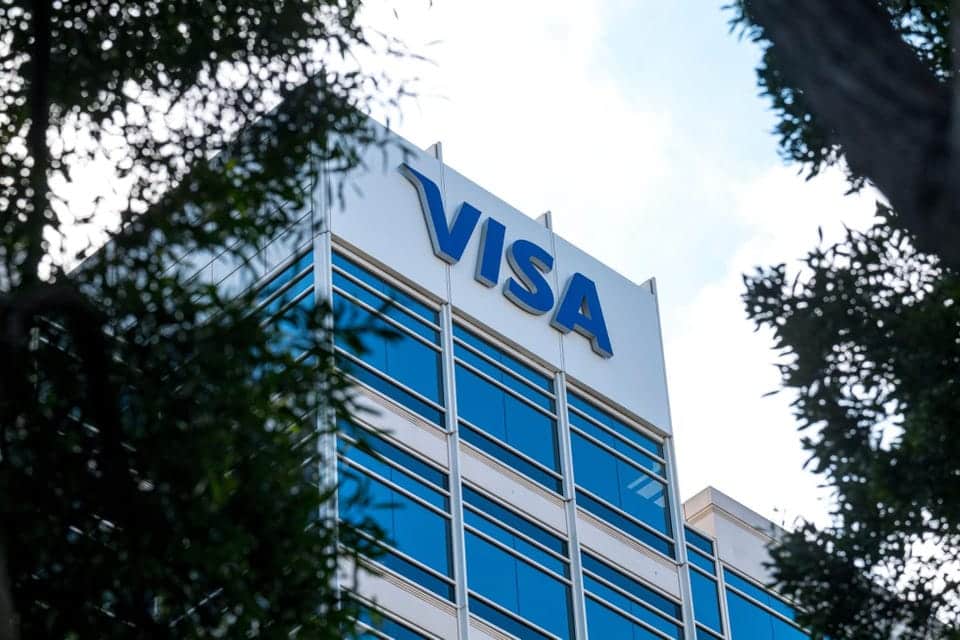
Global payments giant Visa flipped the switch on its first African data centre on Wednesday. Nestled in Johannesburg, the facility represents a strategic bet on Africa’s booming digital payments, and a tacit nod to a continent-wide revolution shaping up as the fierce pursuit of data sovereignty.
Visa’s USD 57 M hub is part of a broader billion-rand investment in South Africa, a deliberate move outside its traditional strongholds in the U.S., UK, and Singapore. “This is evidence of our commitment to the continent’s growth,” declared Michael Berner, Visa’s Head of Southern and East Africa, speaking at the launch.
The timing is critical. Africa’s digital payments are projected to hit USD 1.5 T by 2030, fueled by surging internet access and financial inclusion. In South Africa alone, contactless payments dominate over 60% of face-to-face transactions. Visa’s local chief, Lineshree Moodley, sees Johannesburg as a “launch pad” for solutions across Africa.
Visa’s arrival places it alongside tech titans Amazon, Microsoft, and Google, who have also chosen South Africa for their African data centres. But their presence here highlights a noticeable contrast playing out across the continent. From Nigeria to Kenya, developing nations are demanding that global companies store citizens’ data locally, challenging decades of data extraction by Big Tech.
“Countries feel the economic benefits from their data should flow back home,” World Bank economist Sharada Srinivasan told Rest of World recently.






The concern? Trillion-dollar valuations built offshore using local data, with minimal local return. Nigeria exemplifies the pushback. After four years of unmet promises from Google, Microsoft, and Amazon to build local centres, tech regulator Kashifu Inuwa Abdullahi drew a hard line: “No more waivers.”
Nigeria has formed a working group, demanding concrete deadlines. The regulator wants them to invest in infrastructure to meet the country’s sovereign needs, or be shut down.
Building Walls & Facing Hurdles
The drive for control is fueling massive infrastructure investment. The African Development Bank is a key funder, backing projects like Congo’s USD 77 M national data centre and a USD 60 M tech park in Cabo Verde.
Investment firm Africa50 and the IFC are pouring millions into facilities in Egypt and the pan-African operator Raxio Group. South Africa’s market, valued at USD 2.28 B in 2023, could attract USD 3.7 B by 2029, lured by its consumer market, tech sector, and crucially, supportive regulations for local storage.
Yet, sovereignty faces complex realities. There are concerns that even with local storage, foreign firms often remain the primary beneficiaries, creating security vulnerabilities. Attracting investment beyond South Africa remains tough as countries must prove stable laws, robust infrastructure (like reliable fibre optic networks), and sufficient demand to justify costly centres.

Nevertheless, demand for local cloud services is rising, driven by cost and sovereignty awareness. Visa’s Johannesburg centre, while serving its global VisaNet network processing over 100 billion transactions, aligns with what South African Communications Minister Solly Malatsi’s describes as reducing “reliance on overseas infrastructure and boost[ing] our national financial sovereignty.”
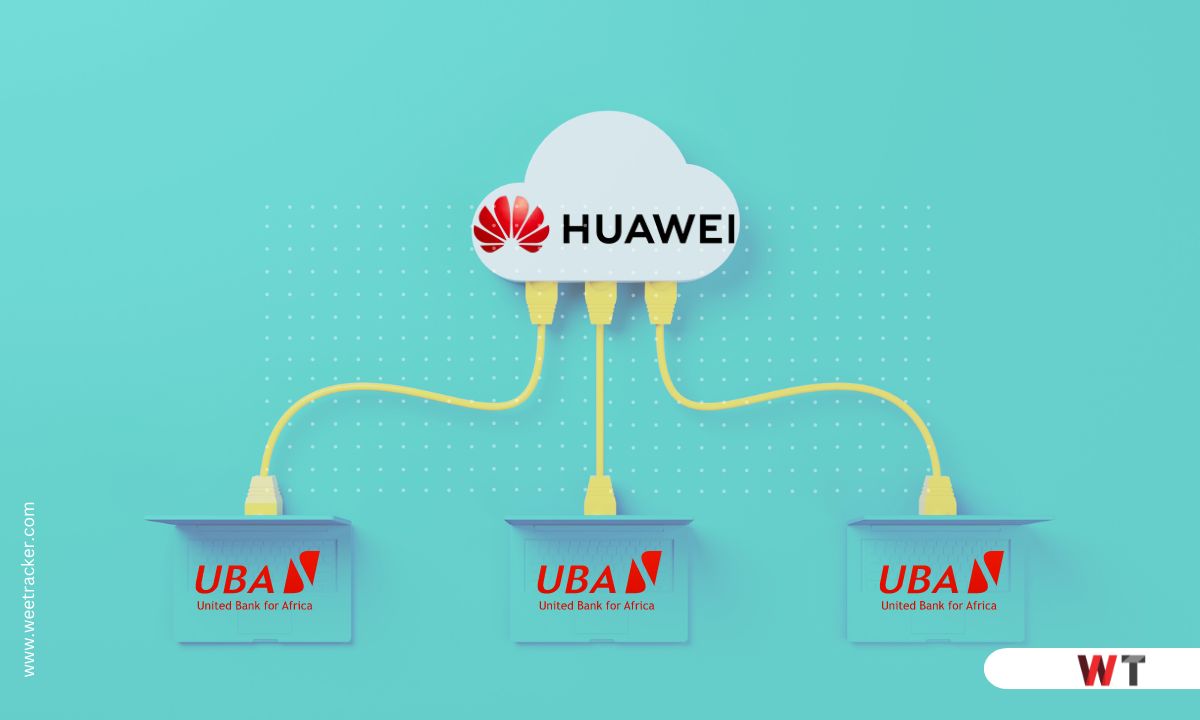
Despite hurdles, momentum is building. Local providers such as MainOne, Rack Centre, and Huawei meet international standards in Nigeria. Telecom giant MTN just launched a USD 235 M data centre and cloud service in Nigeria that it boasts is West Africa’s largest, aiming to rival global giants.