Opportunities and Challenges in Africa’s Digital Entertainment Market

The global shift toward digital media is undeniable. According to Grand View Research, globally, this market was valued at $832.99 billion in 2023, and it is projected to surpass $1.9 trillion by 2030.
Africa is not merely participating in this boom. It is emerging as a rapidly accelerating frontier. Driven by the world’s youngest population and increasing smartphone penetration, the continent’s digital entertainment market is poised for transformative growth.
However, this dynamic landscape presents a duality of immense opportunity and persistent challenges.
This article discusses the key opportunities and challenges shaping Africa’s digital entertainment market today.
The Digital Revolution Transforming African Entertainment
Africa is experiencing a digital renaissance, fundamentally reshaping its entertainment market. This boom is fueled by dramatically increased internet accessibility, with users more than doubling since 2015 to reach around 570 million in 2022 (Statista). Nigeria leads this growth with over 100 million users.



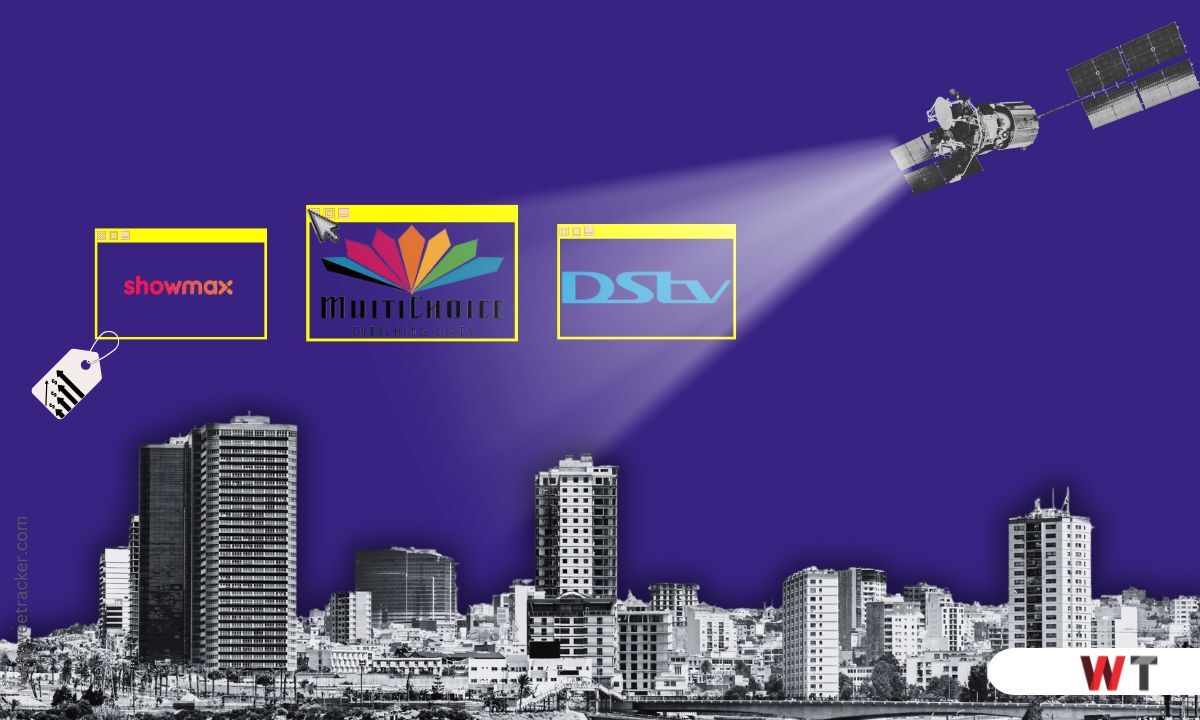

This connectivity drives the explosion of content, like:
- Music streaming: Platforms like Boomplay, Spotify, and Apple Music leverage the continent’s rich musical heritage, propelling African artists to global fame.
- Video streaming: Platforms are heavily investing in authentic, original African narratives.
- Mobile gaming: Low barriers to entry and improving infrastructure have created a thriving mobile gaming and esports ecosystem, highly popular among the youth.
Despite this rapid advancement, driven by improved infrastructure and mobile adoption, the continent is still far from realising its full digital entertainment potential.
Infrastructure and Connectivity Challenges
Africa’s digital market is constrained by significant infrastructure and affordability hurdles. Inconsistent connectivity and the prohibitive cost of data limit sustained engagement. A major barrier is the affordability of devices. For the poorest 20% in Sub-Saharan Africa, an entry-level mobile device costs nearly an entire month’s average income (95%).
While the affordability of data packages is improving, the digital divide persists. Sub-regional variation is immense. The coverage gap is 36% in Central Africa, versus 11–14% elsewhere. Conversely, mobile internet adoption is highest in Southern Africa (33%).
Compounding this are frequent power outages and a fragmented regulatory landscape across 54 countries. Entertainment companies must optimise content for low-bandwidth environments and innovate with offline viewing capabilities to ensure equitable access.
Revenue Strategies and Digital Payment Solutions
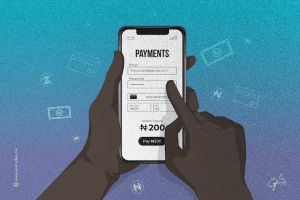
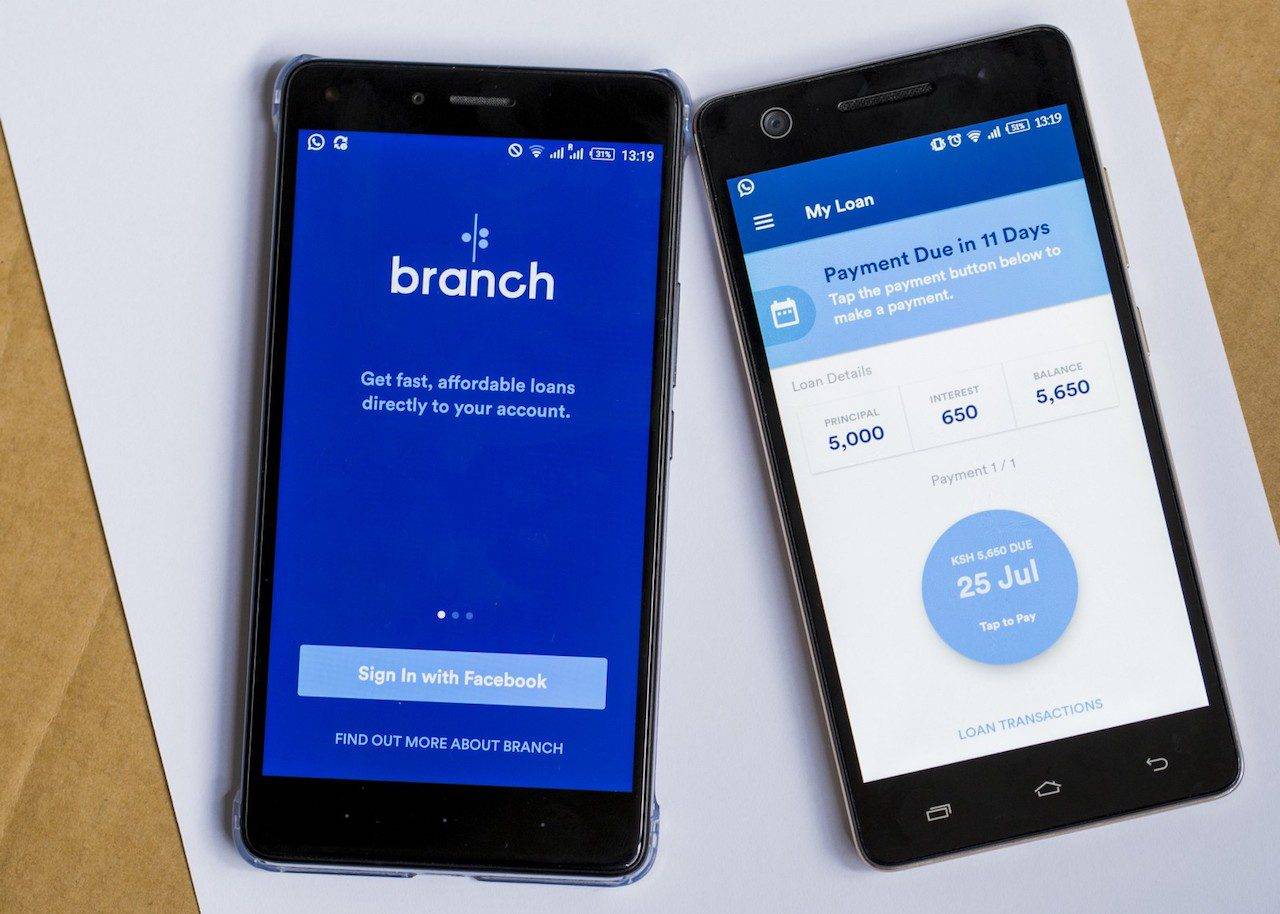
The lack of consistent disposable income and the prevalence of cash-based economies make traditional subscription models challenging in Africa. Consequently, developing sustainable monetisation models is critical. Companies are leveraging mobile money platforms like M-Pesa, which circumvent traditional banking infrastructure and enable effective micro-payments.
However, payment fragmentation across the continent necessitates integrating multiple payment gateways, increasing operational complexity and cost for providers.
Advertising-supported (Ad-supported) models offer promise but face hurdles, including smaller local advertising markets and limited data for effective targeting. Despite these complexities, the adoption of mobile money and the experimentation with flexible pricing structures are key to unlocking revenue potential.
Regulatory Considerations and Responsible Growth
As Africa’s digital entertainment market matures, evolving regulatory frameworks are increasingly shaping industry operations. Governments are introducing content regulations, data protection laws, and taxation policies, requiring companies to carefully navigate local compliance and cultural sensitivities.
Online gaming and betting platforms face heightened scrutiny as they balance revenue opportunities with consumer protection. Lessons from developed markets underscore the need for robust safeguards, with the DraftKings lawsuit for gambling addiction highlighting the risks of insufficient user protections.
TruLaw reports that DraftKings is facing class-action lawsuits across several U.S. states over allegedly deceptive “risk-free” promotions aimed at vulnerable users. Massachusetts fined the company $450,000 for illegal credit card bets, and Connecticut mandated over $3 million in refunds to consumers for misleading deposit match terms.
African regulators are increasingly looking to such precedents to implement responsible gaming measures.
The Content Creation Opportunity
Africa’s digital entertainment market presents a remarkable opportunity for local content creators to thrive. Global demand for authentic African stories is soaring, with streaming platforms eager to showcase the continent’s rich cultural diversity.
This surge empowers filmmakers, musicians, writers, and game developers to tell their stories independently. Investments in production infrastructure, like studios, post-production houses, and facilities, are expanding across major hubs. Collaborative projects with international studios further elevate production quality.
Social media platforms democratize access, allowing creators to build audiences and monetise through ads, sponsorships, and fan support.
Highlighting this growth, The Guardian reports that Africa’s creator economy has reached $3 billion and is projected to hit $17 billion by 2030. At the center of this boom is a young, tech-savvy population leveraging mobile broadband, social media, and e-commerce tools. They generate revenue through brand deals, digital products, subscriptions, and merchandise.
Frequently Asked Questions
What makes Africa an attractive market for digital entertainment companies?
Africa offers several compelling advantages, including a young, tech-savvy population and rapidly increasing mobile and internet penetration. Additionally, the continent has a largely underserved entertainment market with substantial growth potential. The continent’s rich cultural diversity also provides unique content opportunities that appeal to both local and global audiences.
What are the main barriers to streaming service adoption in Africa?
The primary barriers include inconsistent internet connectivity, high data costs relative to income levels, limited payment infrastructure in some regions, and frequent power outages. Additionally, competition from free pirated content and limited local payment options can hinder subscription growth for legitimate streaming platforms.
How are African content creators monetising their work in the digital space?
African creators utilise multiple monetisation strategies, including advertising revenue from platforms like YouTube, brand partnerships, and sponsorships. They also generate income through crowdfunding, mobile money-enabled micropayments, and merchandise sales. Many creators leverage multiple platforms simultaneously to diversify income streams and maximise reach across different audience segments.
Africa’s digital entertainment market is rapidly evolving, driven by a young, tech-savvy population and rising internet access. Local creators and businesses have unprecedented opportunities to innovate, monetise, and reach global audiences. By addressing infrastructure, payment, and regulatory challenges, the continent’s digital ecosystem is poised for sustainable growth and global influence.
Feature image: supplied