Nigeria Moves To Enforce Strict AI Rules Amid Adoption Challenges
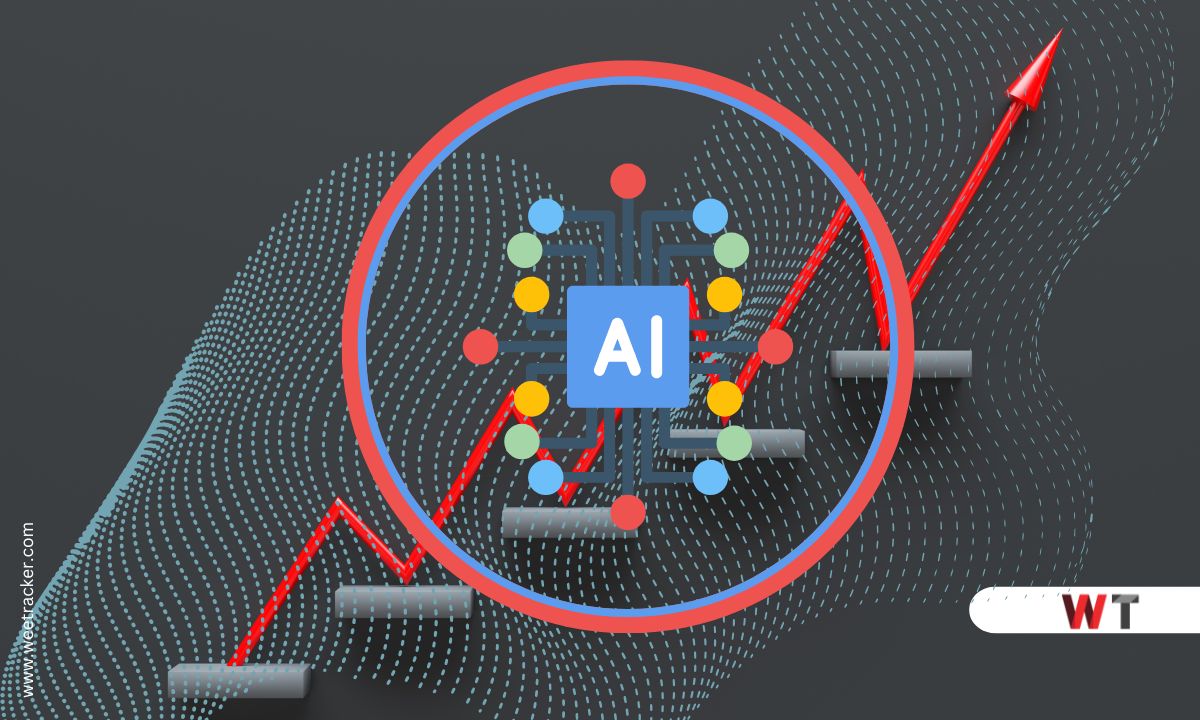
Nigeria is on track to pass landmark legislation establishing one of Africa’s first comprehensive regulatory frameworks for artificial intelligence. The National Digital Economy and E-Governance Bill, expected to be enacted by March, aims to balance innovation with ethical safeguards in one of the continent’s most dynamic digital markets.
The bill empowers the National Information Technology Development Agency (NITDA) to act as a “super-regulator,” classifying AI systems by risk, mandating transparency, and requiring annual impact assessments for high-stakes applications in finance, public administration, and surveillance. Non-compliance could lead to fines of up to NGN 10 M (~USD 7 K) or 2% of an AI provider’s annual Nigerian revenue.
This push for governance reflects Nigeria’s broader ambition to transition from rapid digital adoption to sustainable, value-driven growth. The digital economy is projected to generate USD 18.3 B in revenue by 2026, with the AI market alone forecast to hit USD 434.4 M.
However, the regulatory sprint unfolds against a backdrop of significant readiness challenges, creating a complex landscape of competing priorities. Nigeria’s pioneering push to regulate artificial intelligence confronts significant implementation hurdles, including the challenge of avoiding legislative redundancy and ensuring coherent enforcement across government agencies.
These governance efforts are set against a backdrop of low domestic AI adoption, estimated at just 8.7%, which reflects deeper structural barriers. The country’s AI readiness ranks 72nd globally, with adoption concentrated in large firms due to high costs and persistent infrastructure gaps that limit broader access and innovation.



 Free Reads
Netflix Continues African Affair By Setting Up Shop In Nigeria Where It Will Invest In More Originals

 Fintech
African Banks Faithfully Polish Their Mobile Apps But That Doesn’t Spell A Vendetta Against The Fintech Frenzy
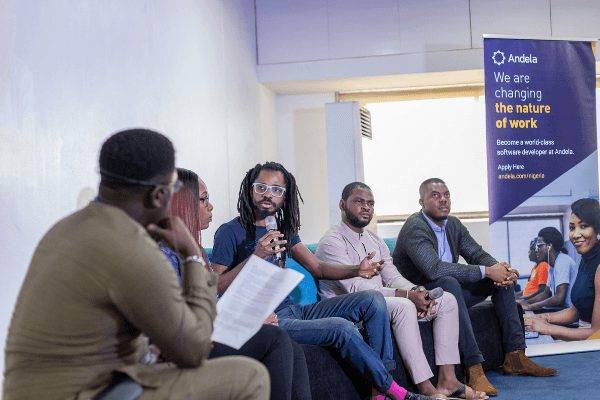

Authorities acknowledge that regulation alone is insufficient. “You cannot be ahead of innovation,” said Kashifu Abdullahi, Director General of NITDA. “Regulation is not just about giving commands. It’s about influencing market… so people can build AI for good.”
Simultaneously, a massive upskilling effort is underway. In collaboration with Microsoft, over 350,000 Nigerians have been reached with AI skills training, part of a push to prepare for an estimated USD 1.5 T AI-driven opportunity for Africa by 2030. This focus on demand-side readiness is critical; as stakeholders warn, without leaders who understand AI, adoption will stall.
The proposed law also includes provisions for regulatory “sandboxes”—controlled environments where startups can test technologies under supervision—signalling an intent to foster, not stifle, innovation.
For global tech firms from Google to Chinese cloud providers, operating in Africa’s most populous nation is about to change. Nigeria’s bet is that by setting clear rules and building skills today, it can harness AI’s potential to drive inclusive growth, rather than be disrupted by it.