Nigeria’s Unstoppable Digital Payments Boom Meets Immovable Object: Cash
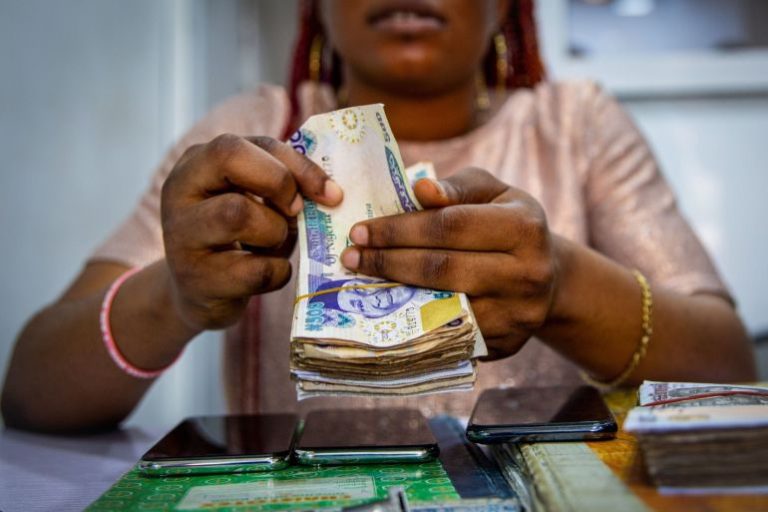
While Nigeria’s payment landscape touts a digital revolution, the country’s economy is telling a different story: a 300% surge in electronic transactions since 2020 has not dethroned cash, which remains the undisputed king for millions.
New data from Nigeria’s banking sector compiled by professional services firm, Proshare, reveals a paradox. Despite electronic payment volumes growing 276% over five years, a staggering 95% of the country’s NGN 5.73 T (over USD 4 B) in physical cash circulates entirely outside the banking system. This parallel growth of digital and cash economies points to deep-seated structural issues that no app can easily fix.
“The future of currency is not either digital or physical; it is both,” said Central Bank of Nigeria (CBN) Governor Olayemi Cardoso at a recent banking conference, acknowledging the need for a balanced system. “Cash remains king. It is critical that this is maintained”.
Analysis from Proshare points to a triad of trust, infrastructure, and economic reality. For many Nigerians, cash is not a choice but a rational necessity. Unreliable bank networks, sudden transaction failures, and the traumatic memory of the 2023 cash shortage crisis have eroded confidence in digital systems. Cash provides certainty when technology does not.
Furthermore, physical infrastructure is sparse. With roughly one bank branch for every 18,000 people, accessing digital services is a challenge. Frequent power outages affect electronic payments, while cash never needs a battery or an internet connection.

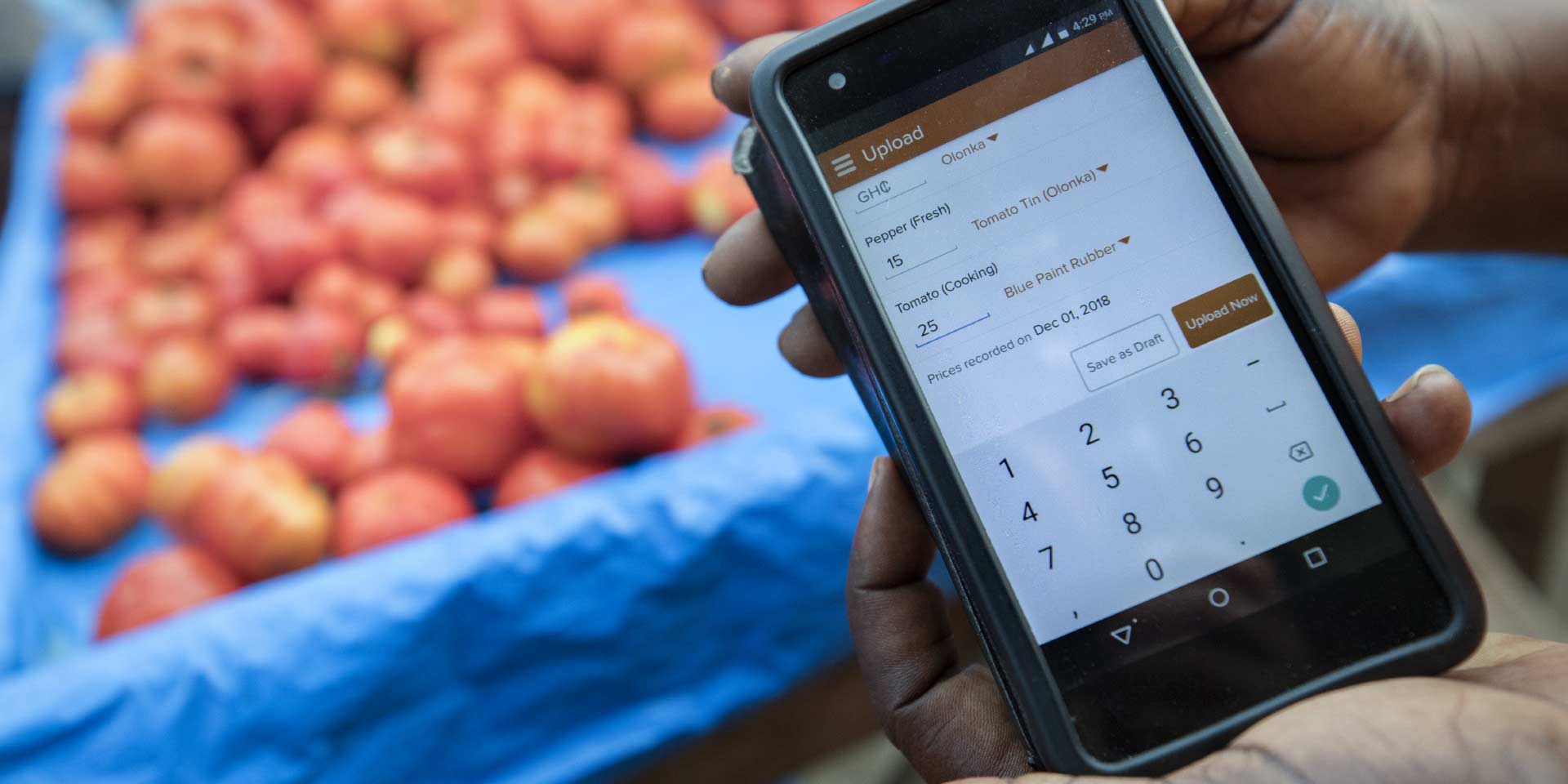





The bedrock of the issue is Nigeria’s vast informal economy, estimated to account for 60-65% of all activity. For small traders and artisans, digital payments create a taxable paper trail and incur transaction fees that eat into slim margins. Cash is immediate, final, and free.
This cash dominance creates a significant challenge for economic management. With most currency outside banks, the CBN’s primary tools for controlling inflation and stimulating growth, like adjusting interest rates, lose their potency.
In response, authorities are shifting strategy from trying to eliminate cash to managing its coexistence with digital finance. The CBN is reviewing policies to ensure better ATM availability and sees digital channels as a way to “decentralise and stabilise cash distribution,” the research finds.
The emerging consensus is that Nigeria’s financial future is “phygital”—a hybrid model blending physical and digital. Proshare’s report asserts that bank branches are being reimagined not as mere cash counters, but as trust centres where customers can resolve issues face-to-face, building the confidence needed for digital adoption.
Featured Image Credits: Adetona Omokanye/Bloomberg