Africa Drove Mobile Money To USD 2 T—Now Most Accounts Sit Idle
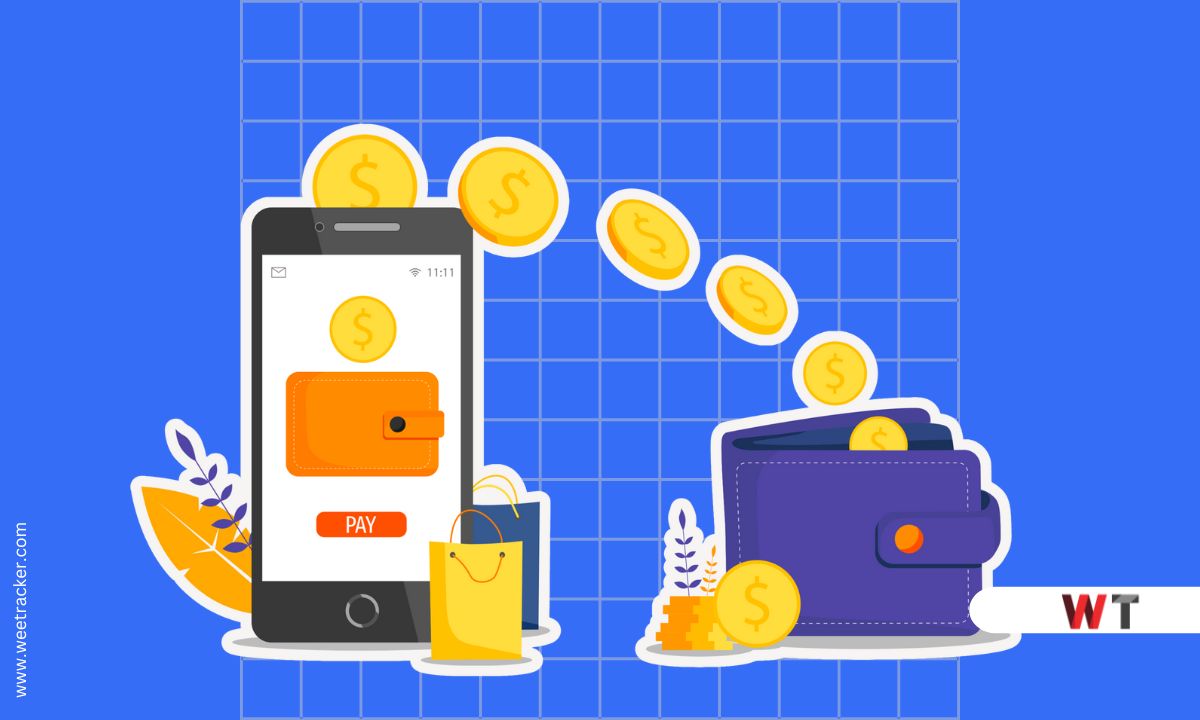
The mobile money industry crossed USD 2 T in transactions in 2025, yet more than 1.7 billion registered accounts sat idle. The real story from Africa’s digital finance revolution, it turns out, is less about growth and more about who actually uses it.
Behind the headline numbers of the GSMA’s 2026 State of the Industry Report lies a paradox that should trouble policymakers from Lagos to Nairobi. Registered mobile money accounts surged by a record 268 million to 2.3 billion globally. But the proportion of accounts active on a monthly basis remains stuck at just 25.7 percent, barely budging from previous years. More than seven out of ten registered accounts are essentially dormant.
Sub-Saharan Africa accounts for the bulk of this growth and hosts the world’s highest mobile money usage rates. Yet the continent is also home to the deepest inactivity. In Nigeria alone, where nearly half of women now have mobile money accounts after a 21 percentage point increase in ownership, usage lags.
The report shows that even in markets where women and men own accounts at similar rates, women are consistently less likely to actually use them. In Uganda, 29 percent of male account owners received a mobile-enabled loan in the past month compared to just 16 percent of women. Across seven of ten countries surveyed, the gender gap in ownership persists, with Pakistan showing the widest at 63 percent.
Fraud is another major deterrent. Researchers estimate cybercriminals siphon USD 4 B annually from Africa’s economy. The GSMA survey found identity fraud affected 90 percent of mobile money providers, while social engineering schemes hit 88 percent. In Kenya, where 70 percent of citizens use digital currency, losses to online theft reached an estimated USD 883 M in 2023.
 Free Reads
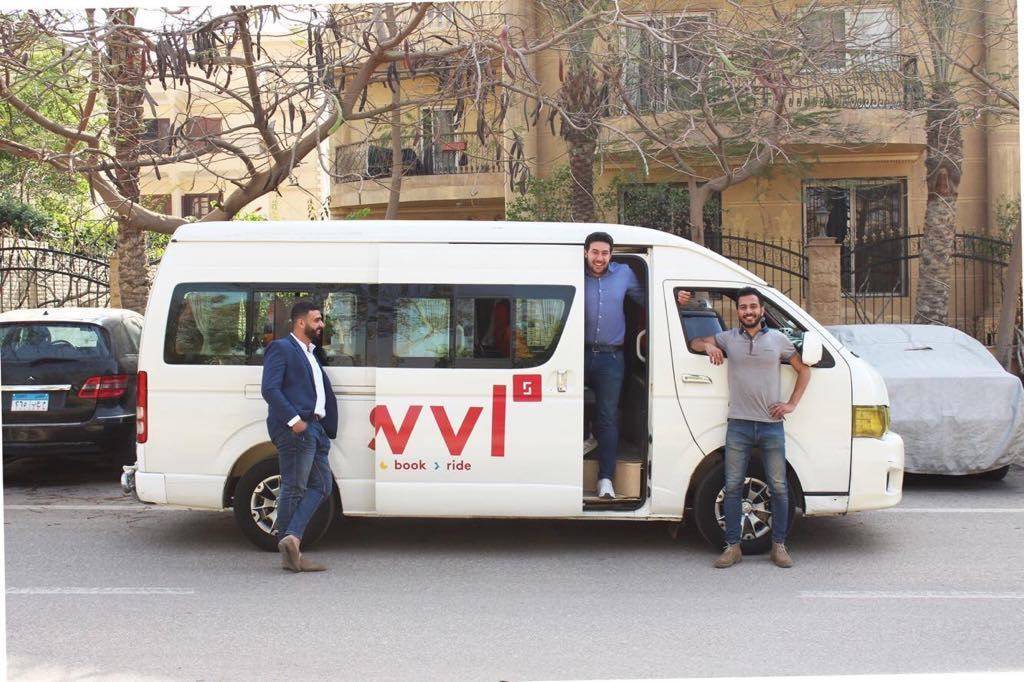
Cairo-based Transport-tech Pioneer Swvl Raises USD 42 Mn – Largest Funding Round In Egypt’s Startup Ecosystem
 Free Reads
From Chocolate Bars To Chocolate Briquettes: How A ‘Sweet Tooth’ Led To Some Serious ‘Energy Business’
 Free Reads
With GoKada Down, Its High-Flying Competitor Strengthens Grip On The Market With New Bus-Hailing Platform




Regulators are paying attention but not always in ways that help. Transaction taxes introduced in markets like Cameroon, Mali, and Senegal are pushing users back to cash. Ghana’s experience with its e-levy had a similar impact in that after three years of reduced usage and disappointing revenue collection, the government abolished the tax in April 2025.
The policy direction that matters most is interoperability. The value of bank-to-mobile transfers rose 37 percent in 2025 to USD 167 B, and mobile-to-bank transfers grew 35 percent to USD 163 B. This shift reduces reliance on cash and agents. But cross-border integration remains fragmented. Sub-Saharan Africa is still the most expensive region for mobile money-enabled remittances at 8.78 percent, well above the 3 percent UN target.
The numbers confirm that mobile money has become indispensable infrastructure across Africa. But access alone does not equal financial inclusion. With 1.7 billion accounts sitting unused, the real work has only begun.