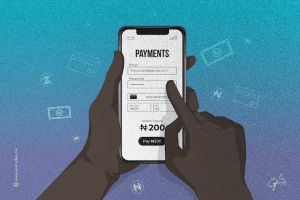
Nigeria’s Famous Fintech Duo Extend Rivalry In Belated Consumer Play
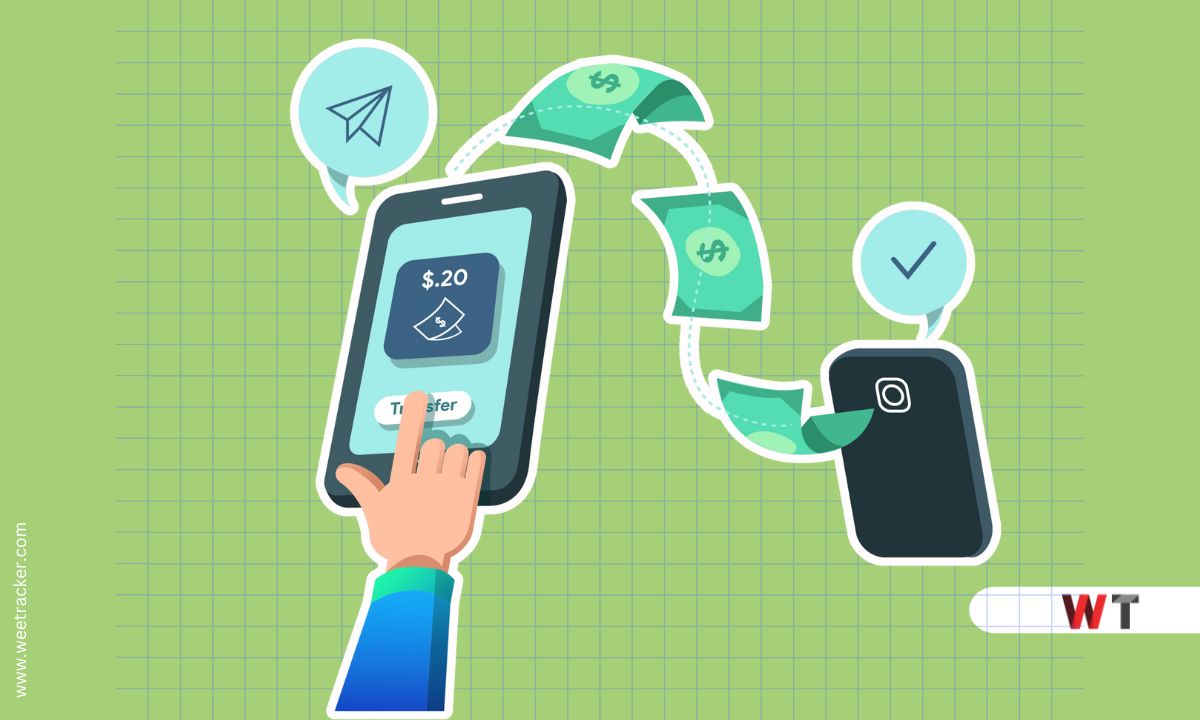
After a decade of powering business payments across Africa, Nigeria’s famous rival fintech duo is finally making their play for the average person on the street. But getting there has meant burying a string of failed consumer experiments first.
For years, Flutterwave and Paystack built their reputations on the merchant side of the economy. Flutterwave processes payments for Uber, Netflix and Microsoft. Paystack powers checkout for thousands of Nigerian online stores. Both companies have thrived without ever needing a consumer to download their app.
That is changing fast. In the span of just four months, the two fintech pioneers have each acquired a microfinance banking license in Nigeria, a move that positions them to finally compete for the accounts and wallets of ordinary Nigerians.
Flutterwave announced its license last week, a defining step after a decade of building payment rails across the continent. Chief executive Olugbenga Agboola described it as a shift “from enabling transactions to managing them end to end.”
The company will now use its remittance product SendApp, already used by over one million people, as the entry point for a full consumer banking experience, including personal account numbers and instant transfers.





Paystack moved first in January when the Stripe-owned company quietly acquired Ladder Microfinance Bank, rebranding it as Paystack Microfinance Bank, and unveiled a new corporate structure soon after. The acquisition followed the launch of Zap, its first consumer-facing payments app, in March 2025.
The Zap rollout was, however, far from smooth as the Central Bank of Nigeria (CBN) fined Paystack NGN 250 M (about UD 190 K) in April 2025 for allegedly operating Zap as a wallet in violation of its regulatory license. The fine was a warning that consumer finance comes with a different set of rules.
***
In early 2026, the CBN upgraded several fintechs, including Moniepoint, OPay and PalmPay, to national banking licenses, cementing their dominance in the consumer space. OPay reportedly serves an estimated 40 to 50 million registered customers in Nigeria, while PalmPay has around 35 million users. Flutterwave and Paystack, for all their merchant power, have been late to this party.
That lateness is rooted in a history of failed consumer bets, as Emeka Ajene, Founder & CEO of Afridigest, pointed out in a recent analysis.
Flutterwave shut down three consumer-facing products between 2024 and 2025. Barter, its virtual card app launched with Visa in 2017, ceased operations in March 2024. Disha, a no-code platform for creators that it acquired in 2021, was paused indefinitely on March 31, 2024. Afritickets, an event ticketing service, also faded. The company laid off about 30 employees, roughly 3% of its workforce, as it retreated from these experiments.
“The decision to sunset Barter stems from evolving customer needs and market trends,” Flutterwave said at the time, noting the product represented only 1% of its business.
What remains is SendApp, a thriving remittance product launched in 2023 for Africans abroad sending money home. That single survivor is now the foundation for Flutterwave’s entire consumer banking strategy.
Paystack’s path has been more deliberate but not without its own learning curve. The company spent ten years purely on business payments before launching Zap. The microfinance bank license now gives it a regulated foundation to offer deposit-taking and lending; services that Zap alone could not legally provide.
The wider context is a regulatory environment that increasingly forces fintechs to choose. The CBN has made it clear that payments-only licenses are no longer enough for companies that want to hold customer funds. The national license upgrades for Moniepoint and OPay set a new baseline. Flutterwave and Paystack, having secured their own microfinance licenses, are now racing to catch up.
The effect is that SendApp will soon function as a full digital bank account, and Zap will offer fast local transfers with Apple Pay support. Both companies will be able to lend money and offer savings products directly, cutting out the partner banks they previously relied on.
The two fintechs that unlocked business payments for a continent are now belatedly turning their attention to the consumer. It appears that after years of watching from the sidelines, both fintech champions have decided that the real prize is not just moving money for businesses but holding it for everyone else.