Kenya’s New Pay & Mental Health Rules For AI Data Workers Rip Outsourcing Playbook
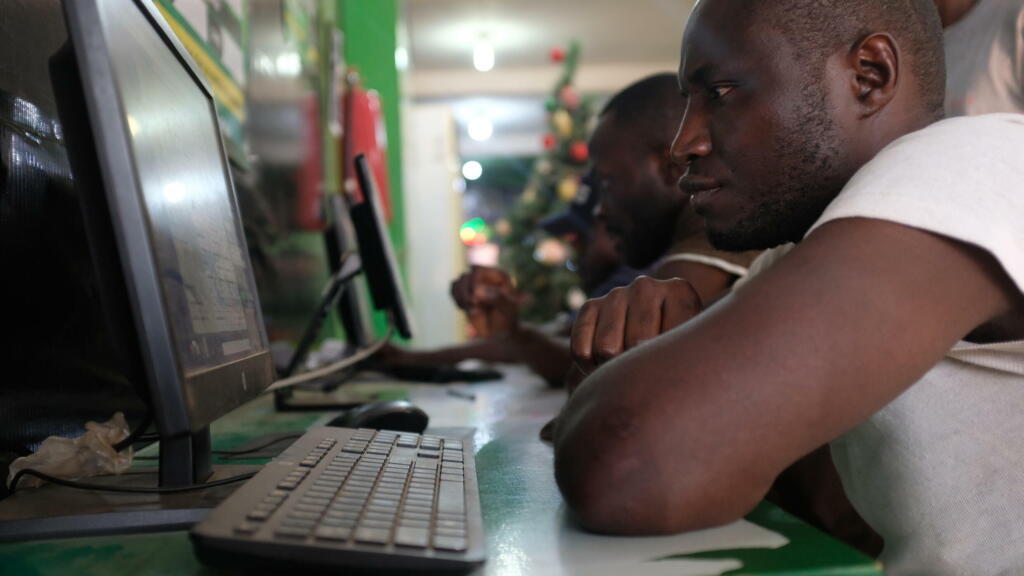
Kenya is preparing to mandate minimum pay and mental healthcare for workers training artificial intelligence systems, a move that could upend the economics of a global outsourcing industry that has long relied on low-cost labour in the country.
The proposed policy, outlined in a draft document from the ICT Ministry, would require AI companies and outsourcing firms to comply with locally set duty-of-care standards, including safeguards against harmful content, access to mental health support and transparent contracting practices. The government will publish occupational protection guidelines covering minimum standards for written contracts, psychosocial support, grievance mechanisms and working conditions.
The policy follows years of complaints from Kenyan workers employed by outsourcing firms serving global technology companies such as OpenAI and Meta. Content moderators and data annotators review and remove harmful material from online platforms and label images, text and audio to train AI models like ChatGPT. Workers say they are exposed to graphic violence, self-harm, child abuse and rape, while receiving little or inadequate psychological support.
Some content moderators were paid between USD 1.46 and USD 3.74 an hour. In the United States, moderators earn an average of USD 21.00 to USD 27.00 per hour. Investigations have revealed that many workers earn barely above the statutory Kenyan hourly minimum wage of about USD 1.00, with some earning as little as USD 1.50 per hour. Kenya’s minimum wage in major urban areas is approximately KES 1 K per month, roughly USD 125.00.
The proposed policy says a fair-pay-reference framework will set transparent pay benchmarks for data annotation, content moderation and AI quality evaluation roles, calibrated against international rates for equivalent work. Companies employing Kenyan AI workers would be required to disclose their pay structures against those benchmarks through a compliance reporting mechanism.
In the last five years, Kenya has emerged as a global hub for AI data annotation and content moderation because of its large English-speaking workforce. Technology companies increasingly outsource the work to specialist contractors in countries such as Kenya to reduce labour costs while creating legal distance from the employment relationship. By outsourcing these services, tech giants significantly slash expenses by paying significantly lower wages compared to hiring domestic workforces in the United States or Europe.
The regulatory intervention comes as Kenya’s AI Bill, 2026, advances through parliament. The bill introduces a risk-based framework and a new AI commissioner with powers to classify systems and grant approvals.
Activists have argued that the bill stops short of translating concerns into enforceable labour protections. Over 35 tech workers have filed a landmark legal challenge demanding that exposure to toxic digital content be classified as a recognised occupational hazard warranting specialised insurance and psychiatric care.
Kenya’s move signals that the era of unregulated outsourcing may be ending for the global AI industry, which has built its training infrastructure on cheap labour in the Global South.
Image Credit: RFI/Amélie Tulet