African Developers Are Snubbing Silicon Valley For China’s Cheap AI Models
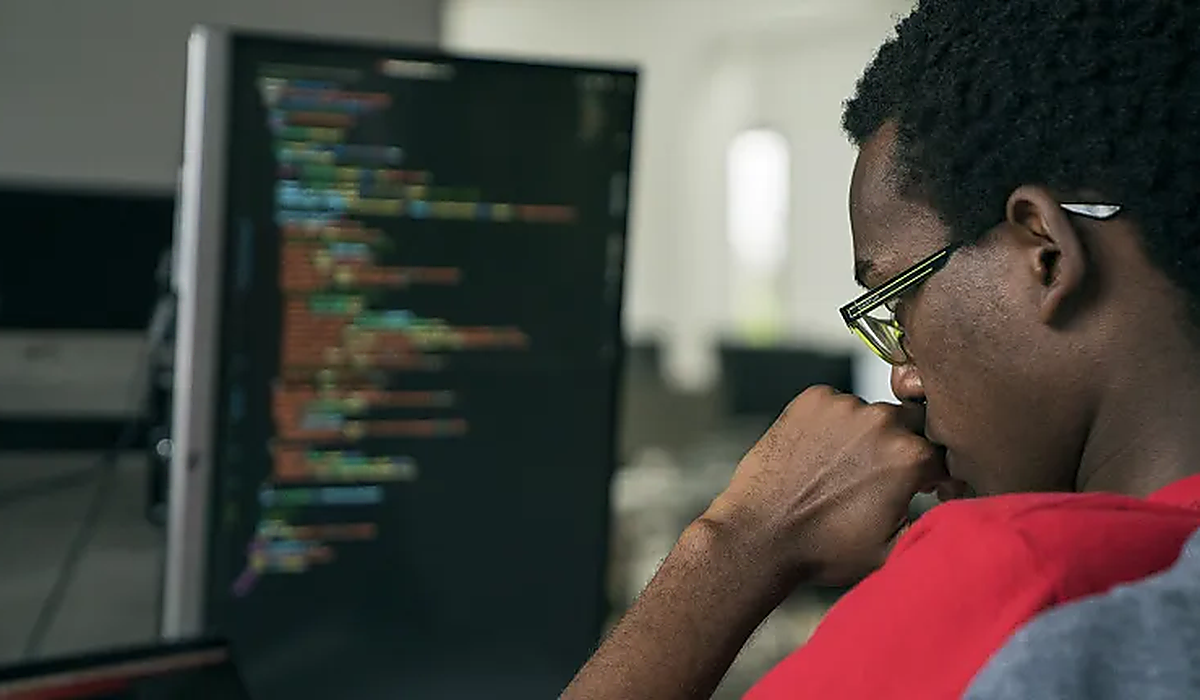
Ugandan developer Ernest Mwebaze spent much of the past year testing both U.S. and Chinese AI tools to build a system for his country’s dozens of local languages. The Chinese models won.
Mwebaze, a former Google research scientist, ultimately chose Alibaba’s Qwen. It handled Ugandan languages better than Meta’s or Google’s offerings, cost a fraction of the price, and let him fine-tune it with his own data, he told The New York Times. His system, Sunflower, is now being used by Ugandan farmers to receive weather and planting advice in their native tongues.
Mwebaze is not alone. Across Africa, thousands of developers have made the same choice over the past year. In Kenya, entrepreneurs are deploying Chinese models to optimise legal and business services. In Nigeria, developers are building teaching tools for high school students. In Ghana, locally-built chatbots are popping up.
According to The New York Times‘ recent analysis of user data from OpenRouter, a platform that aggregates 400 AI models, Chinese open-source models now account for roughly half of total usage, up from less than a quarter just a year ago. On Hugging Face, the AI community platform, 19 of the 25 most-downloaded open-source systems are now Chinese.
Developers reckon using a Chinese model is like owning your own house, whereas a U.S. model is like long-term renting. Nairobi-based entrepreneur Moses Kemibaro mentioned that when you factor in compute infrastructure and other costs, Chinese models can be up to 90% cheaper.
That cost differential is magnified in African markets. U.S. models from OpenAI and Anthropic are closed-source and fee-based. China’s DeepSeek, Qwen, Kimi, and others can be downloaded and modified for free, with no approval process. It’s a no-brainer for African developers with limited hardware resources; it offers a system that runs reliably on modest infrastructure, which to them, matters far more than being “cutting-edge.”
Chinese firms are also actively courting the continent. Developers say Chinese companies offer free compute credits and direct engineering support, treating African teams as core customers, while U.S. vendors barely have a local presence. Joining Anthropic’s developer programme requires a lengthy approval process, while joining Alibaba’s takes minutes.
The geopolitical undertones are hard to miss. Last month, seven African nations, including Kenya, Ethiopia, and South Africa, signed AI cooperation agreements with China. U.S. chip export restrictions on China have paradoxically accelerated the trend as Chinese AI firms, unable to compete head-to-head on compute power, are leveraging open-source models to expand their ecosystem and capture emerging markets.
But African developers don’t see themselves as geopolitical pawns.”I don’t think people should worry so much about who built it, ” one Kenyan developer, Michael Michie, was quoted as saying. “What matters is whether it provides the capabilities you need.”
The race is far from over. Many African developers still use U.S. models for programming and other technical tasks. But as Kenyan tech entrepreneur Bernard Momanyi Nyagaka noted, Chinese models are catching up “really, really fast.”
As it turns out, while Silicon Valley debates whose technology is superior, developers in Africa have already voted with their feet.