Africa’s Mobile Money Boom Enters New Phase As Savings Take Off
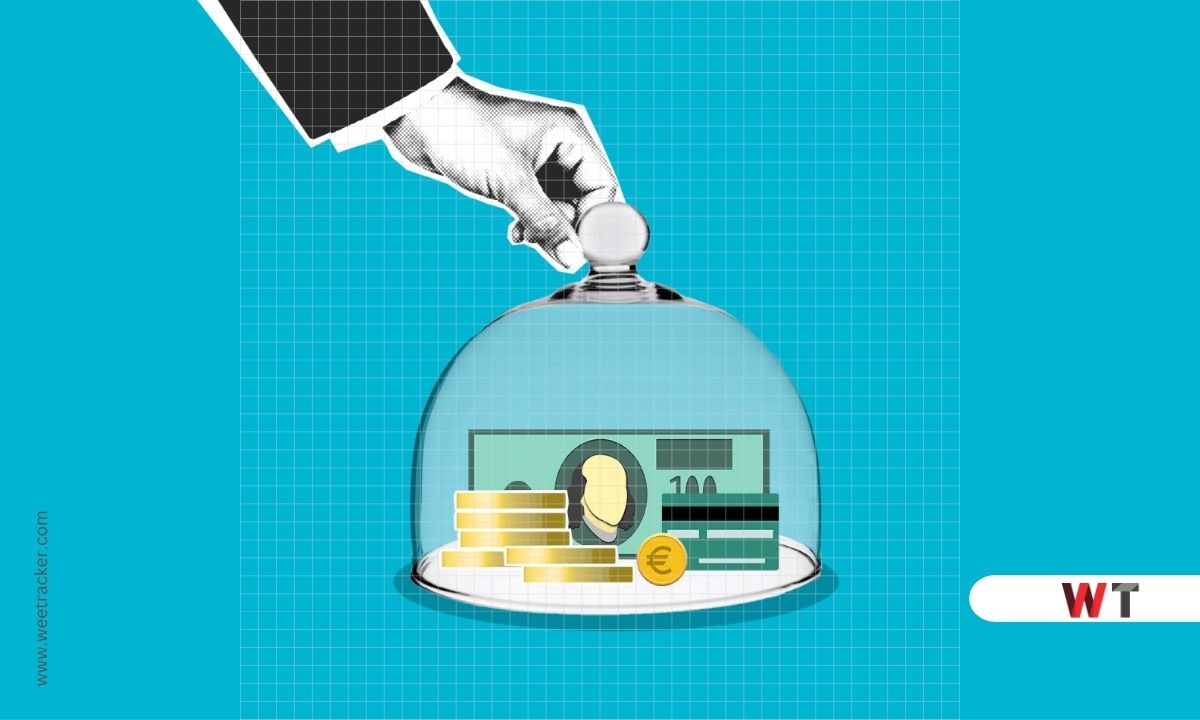
Africa’s mobile money revolution, once centred almost entirely on fast, low-cost payments, is undergoing a major shift as more users turn to digital platforms to save, not just spend.
In 2024, about 1 in 3 adults in sub-Saharan Africa were saving money through a bank, mobile wallet, or another formal financial service—up from about 1 in 5 just three years earlier, according to the World Bank’s latest Global Findex Database. The surge, one of the fastest globally, is being driven by the rapid spread and growing sophistication of mobile money platforms.
Mobile money usage across the region has grown in tandem. About 40% of adults now hold mobile money accounts, compared to just 27% three years ago. “Once adults have these formal accounts and become comfortable using them, digital savings follow very strongly,” said Michael Wiegand, director of inclusive financial systems at the Gates Foundation, which funded the study.
This shift marks a maturation of Africa’s fintech ecosystem. For more than a decade, mobile money helped users move money—send remittances, pay bills, receive salaries—without needing a traditional bank account. But increasingly, those same platforms are being used to store money too.
Today, Africa is home to more than 728 million registered mobile money accounts, and mobile transactions in sub-Saharan Africa alone topped USD 1 T in 2024, according to GSMA industry data. In major markets like Kenya, Nigeria, South Africa, and Egypt, platforms such as M-PESA, PayShap, and InstaPay are now part of everyday life, enabling everything from buying groceries to paying school fees.
But with features like microsavings, automated deposits, and interest-bearing mobile wallets, users are now beginning to treat mobile money not just as a payment tool, but as a way to build financial resilience.
Saving even small amounts has become simpler and more habitual, observers note, as people who once kept cash under mattresses are now saving securely via phones.
This evolution has broader implications for African economies. Higher household savings can support local capital formation and reduce dependence on foreign debt. Recent reports note that African governments face a USD 400 B annual financing gap, much of it due to shallow domestic savings and underdeveloped capital markets.
The trend is also helping close financial access gaps for marginalised groups. In several countries, mobile money is the primary way women access formal financial services, giving them greater control over household finances and emergency funds.
Still, challenges persist. Many users continue to rely on informal savings groups or cash due to a lack of trust or product awareness. Regulatory frameworks and consumer protections have not always kept pace with the speed of innovation.
Even so, the direction of travel is clear. With microsavings, mobile lending, and even insurance products now integrated into platforms, mobile money is fast becoming a full-fledged financial ecosystem; one that regulators and governments hope will not only deepen inclusion but fuel long-term economic growth.