The 10 Highest-Funded African Startups That Failed
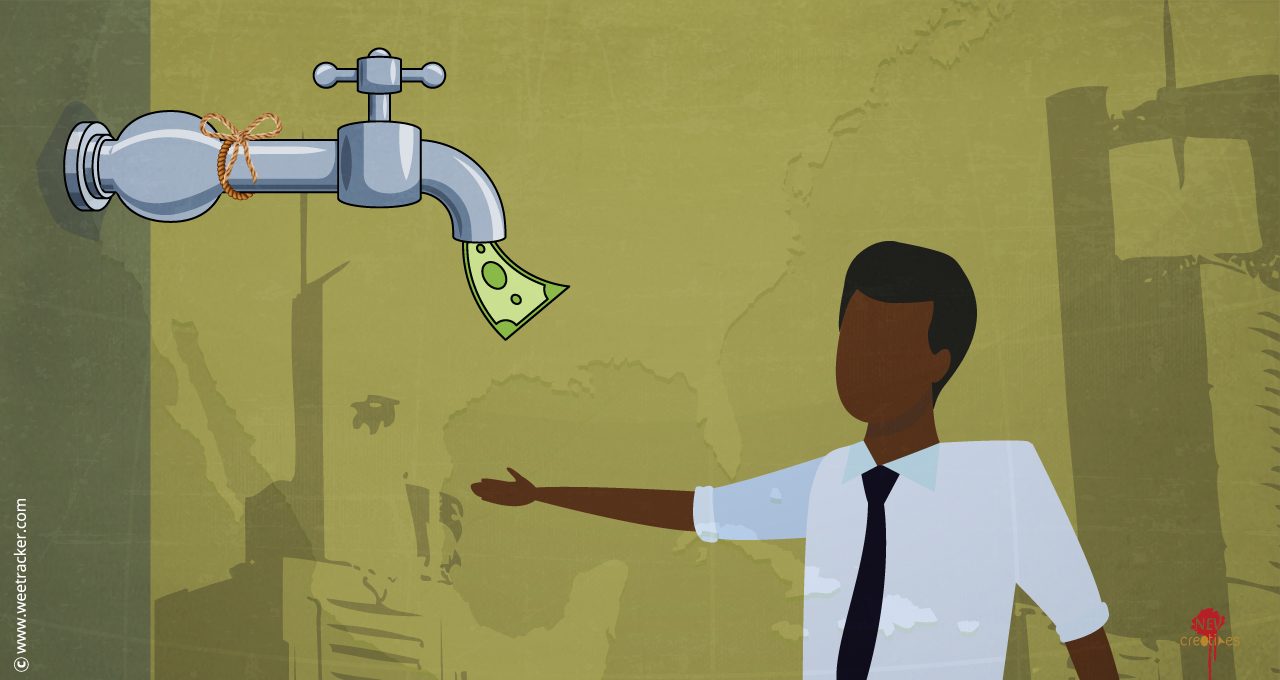
For years, Africa’s startup scene was defined by a gold rush of venture dollars. Between biotech breakthroughs and fintech super-apps to last-mile logistics, founders pitched bold visions and investors lined up to back them.
But as capital tightened and business realities bit, some of the most heavily backed companies folded. Here’s a rundown of 10 startups, with capital of over USD 200 M between them, that once raised millions — in some cases tens of millions — only to shutter, wind down, or sell off their assets.
54gene (Nigeria)
Once hailed as Africa’s answer to genetic research disparities, 54gene raised ~USD 45 M with ambitions to build the world’s largest African genomic database. The health tech startup launched in 2019 aimed to address the critical underrepresentation of African populations in global genetic databases while pioneering advanced medical research on the continent.
Despite significant backing from international investors, the company faced operational challenges and leadership turnover, culminating in a dramatic downscaling before its eventual closure, representing one of the most significant capital losses in Africa’s health tech landscape.
Dash (Ghana)
The payments platform Dash had secured substantial investor confidence, raising a total of USD 86 M across multiple rounds . This included a USD 20 M debt round from TriplePoint Capital in October 2023 and a USD 32.8 M seed round backed by Insight Partners and Global Founders Capital in March 2022.
Despite this impressive funding runway, the consumer finance app ultimately fell apart after reports surfaced that user numbers were grossly inflated, internal governance was weak, and the company was burning cash at an unsustainable rate. CEO Prince Boakye Boampong had allegedly inflated transaction volumes by 400%, fabricated 95% of its user base, and diverted USD 25 M+ in investor funds. Meanwhile, the Bank of Ghana suspended its license after discovering it operated without basic approvals.
Float (Ghana)
Float pioneered the financial operations platform category in Africa, raising USD 17 M million to help businesses manage corporate cards and expenses. The startup positioned itself as an essential tool for Africa’s growing digital economy, offering sophisticated financial infrastructure previously unavailable to many businesses on the continent. Despite its promising premise, Float floundered.
In 2023, it abruptly shut down. CEO Jesse Ghansah allegedly orchestrated a complex scheme that involved forged SWIFT receipts, phantom treasury investments, and misappropriated client funds. When withdrawals froze in mid-2023, insiders claim Ghansah had siphoned millions, leaving startups unable to pay employees. Criminal complaints were filed with Interpol.
Copia (Kenya)
The Kenyan e-commerce platform targeting low-income consumers had raised USD 103 M in disclosed funding across seven rounds with a model designed to serve underserved communities through a network of agents. Copia’s innovative approach promised to solve last-mile delivery challenges that have long hindered e-commerce growth in rural and peri-urban Africa.
However, the logistical complexities of its operating model and the thin margins in serving low-income populations ultimately proved insurmountable, despite the significant backing from impact-focused investors and international venture capital firms.
MarketForce (Kenya)
Having raised ~USD 42 M million for its merchant platform connecting retailers with consumer brands, MarketForce represented the promise of digitising Africa’s extensive informal retail sector. The platform aimed to revolutionise supply chains for thousands of small merchants who form the backbone of African economies.
The startup struggled with implementation challenges across different markets and faced difficulties achieving scale amid stiff competition from both traditional distributors and emerging digital solutions, leading to its eventual demise despite the substantial funding.
Kippa (Nigeria)
The Nigerian fintech startup Kippa raised USD 11.6 M million for its bookkeeping and payment tools targeting small businesses across Africa. Focusing on the vast but underserved SME market, Kippa developed simple financial tools to help business owners better manage their operations and finances. Despite initial traction and product-market fit, Kippa faced monetisation challenges with small merchants and encountered intensifying competition from numerous other fintech platforms expanding into the SME space, ultimately leading to its shutdown.
Okra (Nigeria)
Okra was an early pioneer in Africa’s open finance movement, raising more than USD 16.5 M in total funding before announcing its shutdown in July 2025. The startup built APIs that allowed individuals to securely link their bank accounts to third-party applications, creating infrastructure that many thought would power the next generation of financial innovation.
Founded in 2019, Okra initially raised USD 1 M in pre-seed funding from TLcom Capital, followed by a USD 3.5 M seed round led by Susa Ventures . Despite its technical innovation and early-mover advantage, Okra ultimately fell victim to slower-than-expected market adoption of open banking in Africa and the significant regulatory hurdles facing financial infrastructure startups across multiple jurisdictions.
Sendy (Kenya)
The Kenyan logistics platform Sendy had raised around USD 27 M in disclosed funding to connect retailers with delivery services across East Africa. Sendy aimed to solve critical supply chain challenges through technology-enabled logistics and fulfillment services.
Despite the clear market need for improved logistics infrastructure, Sendy faced fuel price volatility, complex infrastructure challenges, and funding shortfalls that ultimately forced its closure after failed acquisition talks and inability to secure additional financing in a tightening market.
Edukoya (Nigeria)
The Nigerian edtech startup Edukoya closed its doors in February 2025, just three years after raising Africa’s largest pre-seed round of USD 3.5 M in 2021. The company positioned itself at the intersection of education technology and the continent’s youth demographic boom, offering digital learning solutions for students.
Edukoya’s founders pointed to limited market readiness, poor connectivity, and restricted access to devices as major hurdles. Additionally, weak disposable incomes and broader macroeconomic headwinds hindered mass-market adoption. The company concluded it was ultimately ahead of its time and opted to shut down operations, returning capital to its investors.
WhereIsMyTransport (South Africa)
WhereIsMyTransport secured ~USD 28 M in funding to map formal and informal public transport networks in emerging markets, with a major focus on African cities. The company specialised in collecting complex transit data that was previously non-existent, aiming to bring predictability to millions of commuters.
Despite the critical nature of its data and partnerships with major tech giants, the startup faced the immense challenge of monetising its data offerings in price-sensitive markets and the high cost of continuous data collection in dynamic, informal transit systems. This ultimately led to its closure, highlighting the difficulties of building a sustainable business around urban mobility data alone.