Nigeria’s Worsening Heat Crisis Is Spawning A New Wave Of Startups
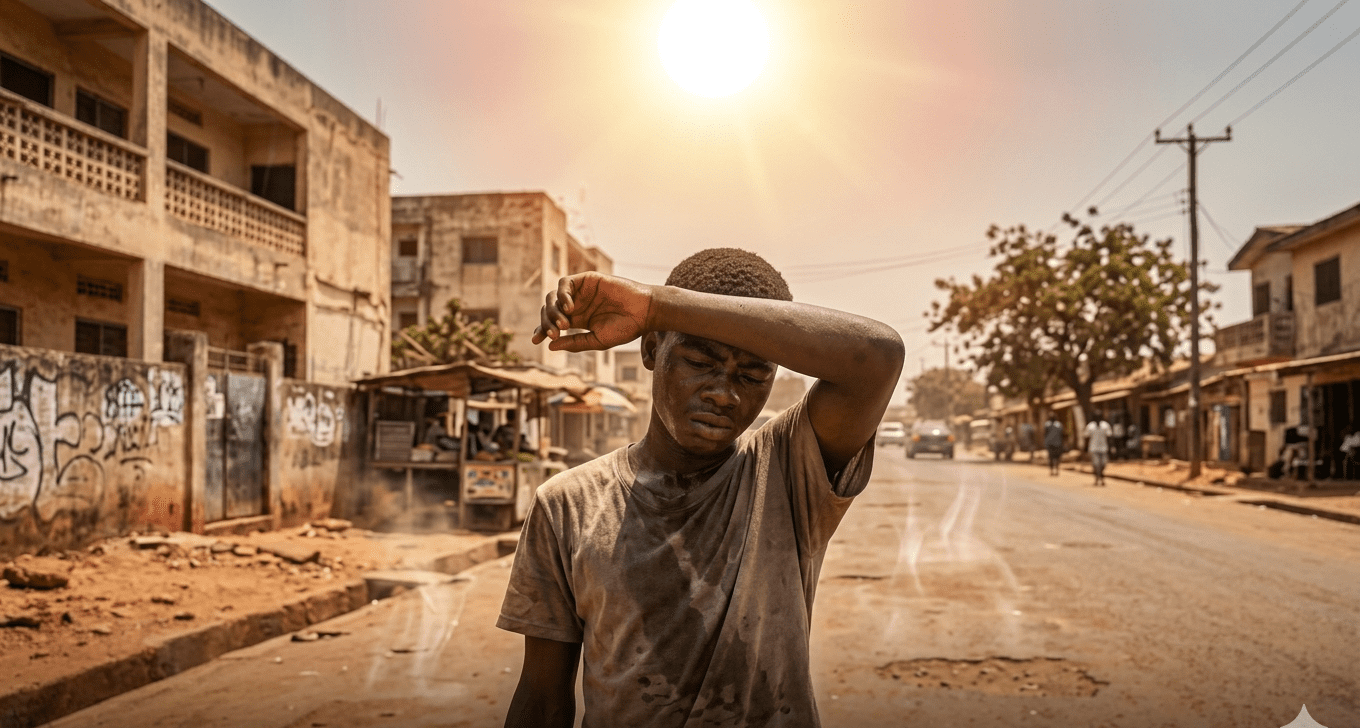
The cost of extreme heat in Africa is rising rapidly, with lost crops, broken hospital equipment, and wages evaporating under a merciless sun. But money to fix it is not flowing nearly fast enough.
Africa needs an estimated USD 70 B annually by 2030 to adapt to a hotter climate. The actual finance it received in 2023 stood at just USD 14.8 B, and that gap is widening.
Now a new coalition of donors is betting on a different approach: funding small Nigerian startups to tackle heat right where it hurts most.
Ten ventures will each receive USD 56 K in funding and hands-on support from BFA Global, FSD Africa, ClimateWorks Foundation and the UK’s Foreign, Commonwealth & Development Office under the TECA Heat Action Wave programme.
More than 60% of Nigeria’s population is regularly exposed to dangerous heatwaves, with cities like Lagos, Kano and Abuja now experiencing heat indices above 50°C during peak months. A 2025 report from the Nigerian Meteorological Agency warned that nine out of the ten years from 2016 to 2025 ranked among the 12 warmest on record.
Extreme heat “is rapidly becoming one of the biggest operational risks facing African economies,” said Tyler Ferdinand, TECA Director at BFA Global. “Our goal is not only to support these ventures but to prove that climate adaptation can become a powerful new investment frontier.”
The ventures span sectors that affect almost every Nigerian. Ofemini Global provides a heat-resilient logistics platform to help farmers transport perishable goods with heat monitoring to reduce spoilage.
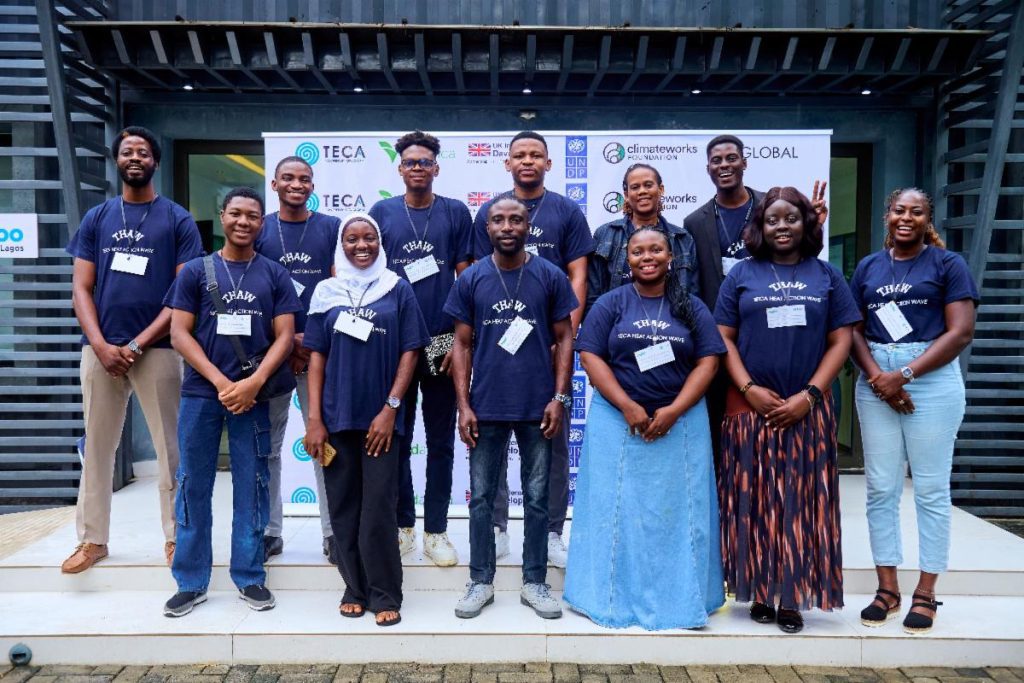
Let-It-Cold offers a solar-powered portable cooling solution for small businesses and households. TheHyWing combines heat alerts and AI diagnostics to help outdoor workers avoid heat-related health risks. Others focus on hyperlocal early warnings, livestock health, soil diagnostics and even sanitation.
Six of the ten selected ventures have a female co-founder. The companies are based in Lagos, Kaduna and Edo States.
“This is the early stage of a market,” Ferdinand said. “If we can get this right in Nigeria, it becomes a model for the rest of West Africa.”
The programme runs through 2026, culminating in demo days and investor engagement opportunities for top-performing ventures. But the bigger test goes beyond Nigeria. Across the continent, adaptation finance remains a fraction of what is needed. Africa received just USD 30 B of the USD 300 B required annually for overall climate finance. Private capital remains largely absent, contributing only a small single-digit share of adaptation financing.
“If climate adaptation finance is going to scale in Africa, it has to be grounded in real, investable solutions,” said Juliet Munro, Director of Early Stage Finance at FSD Africa.
If these Nigerian startups can demonstrate real returns in one of the world’s most heat-stressed economies, they could help write a new playbook for climate adaptation.