Morocco’s Plan To Build Africa’s First EV Battery Gigafactory Is Afoot With Major Backing
Africa is rich in the minerals the world needs to power its electric future. The Democratic Republic of Congo produces more than 70% of the world’s cobalt. Zimbabwe holds massive lithium reserves. South Africa has manganese. Yet for decades, the continent has shipped these raw materials overseas, only to import back the finished batteries at a premium. The value addition happened elsewhere, as did the jobs.
That pattern is now being disrupted. The African Development Bank has approved a EUR 100 M (USD 114 M) loan to support the construction of Africa’s first electric vehicle battery gigafactory in Morocco, marking a significant step in the continent’s long‑standing ambition to move beyond exporting raw minerals and instead capture more value through local processing and manufacturing.
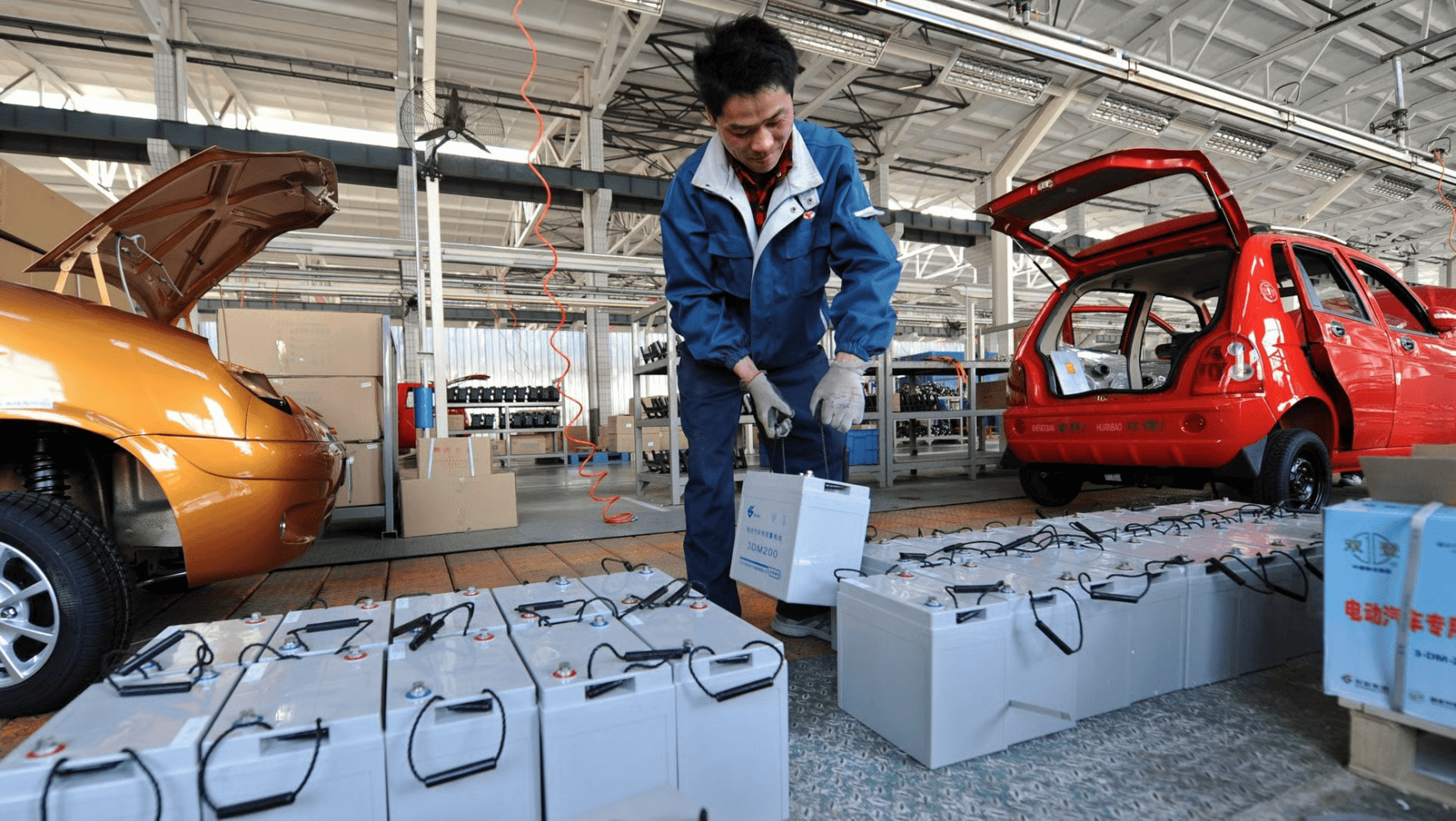
The project, led by Chinese battery manufacturer Gotion High‑Tech, will require an initial investment of about USD 1.3 B to build an integrated lithium iron phosphate battery plant in the Rabat‑Salé‑Kénitra Free Trade Zone. The first phase will produce 10 gigawatt‑hours of battery cells and packs annually for electric vehicles, with plans to expand to 100 GWh, placing it among the world’s major battery manufacturing sites.
Unlike many battery projects that only assemble battery packs, the Moroccan facility will also manufacture cathodes and anodes, the two key battery components, creating an integrated battery value chain within Africa. Much of the output is destined for export to European markets.
“Battery storage is the missing link in Africa’s clean energy transition,” Kevin Kariuki, the bank’s vice president for Power, Energy, Climate and Green Growth, said in a statement. “A facility of this scale, powered primarily by renewable energy, strengthens the foundations for the large-scale integration of solar and wind power, which our grids increasingly depend on.”
The project reflects Africa’s growing push to industrialise rather than just extract. According to the AfDB, the gigafactory is expected to create more than 600 direct jobs during its first phase while achieving a 70% local industrial integration rate, helping develop domestic suppliers and technical skills.
“This gigafactory will be a major catalyst for strengthening Morocco’s industrial competitiveness and for accelerating its emergence as Africa’s manufacturing hub for sustainable mobility industries,” said Achraf Tarsim, the bank’s country manager for Morocco.
Morocco’s existing automotive industry, proximity to Europe and free trade agreements have made it an attractive destination for Chinese EV battery makers. But the project also sits at the centre of a geopolitical contest. Europe is increasingly concerned that Chinese investment in Morocco could become a backdoor for circumventing EU tariffs on subsidised Chinese cars. Meanwhile, Morocco aims to establish a complete manufacturing supply chain capable of providing parts for half a million electric vehicles per year by the end of 2026.
The gigafactory represents a test case. The continent has long talked about industrialisation. This is the first time the pieces are actually being assembled.