Cash-Back At Supermarket Tills Surge As South Africans Ditch ATMs Over Fees
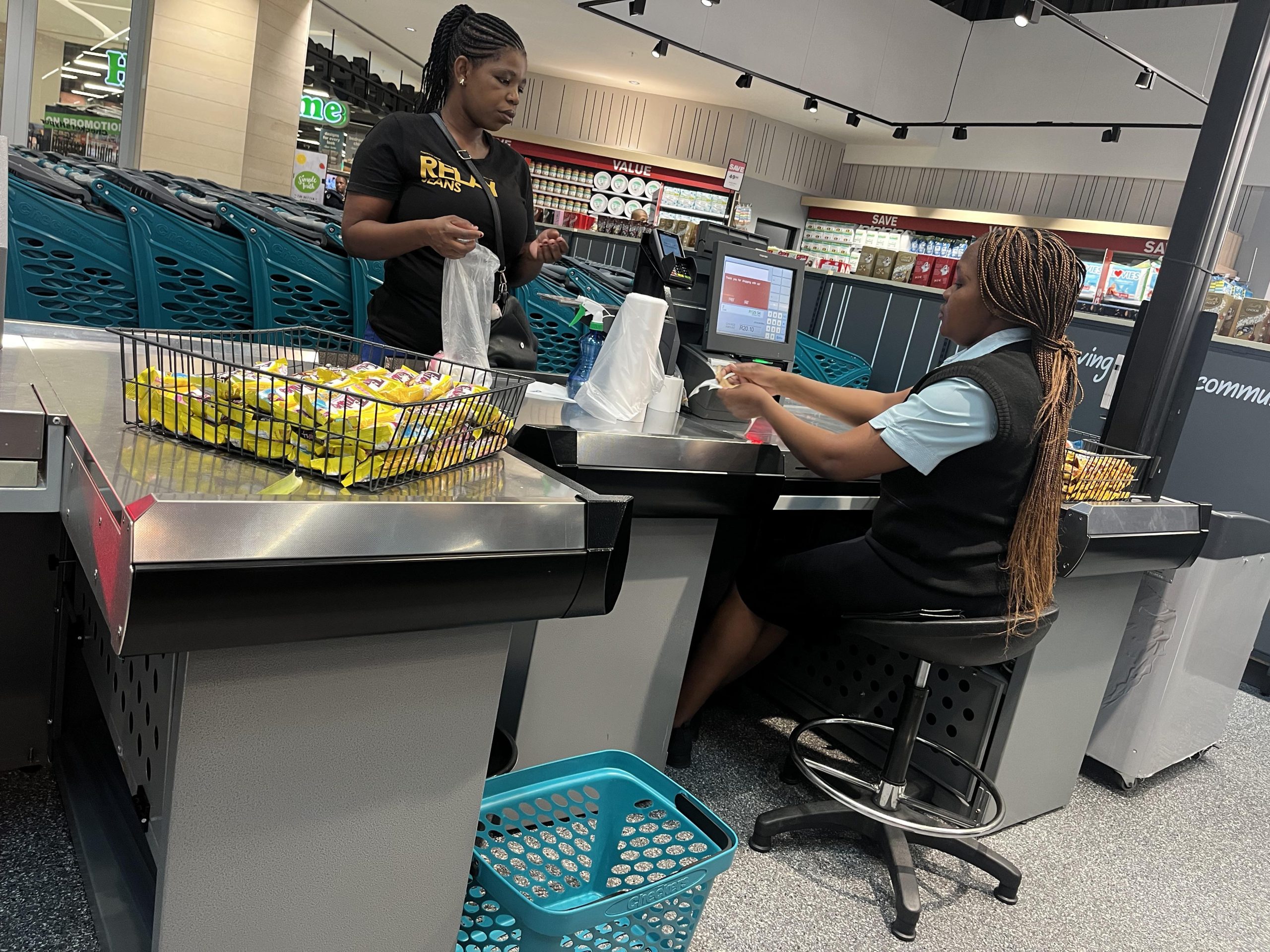
South Africans are abandoning automated teller machines (ATMs) for an unlikely alternative. They are withdrawing cash at supermarket checkouts, and the shift is forcing a rethink of how the country’s cash system works.
Data from the South African Reserve Bank’s Cost of Cash Industry Report 2026 shows retail tills now process about ZAR 326 B (USD 19.5 B) in cash-back withdrawals annually across 663 million transactions, with an average withdrawal of ZAR 492.00 (USD 25.25). The SARB describes point-of-sale cash-back as the most cost-efficient channel in the country, costing about 12 cents per ZAR 100.00 (USD 6.01) handled compared with 68 cents at ATMs and ZAR 1.53 at bank branches.
South Africans pay about ZAR 17.7 B (USD 1.06 B) a year in cash withdrawal fees, with ATM withdrawals typically costing between ZAR 10.00 (USD 0.60) and ZAR 20.00 (USD 1.20), while tillpoint withdrawals range from ZAR 1.00 (USD 0.060) to ZAR 3.00 (USD 0.18). Consumers also spend an estimated ZAR 12.5 B (USD 751.4 M) on taxi fares and fuel to travel to ATMs and bank branches, and lose another ZAR 27.8 B (USD 1.6 B) in productivity from queuing and travel. For many households, the supermarket till is simply closer and cheaper.
The country operates about 30,634 ATMs, but three of the five largest banks have reduced their ATM footprints since 2023. Nedbank’s network has shrunk by 4.4% and Absa’s by 2.3%, while Capitec has expanded aggressively. The average ATM costs about ZAR 307.59 K (USD 18.4 K) a year to operate, a burden that gets passed to consumers.
Banks are actively steering customers toward retail tills. Standard Bank says cash-back at point-of-sale has surged more than 100% since 2019, and 11% of all its cash withdrawals now happen at retail checkouts.
“Emerging channels like cashback at point-of-sale and cash deposits at retailers are gaining traction as alternatives to ATMs and branches,” said Kabelo Makeke, Standard Bank’s head of personal and private banking in South Africa.
Retail tills solve a problem ATMs cannot. ATMs dispense high-value ZAR 100.00 and ZAR 200.00 notes and cannot issue coins, which creates friction for consumers who need smaller denominations for taxi fares and informal traders. SARB field research found shoppers deliberately buy low-cost items with large notes to obtain change in smaller denominations.
The shift has broader implications. Retailers can recycle cash from sales directly to customers, reducing their own banking and cash-in-transit costs. But it also raises questions about whether the retail sector is becoming an unofficial banking infrastructure without the regulatory framework that comes with it.
The SARB’s Cash Smart Strategy, outlined in a position paper earlier this year, proposes white-label ATMs operated by a national cash utility rather than individual banks, with the aim of lowering fees and expanding access to underserved areas. Deputy Governor Rashad Cassim said the central bank is aware that many businesses operate under current regulations and that engagement on the proposals is ongoing.
Nevertheless, the supermarket till remains the most practical option for millions of South Africans.