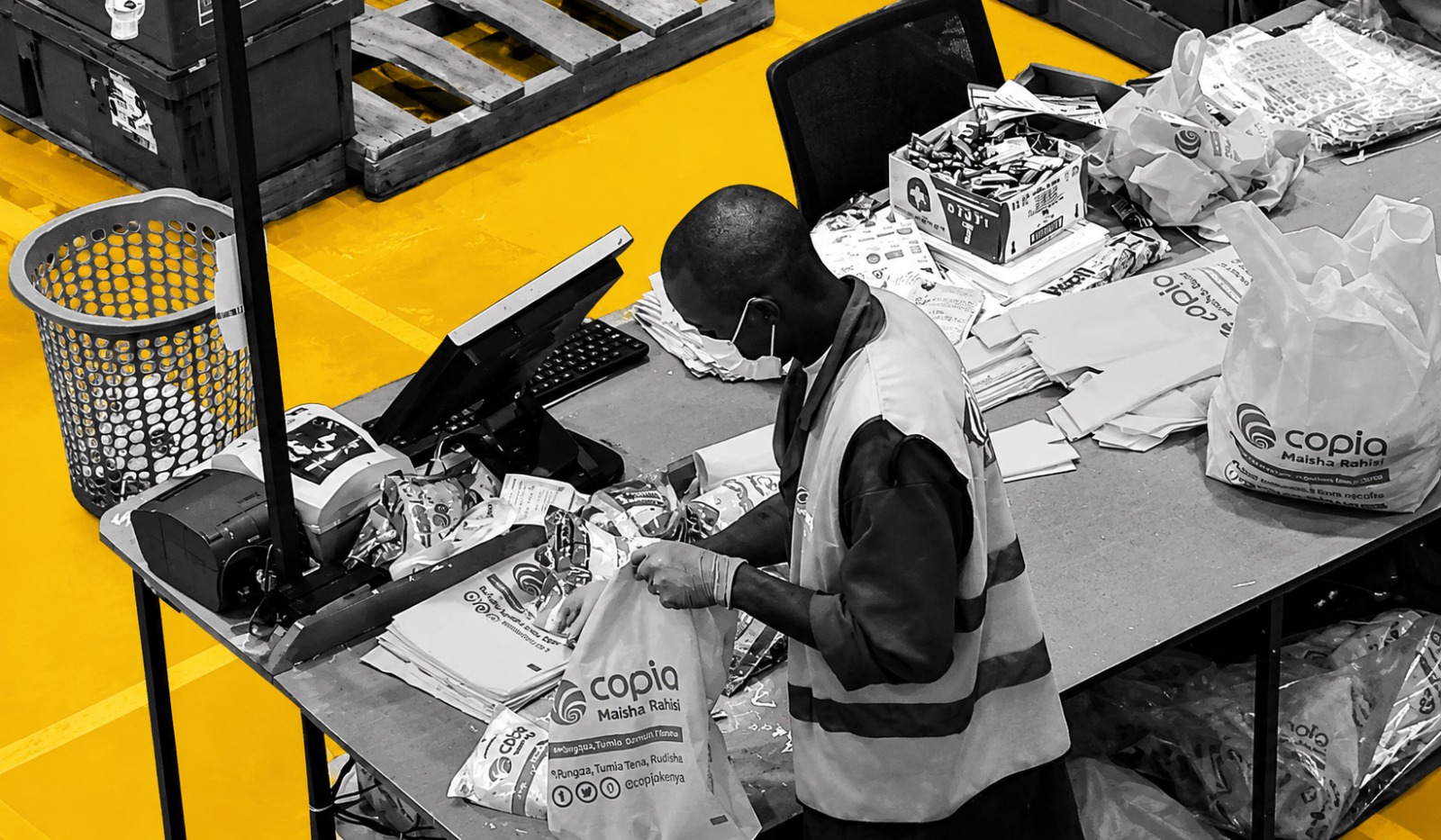
Kenya’s High Court ordered Copia Kenya into liquidation on September 17, ending a two-year administration process that failed to revive a company that raised USD 123 M to solve one of African e-commerce’s hardest problems. The startup’s realisable assets stand at just KES 206.6 M (USD 1.6 M), against liabilities that “substantially exceed that amount,” according to court filings.
The court found no realistic path for Copia to return to operating as a going concern. “I am satisfied that the Joint Administrators have demonstrated, on a balance of probabilities, that the objectives of administration have been exhausted,” Justice Rhoda Rutto wrote in the ruling. The same administrators, Julius Mumo Ngonga and Anthony Makenzi Muthusi of KPMG, have been appointed joint liquidators.
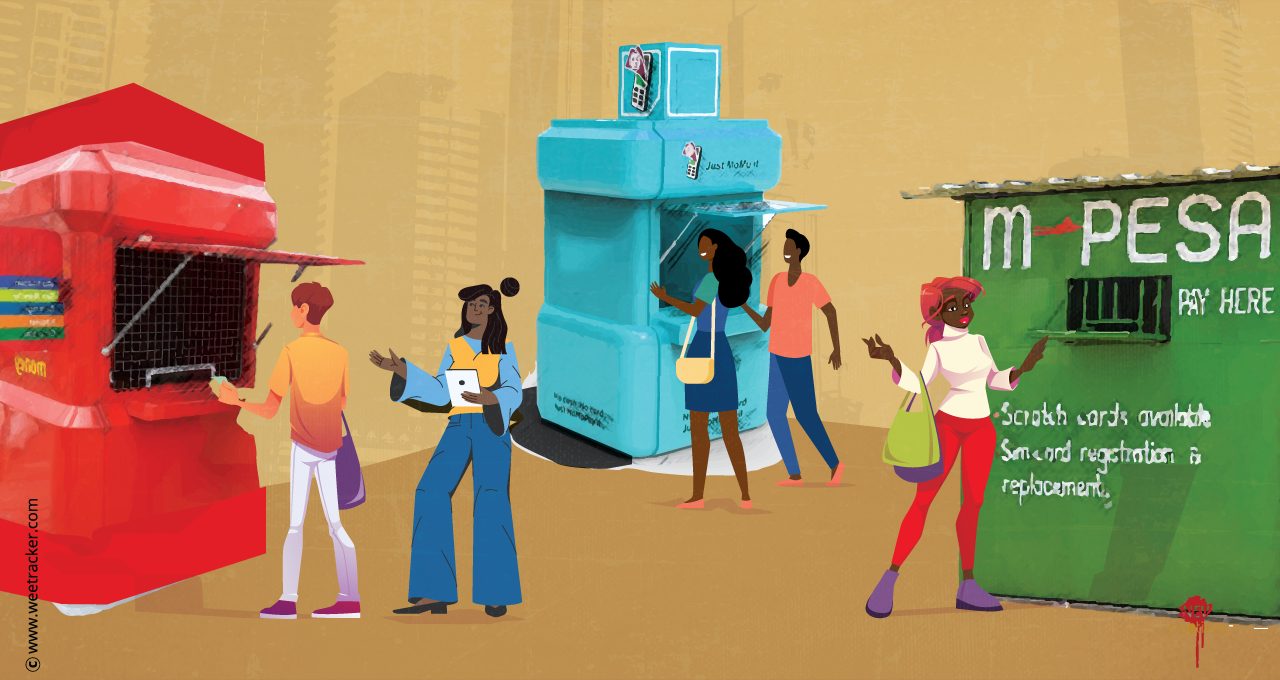
Founded in 2013 by Tracey Turner and Jonathan Lewis, Copia built a 50,000-agent network across Kenya and Uganda, using local shopkeepers as order points and collection centres for rural and peri-urban households. The model was designed for consumers with limited internet access, no formal delivery addresses, and little trust in online-only retail. Copia aggregated orders so that deliveries to a local agent could serve many households at once.
But the underlying arithmetic never worked. Rural last-mile delivery across African markets typically accounts for 35 to 55% of total shipping costs, compared to a global average of about 28%. Copia’s average order value hovered around USD 10.00, while the company carried the full weight of warehouses, depots, delivery vehicles and tens of thousands of agent commissions between manufacturers and consumers.
The startup bet that higher volumes would eventually spread those costs across more orders. That bet never paid off. Copia never turned a profit in its 12-year existence. It laid off 350 employees in July 2023, closed its Uganda business in April, and abandoned expansion plans into Nigeria, Ghana, South Africa and Mozambique before entering administration in May 2024 after its parent company failed to raise fresh capital.
More than 1,000 jobs were cut. Investors including Goodwell Investments, Lightrock, DOB Equity and the US International Development Finance Corporation are unlikely to recover anything. Copia’s failure is now part of a broader pattern in Kenya, where 13 venture-backed startups have collapsed or entered administration over the past five years, erasing at least USD 717 M in investor capital.
Kenya’s startup funding environment has tightened sharply. Startups in the country raised about USD 126 M in the first half of 2026, down from USD 227 M a year earlier, as investors pivoted away from growth-at-all-costs strategies toward profitability and sustainable unit economics.
What makes Copia’s collapse particularly striking is what happened next. Barely a month after the company entered administration, Turner and former CEO Tim Steel registered Stahili, a new e-commerce platform promising cashback, discounts and mobile data rewards.
Corporate filings show Stahili is wholly owned by Copia Holding Company, the same US-registered entity linked to Turner and the now-defunct Copia Global. The new venture is positioned as a leaner, digitally native alternative that does not build expensive last-mile delivery networks