Africa’s delivery riders are making a cold, financial calculation. With petrol prices surging in South Africa and fuel costs consuming up to 40% of a rider’s income in markets like Nigeria, the economics of the internal combustion motorcycle are collapsing. Electric two-wheelers, once dismissed as costly experiments, are now courting the continent’s delivery fleets with a proposition that is less about saving the planet than saving the margin.
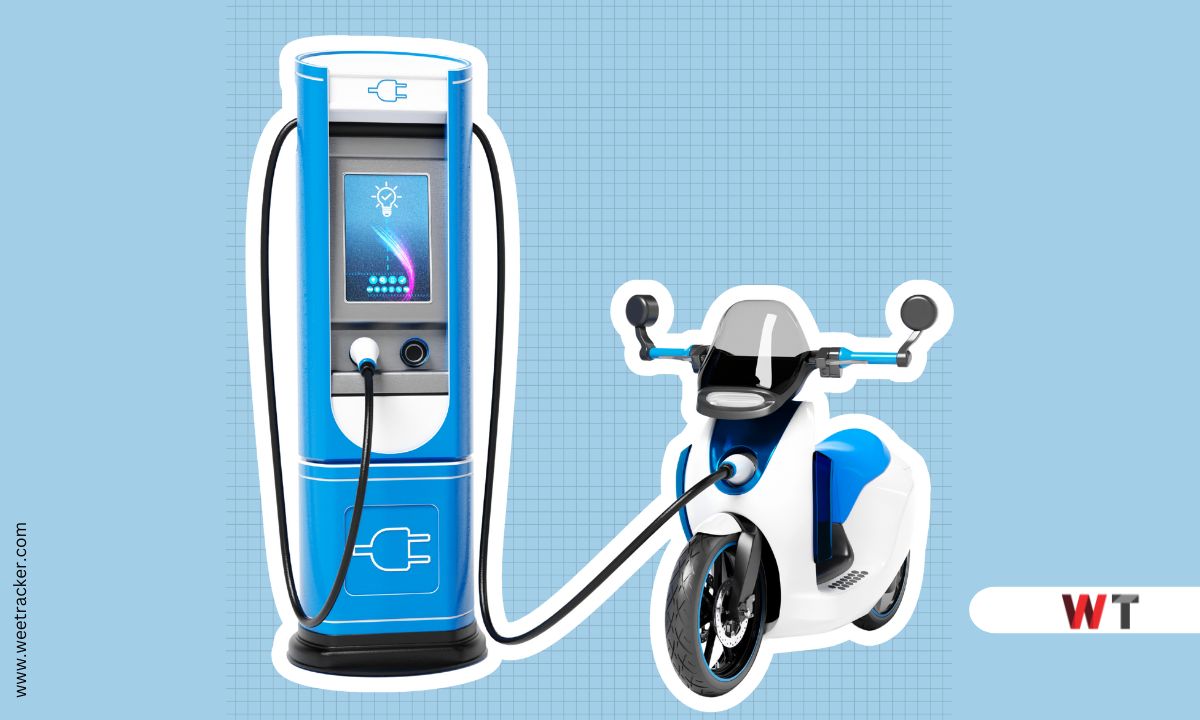
The simple pitch is that battery swapping eliminates the upfront cost of ownership and the downtime of charging. ARC Ride, a Kenyan electric motorcycle company, launched its Panther model in South Africa this month at ZAR 22.5 K with a battery-as-a-service model where a full swap costs ZAR 50.00 and delivers up to 110km of range. The company estimates that at the current inland petrol price, its electric bike costs about 30% less to run per 100km than a comparable 125cc petrol motorcycle.
Spiro, Africa’s largest battery-swapping operator, reports that its riders save an average of USD 3.00 per day on fuel and maintenance, while the company earns roughly USD 0.50 per battery swap. In Nigeria, a Spiro rider spends about NGN 125.00 to travel 100 kilometres on electric versus over 3,400 naira on petrol. The company has deployed more than 130,000 electric motorcycles across seven African countries and operates over 2,500 swap stations. “We don’t sell motorcycles; we sell kilometres,” says Spiro CEO Jules Samain.
The model is spreading through commercial partnerships rather than consumer sales. Jumia, Africa’s leading e-commerce platform, has partnered with Spiro in Uganda to electrify nearly half of its delivery fleet in Kampala.
“By introducing electric bikes into our fleet, we are demonstrating that e-commerce can be both convenient and climate-conscious,” says Steven Lamony, Jumia Uganda’s managing director. In Kenya, Roam Air electric motorcycles now power a fully electric cold-chain network with Keep It Cool, cutting fuel and maintenance costs by up to 75% compared to petrol bikes.
But the pivot is not without friction. ARC Ride had to correct launch material that claimed riders would earn “up to 20% more net earnings,” clarifying that the figure refers to a reduction in weekly operating costs, not income. Battery-swapping infrastructure remains concentrated in major cities, and the economics vary by rider. Someone covering 50 kilometres a day will save less than someone covering 150 kilometres.
The direction is evident, regardless. Afreximbank’s development arm has led a USD 75 M equity investment into Spiro, the largest-ever bet on an African electric motorcycle company. Spiro has also partnered with Chinese manufacturer Yadea to expand production and adapt vehicles to African road conditions. In South Africa, Valternative Energy has deployed over 1,000 electric delivery motorcycles and 100 swap stations in under two years, serving Uber Package and Famous Brands.
For fleet operators squeezed by fuel volatility and maintenance costs, the electric motorcycle is becoming more of a lifeline than a green mandate.